
Most discussions around autonomous agents focus on capability. What can agents perform? How quickly can they act? How much capital can they move? Much less attention is given to the more fragile question: how should multiple agents coordinate when autonomy is introduced.
Without identification layers, coordination quietly degrades.
In traditional systems, coordination relies on stable identities. Permissions, responsibilities, and authority are all tied to who is acting. When this anchor disappears, coordination becomes probabilistic rather than reliable. Messages can still be sent. Transactions can still be executed. But trust between agents becomes implicit rather than enforced.
This is where many agent-based systems fail during scaling.
When agents are deprived of verifiable identities, they cannot reliably distinguish one another, sessions, or boundaries of authority. One agent cannot know if another agent is acting within the same constraints, governance rules, or objectives. Over time, this uncertainty accumulates. Coordination becomes fragile, and systems revert to centralized control to compensate.
Kite approaches this problem from the opposite direction.
Rather than treating identity as an add-on, Kite embeds identity as a structural layer. Users, agents, and sessions are deliberately separated. Each layer has a defined scope of authority. Agents can act, but only within the confines defined for their identity context. Sessions end. Permissions are explicit. Coordination becomes something that can be assured rather than assumed.
This separation matters because coordination is not just about communication. It is about consistency. When identities are clear, agents can coordinate without elevating every decision to a central controller. When identities are blurred, even simple interactions require precautions that slow down the entire system.
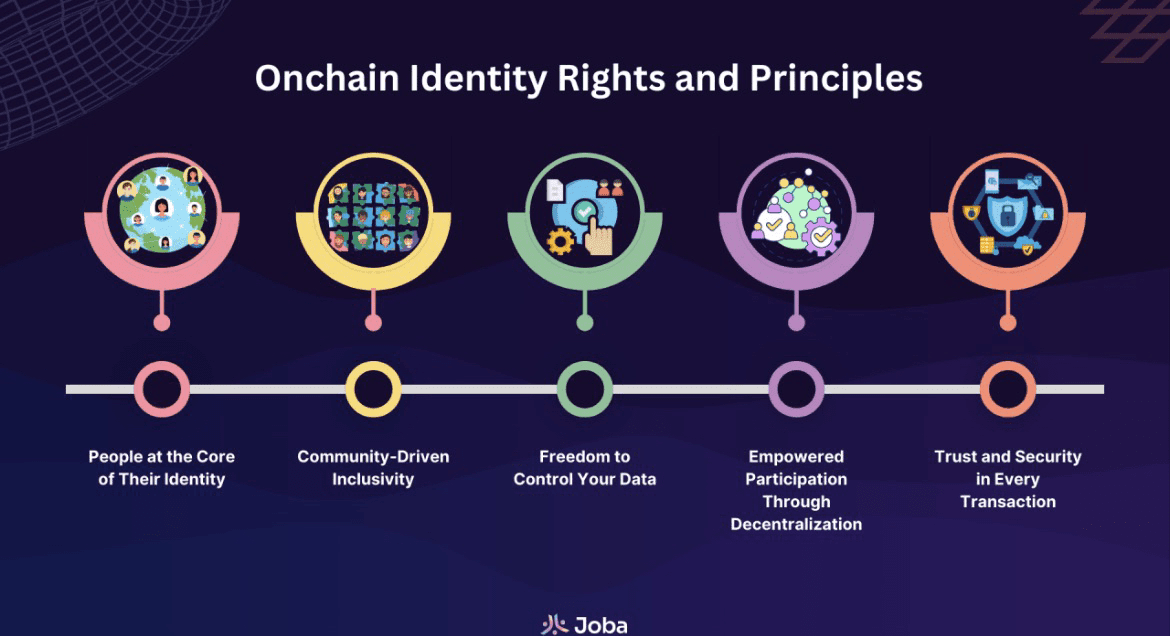
The Kite architecture allows agents to act independently without losing system-level consistency. It is a subtle design choice, but it determines whether agent networks scale or collapse under their own autonomy.
In practice, most failures of agent coordination do not appear dramatic. They manifest as inefficiencies, inconsistencies, or silent friction. Identity layers prevent these failures from surfacing.
@KITE AI $KITE #KITE

