

From what I observed today in the press, on TV, and in the public space, I feel that we are no longer talking just about a single tension in Hormuz, but rather something larger: a map of multiple strategic points that can be blocked or at least threatened at the same time. And this completely changes the way the market should be viewed, including the crypto market.
What seems important to me here is that markets do not react only to facts, but also to **the possibility** of blockages. When Hormuz, Suez, Bab el-Mandeb, and other sensitive points appear on the same map, the message is no longer just "there are tensions in the Middle East." The message becomes: global supply chains can be hit in multiple places simultaneously. And that means more expensive energy, more expensive transport, stubborn inflation, and nervousness in all risk assets.
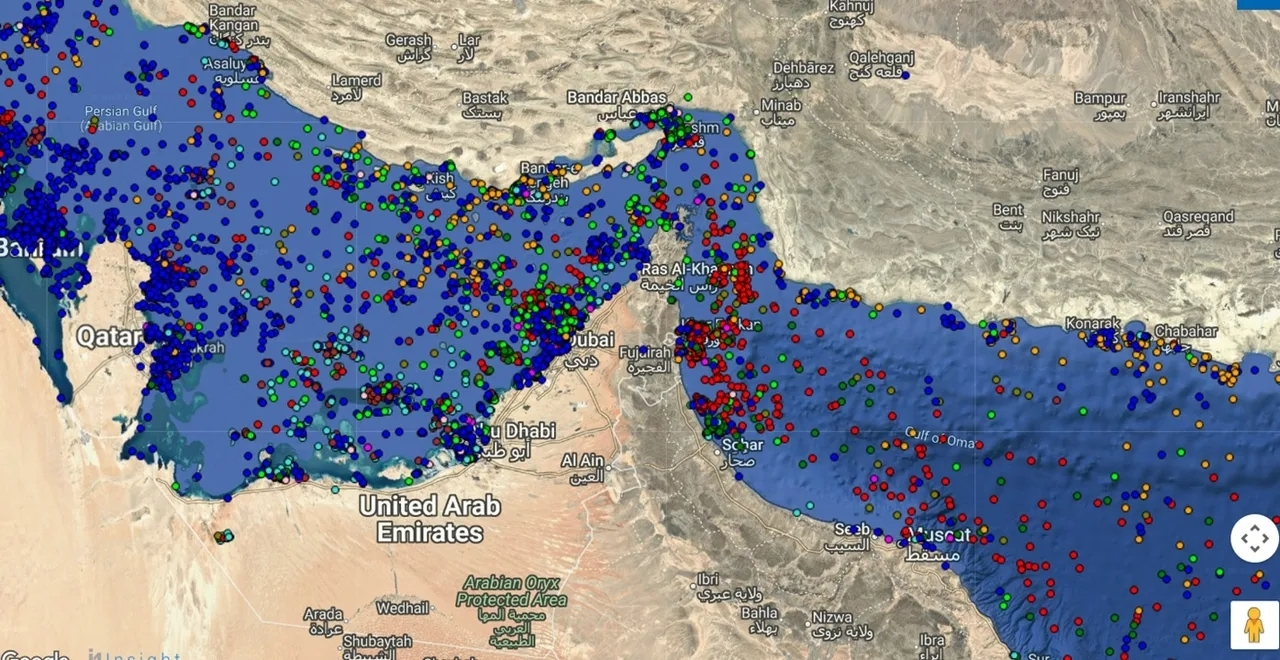
From my perspective, crypto is caught exactly in this type of ambiguous context. On one hand, many see it as an asset separate from the classical economy, almost immune to external shocks. On the other hand, on days with intense geopolitics, we see that Bitcoin and especially altcoins often behave like risk assets: they quickly turn red when the market is fearful, then recover just as quickly if calming news appears. In other words, exactly the type of market you don’t want to trade impulsively.
I believe that the dangerous part is not just blocking a point, but the domino effect. If an important maritime corridor is under pressure, the question immediately arises: where might the next blockage occur? And when investors start asking such questions, the market shifts from a zone of calm evaluation to a zone of emotional reaction. That's where spikes, liquidations, and movements that seem irrational at first glance occur, but become perfectly explainable once the panic passes.
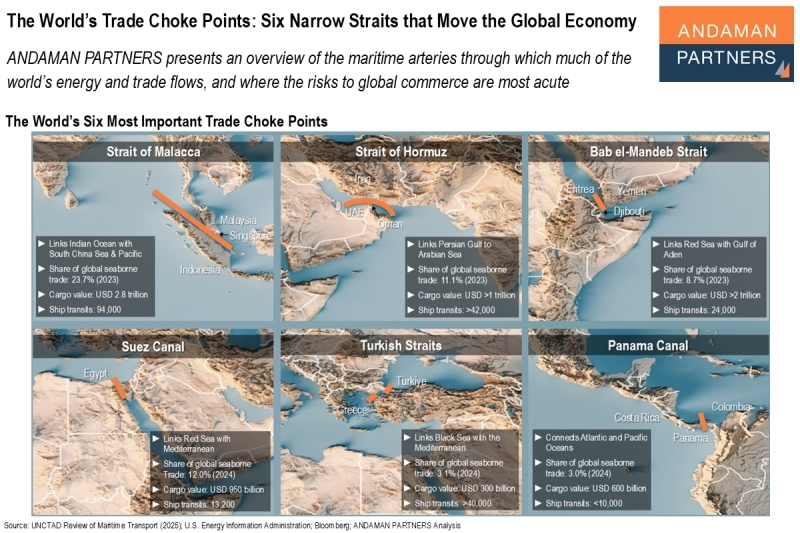
In the case of crypto, I would watch three things. The first is oil, because it quickly dictates the general tone of the market. The second is the dollar and the appetite for risk, because when investors seek safety, crypto usually suffers. The third is the level of public attention: when a news story reaches TV and social media at the same time, the reaction can be amplified far beyond immediate reality.
So, personally, I wouldn’t treat this discussion as just a simple geopolitical news story. It seems to me more like a signal that we are entering a phase where the market needs to value not a single risk, but a network of risks. And when that happens, crypto does not stay on the sidelines. It usually dives right into the storm.
If the extension of strategic blockages is confirmed, I would expect high volatility, sudden movements, and many traps for those who believe that the market 'chooses' a single direction. In fact, on such days, the market does not choose. It reacts.
#USMilitaryToBlockadeStraitOfHormuz #US-IranTalksFailToReachAgreement #BinanceSquareTalks #NewsAboutCrypto #NexusBull