
Let me share something honest.
When I first looked at Vanar, I almost skipped it.
No loud marketing.
No daily hype threads.
No “next 100x” promises.
But after spending real time reading their docs, tracking their updates, and watching how they’re positioning themselves, I realized something important:
Vanar is not trying to impress traders.
Vanar is trying to impress builders, enterprises, and future systems.
And that changes everything.
The Problem Nobody Talks About Enough
Most blockchains today are built for one thing: speculation.
They’re great at moving tokens, launching memes, and creating hype cycles.
But when you ask deeper questions — real questions — cracks start to appear.
Questions like:
Can this chain handle thousands of micro-payments every second?
Can fees stay predictable when usage spikes?
Can businesses rely on this network for years, not weeks?
Can it support AI systems, data flows, subscriptions, and real commerce?
Most chains were never designed for that.
They were built for DeFi experiments and token trading.
Everything else came later as patches.
Vanar is doing the opposite.
Vanar’s Core Idea: Build for Usage Before Hype
What stands out to me most is Vanar’s philosophy.
They are not building “features.”
They are building infrastructure for real economic activity.
Instead of asking: “How do we attract traders?”
They ask: “How do we support payments, automation, data, and scale without breaking?”
That leads to very different design choices.
Vanar focuses heavily on:
Low and stable transaction fees
High throughput without congestion
Fast finality for real-time payments
Infrastructure that works under stress, not just in demos
This matters more than people realize.
Because when blockchains move from speculation to real adoption, the chains that survive won’t be the flashiest — they’ll be the most reliable.
The PayFi Angle Is Bigger Than It Sounds
A lot of people hear “PayFi” and think it’s just another buzzword.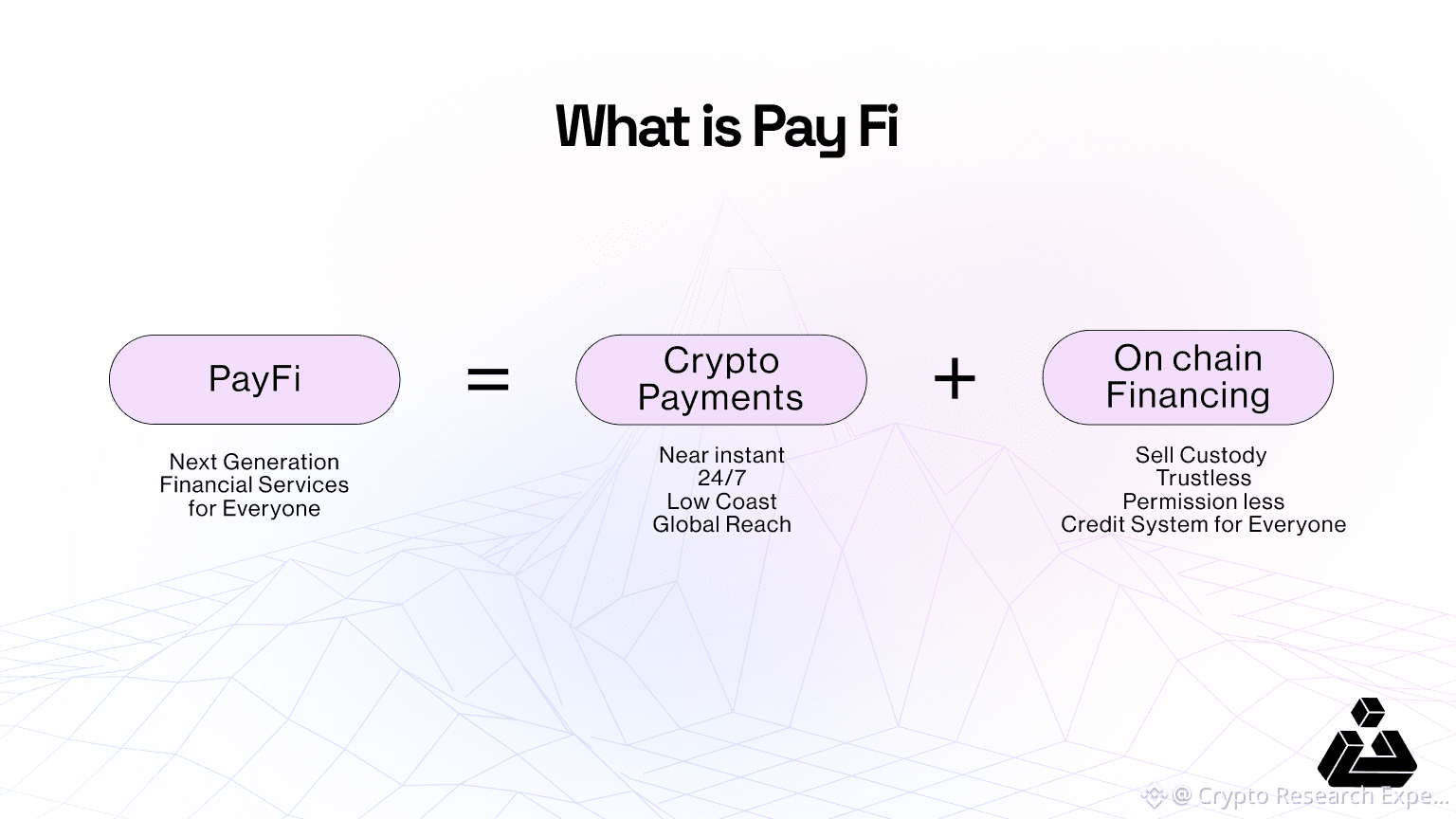
But look closely at what Vanar is actually targeting.
They’re positioning themselves for:
On-chain subscriptions
Automated billing systems
Micro-payments for AI agents
Machine-to-machine transactions
Cross-border settlement rails
This is not about replacing Visa tomorrow.
It’s about preparing for a world where:
AI pays other AI.
Apps pay for data automatically.
Devices transact without humans approving every step.
That future needs:
Cheap transactions
Predictable fees
Fast confirmation
Minimal downtime
Very few chains are optimized for that.
Vanar is.
Infrastructure First, Ecosystem Second (This Is Rare)
Another thing I noticed: Vanar is unusually patient.
Most projects rush to launch:
200 partnerships
50 dApps
Massive incentive programs
Vanar is slower and more careful.
They’re spending time on it to make it better which is:
Core protocol stability
Developer tooling
SDKs and integration layers
Enterprise-friendly architecture
This tells me they are thinking for long-term.
In infrastructure, this matters more than hype.
The chains that dominate payments, data, and automation in 5–10 years won’t be the ones that launched the most tokens.
They’ll be the ones that were boring, stable, and trusted.
Risk Management: A Sign of a Mature Project
Here’s something that impressed me personally.
Vanar openly talks about:
Network resilience
Fee stability
Scalability limits
Upgrade paths
Most projects avoid discussing risks.
Vanar seems to design around them.
They’re building systems that:
Degrade gracefully under load
Avoid fee explosions
Minimize re-org and congestion risk
Support modular upgrades
This is the kind of thinking you only see when teams expect real users, not just traders.
Why The Market Might Be Underestimating Vanar
Right now, Vanar doesn’t dominate headlines.
And that’s exactly why it’s interesting.
Historically, some of the strongest infrastructure projects:
Started quietly
Focused on boring problems
Built before demand exploded
When demand arrived, they were ready.
Vanar feels like one of those setups.
Not a narrative trade.
Not a meme.
Not a hype cycle.
But a platform preparing for:
AI-driven economies
Automated payments
Data-heavy applications
Real commercial usage
Those trends are not going away.
They’re accelerating.
The Question That Keeps Coming Back to Me
This is the question I keep asking myself:
When blockchains stop being casinos and start being infrastructure…
Which chains will businesses trust?
Chains built for speculation?
Or chains built for:
Execution
Payments
Automation
Stability
Vanar seems to be betting on the second future.
And that’s a future most people are still ignoring.
I’m not saying Vanar is guaranteed to win.
Every project has risks.
Every market changes.
But from a pure infrastructure and positioning perspective…
Vanar is building in a direction that makes a lot of sense.
Now I’m curious about your view 👇
Do you think blockchains built for payments and automation will matter more than DeFi chains long-term?
Or will it be speculation always dominate the crypto?