
.The crisis in the Strait of Hormuz has entered a new, perilous phase, with daily commercial shipping trips plummeting to nearly zero due to the escalating standoff between Washington and Tehran.
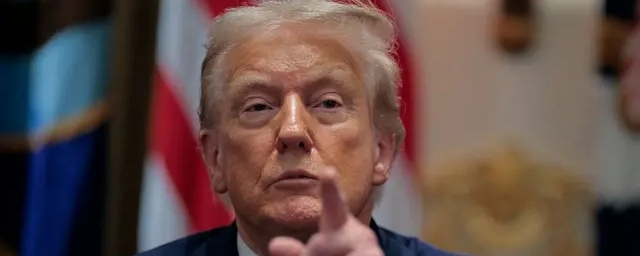
What started as a strategic move by President Trump to apply pressure on Iran through a maritime blockade has instead turned into a full maritime shutdown, leaving global energy supply chains crippled.
Shipping executives now warn that even if a diplomatic breakthrough occurs, the logistical path back to normal operations is likely to take months, making the strait the main flashpoint in the eight-week-long conflict.
An expanded risk theater.
The imposition of the American blockade has fundamentally altered the geography of the conflict, pushing the theater of operations far beyond the Arabian Gulf.
By intercepting vessels linked to Iran in international waters, the U.S. provoked a retaliatory response from the 'Mosquito Fleet' made up of Tehran's warboats, creating a high-stakes cat-and-mouse game that has effectively rendered the waterway unnavigable.
Shipping operators are expressing growing frustration over the lack of clear maritime security, pointing out that the increased U.S. presence has heightened volatility instead of restoring order, with over 400 sailors currently detained within the Gulf.
Economic losses have become increasingly severe. Crude oil production from Gulf producers has dropped by 57% since the conflict began, devastating demand in gas markets and exacerbating the global fertilizer shortage that threatens to inflate food prices for the rest of the year.
The markets saw a brief pump on hopes for a preliminary ceasefire in early April, but the subsequent hawkish stance dashed expectations for a quick resolution.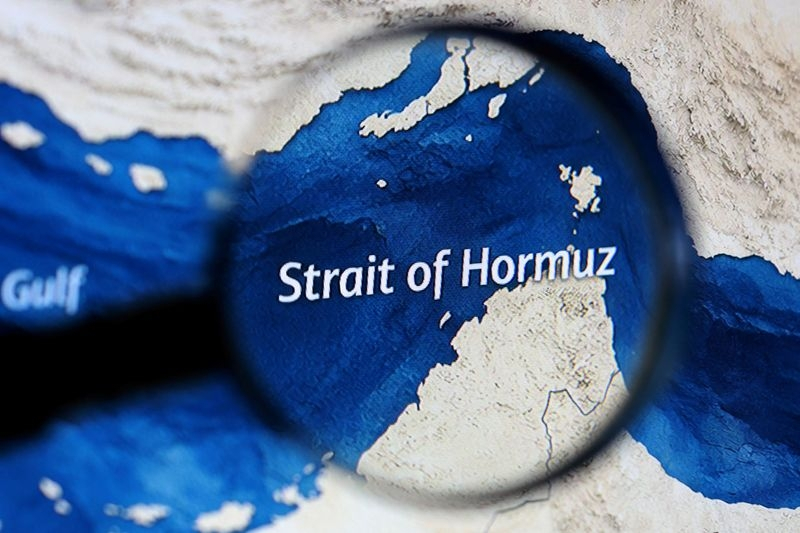
#hormoz #DonaldTrump #JustinSunSuesWorldLibertyFinancial #SoldierChargedWithInsiderTradingonPolymarket
