
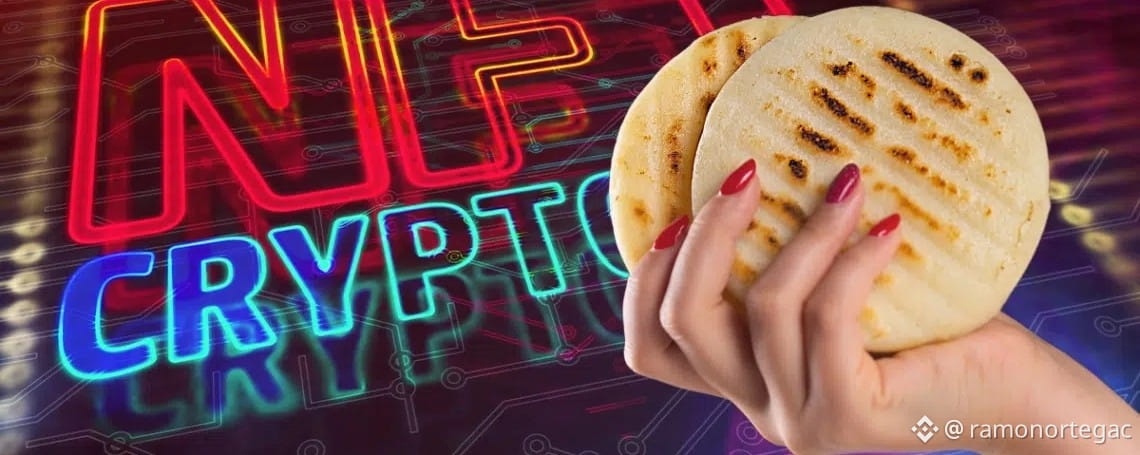
ArepaCoin (AREPA) is one of the most iconic cryptocurrencies in the Venezuelan ecosystem, not just for its name, but for being one of the pioneering projects attempting to link blockchain technology with cultural identity and the local economy.
Here’s a rundown of its origin and journey:
1. The Origin (2014)
ArepaCoin was born in late 2014, inspired by the rise of "altcoins" and the success of projects like Litecoin. It was created by a group of Venezuelan developers led by Roanyer Silva. Its main goal was to create a digital currency that Venezuelans could feel was their own, facilitating transactions in a high-inflation environment.
2. Technical Specifications
In its early days, ArepaCoin was not built on modern networks like Ethereum, but instead utilized its own blockchain:
*Algorithm:** Scrypt (similar to Litecoin).
*Protocol:** Proof of Work (PoW), meaning it was initially a mineable coin with computing equipment.
*Supply:** It was designed with a maximum limit of 10.5 million units, a fairly low amount compared to other projects, aiming to create scarcity.
3. Purpose and Philosophy
Beyond being a speculative asset, the project aimed to:
*Identity:** Using a national symbol (the arepa) to break the barrier of technological ignorance.
*Exchange:** To be used in local businesses for everyday purchases.
*Independence:** Offering a decentralized alternative to the local fiat currency.
4. Evolution and "Swap"
Over the years, the project has gone through several phases to avoid becoming obsolete:
*Migration to POS:** To be more eco-friendly and efficient, the coin migrated from traditional mining (PoW) to Proof of Stake (POS), where coin holders receive rewards for keeping their coins in a wallet.
*Network Updates:** It has undergone several "swaps" (exchanges of old coins for new ones) to enhance its network security and update its source code.
5. Current Status
Although the crypto market is extremely volatile and competitive, ArepaCoin has managed to survive as a community project. It remains active mainly through its community on social media and some small exchanges.
It is still remembered as Venezuela's first successful cryptocurrency (launched long before the Petro), representing a genuine effort for technological adoption from the grassroots level.