
🎓 Lesson in tokenomics: How to differentiate between the "gem" coin and the "scam" coin? 💎
The biggest mistake new traders make is buying based on "cheap price."
You might see a coin priced at $0.01 and think it's an opportunity, but if its economic structure (Tokenomics) is bad, it's a ticking time bomb in your wallet. 💣
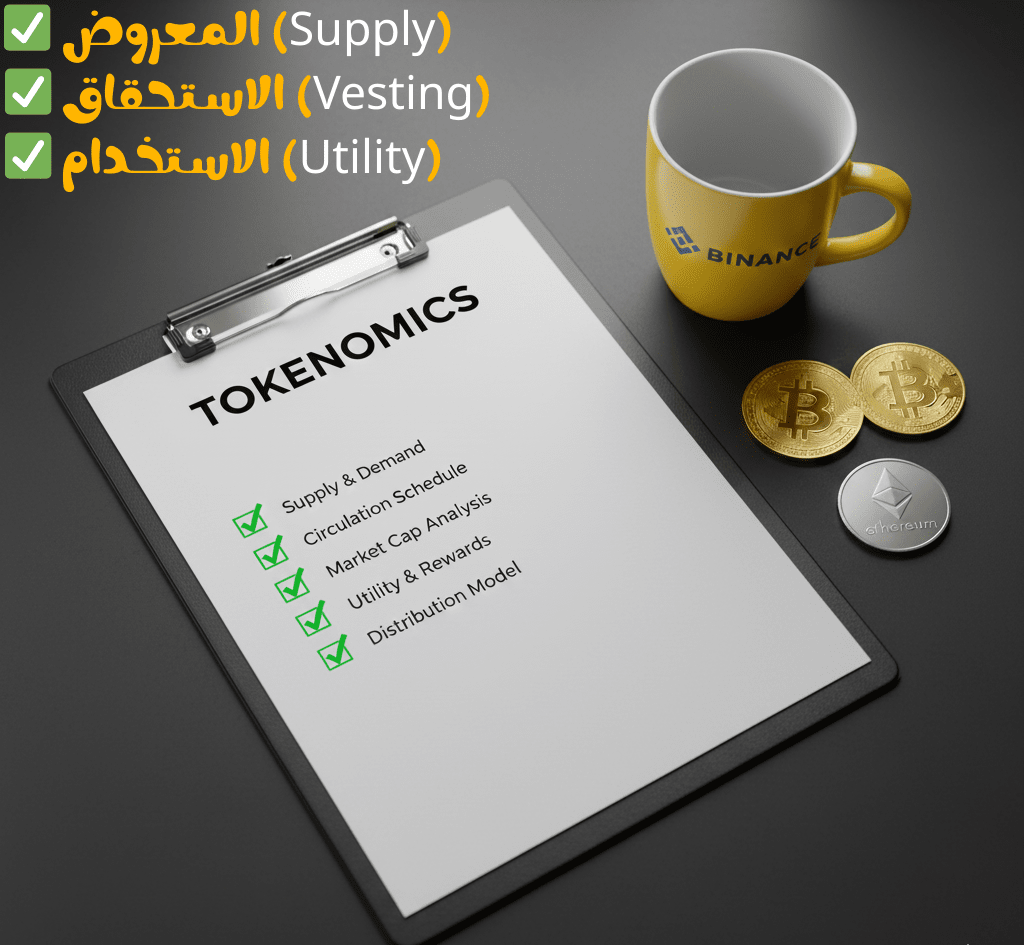
Here are 3 fundamental concepts you should examine before putting in a dollar:
1️⃣ Market Cap vs FDV Trap
Circulating Supply: Tokens currently available for buying and selling.
Max Supply: Total tokens that will exist in the future.
The trap: If the circulating supply is only 10% of the total, it means that 90% of the tokens will enter the market later. This increase will inevitably lead to a price drop if demand does not rise proportionally. 📉
2️⃣ Vesting Schedules
When are the team and early investors allowed to sell their tokens?
Example: Strong projects like $APT or $SUI have known timelines for unlocks. A smart investor monitors these dates to know when selling pressure might increase.
Danger signal 🚨: If you see a new coin where the team holds 40% of the tokens without any lock-up period, beware! They might sell the amount on you as soon as the price rises.
3️⃣ Real Use (Utility)
Why does this coin even exist?
Good use: Paying network fees (like $ETH), governance, or securing the network (Staking).
Bad use: A meme coin with no purpose other than "speculation". These coins rely solely on hype and die as soon as it ends.
💡 Summary:
"Don't just look at the price, look at the structure." Real projects are the ones that protect their investors from excessive inflation.
👇 Share your experience:
What is the first thing you look at when analyzing a new coin? Market cap or the team?
#Binance #Tokenomics #EducationalContent #arabic #Write2Earn
DYOR - Not Financial Advice