
Most blockchains were designed for experimentation first and utility later. Plasma takes the opposite approach. It starts from a simple but powerful assumption: if stablecoins are becoming the default medium of exchange on-chain, then the underlying network should be built specifically for them. Not adapted. Not patched. Purpose-built.
Plasma is a Layer-1 blockchain designed as financial infrastructure, not just another execution environment. Its architecture prioritizes predictable fees, fast finality, and institutional-grade reliability—the qualities required for payments, settlements, and large-scale capital movement. Instead of forcing users to manage volatile gas tokens, Plasma optimizes the entire system around stablecoin flows, making value transfer feel closer to modern finance than traditional crypto UX.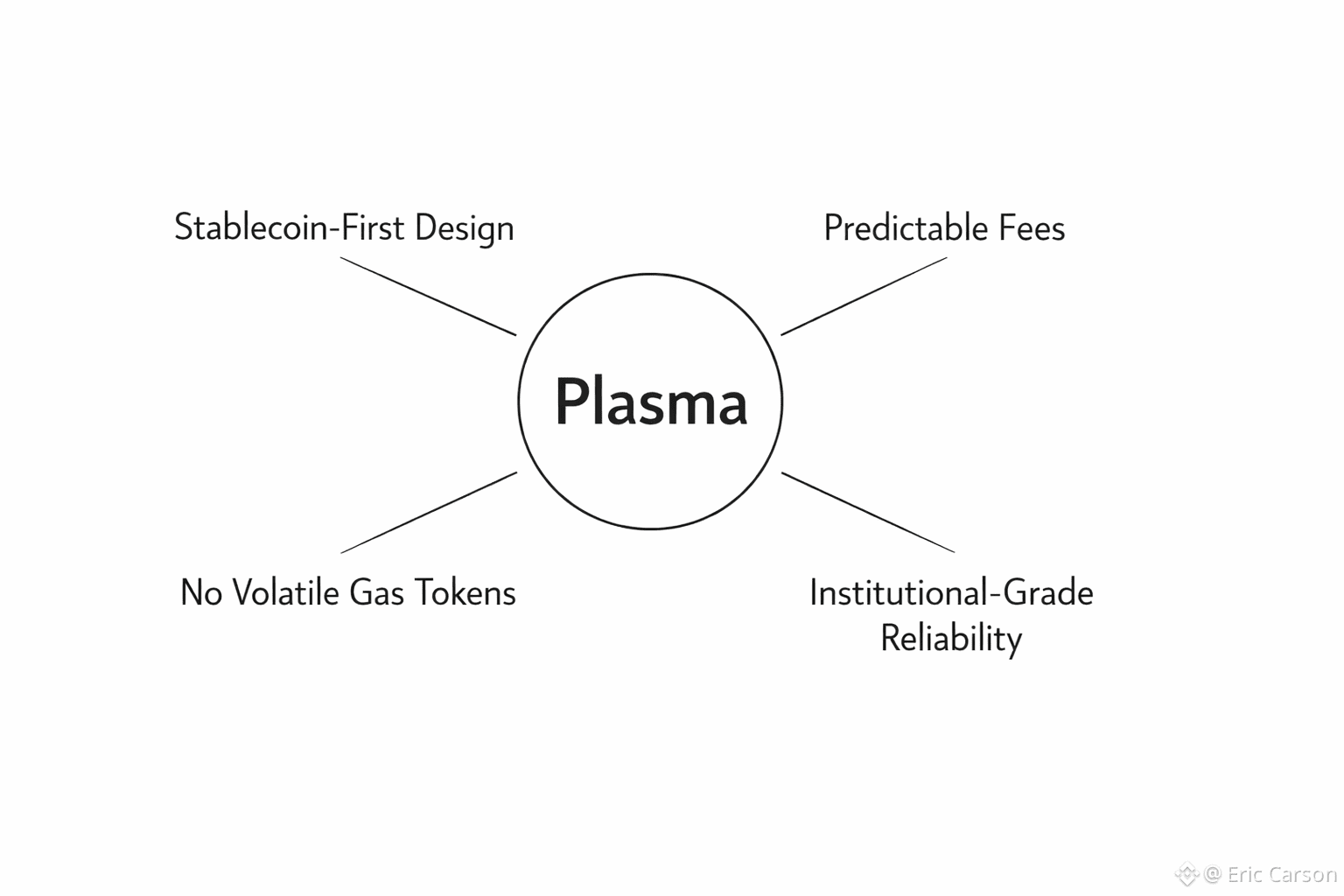
At the core of the network is PlasmaBFT, a high-performance consensus mechanism designed for speed and determinism. Execution runs on a Reth-based EVM, giving developers full compatibility with existing Solidity tooling without the friction of code rewrites. This means applications built for Ethereum can migrate seamlessly, while benefiting from a system tuned for stablecoin economics rather than generalized speculation.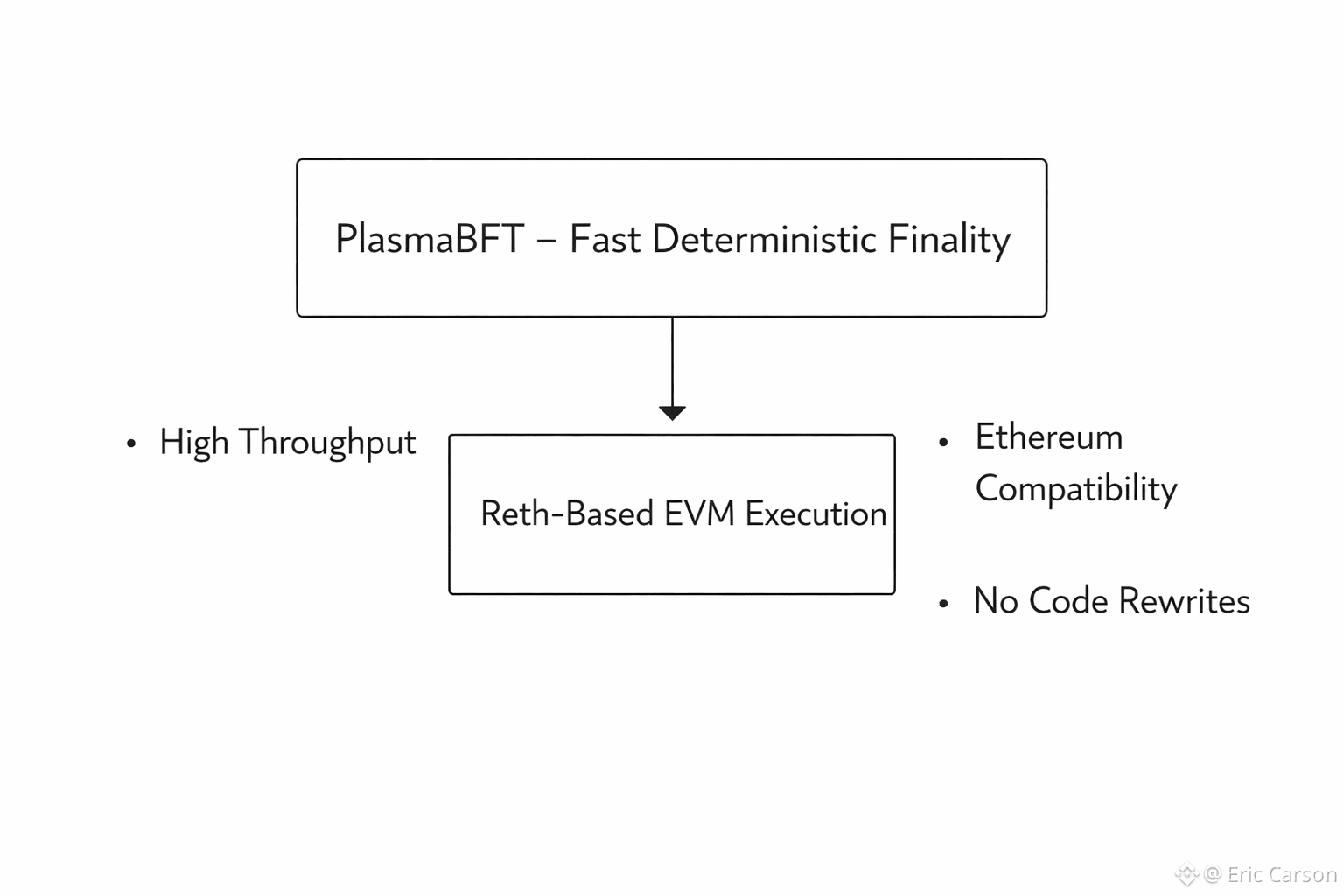
The $XPL token plays a foundational role in making this system work. XPL secures the network through validator staking, underpins execution guarantees, and supports a trust-minimized Bitcoin bridge that anchors Plasma to the most resilient asset in the ecosystem. Rather than acting as a superficial governance token, XPL is directly tied to security, performance, and long-term network alignment.
Equally important is how XPL enters circulation. Plasma’s public sale is designed around participation instead of access. Users deposit stablecoins into a vault and earn units based on how long their capital remains committed. Those time-weighted units determine guaranteed allocation in the sale. This structure rewards consistency over capital size and aligns early participants with the network’s long-term health. The sale is conducted using Sonar, the public-sale infrastructure from Echo, marking a shift toward more transparent and contribution-based token distribution.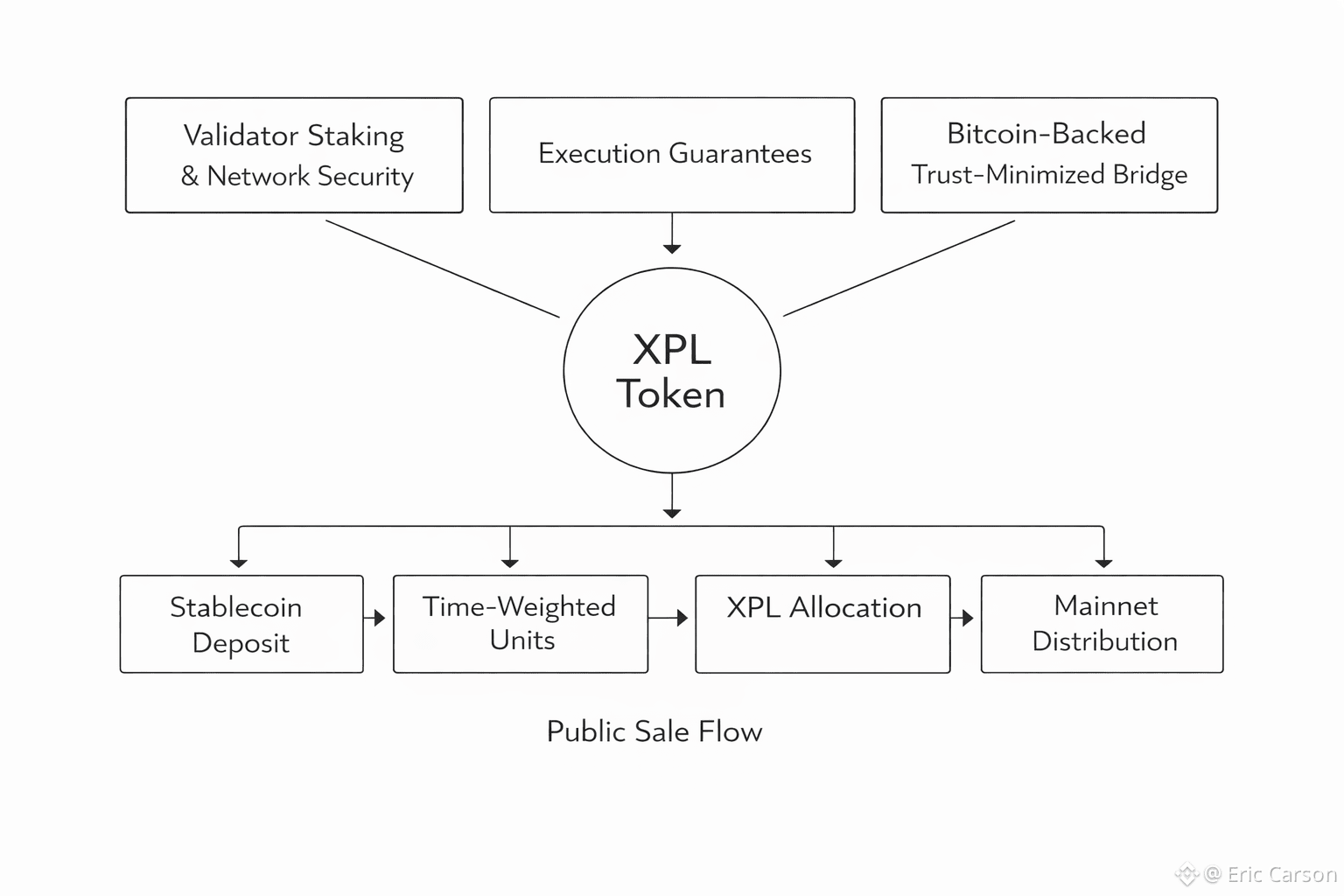
When Plasma Mainnet Beta launches, early participants transition from passive depositors to active stakeholders. XPL tokens are distributed, vault positions are bridged onto Plasma, and stablecoins become withdrawable directly on the network. At that point, Plasma is no longer a concept or roadmap—it becomes a live financial rail with real liquidity and real users operating natively on-chain.
Security and compliance are treated as first-class design constraints, not afterthoughts. The pre-launch vault infrastructure is built on audited contracts, with full audits planned ahead of Mainnet Beta. Jurisdictional screening, identity verification, and wallet checks ensure that participation aligns with regulatory realities, reinforcing Plasma’s positioning as serious financial infrastructure rather than a short-lived experiment.
Plasma is not trying to win every narrative in crypto. It is focused on doing one thing exceptionally well: enabling stablecoins to move globally with speed, clarity, and minimal friction. As stablecoins continue evolving from trading instruments into everyday money, networks like Plasma become increasingly relevant.
Plasma is not just another Layer-1, and XPL is not just another token. Together, they represent an attempt to rebuild how digital money moves—grounded in participation, aligned incentives, and infrastructure that is designed for the scale stablecoins are already reaching.
