
Yi Hai Lun Bi writes every analysis article with a responsible, focused, and sincere attitude, with distinct characteristics, not pretentious or exaggerated!
Daily market interpretation, I am digital currency analyst Yi Hai Lun Bi!
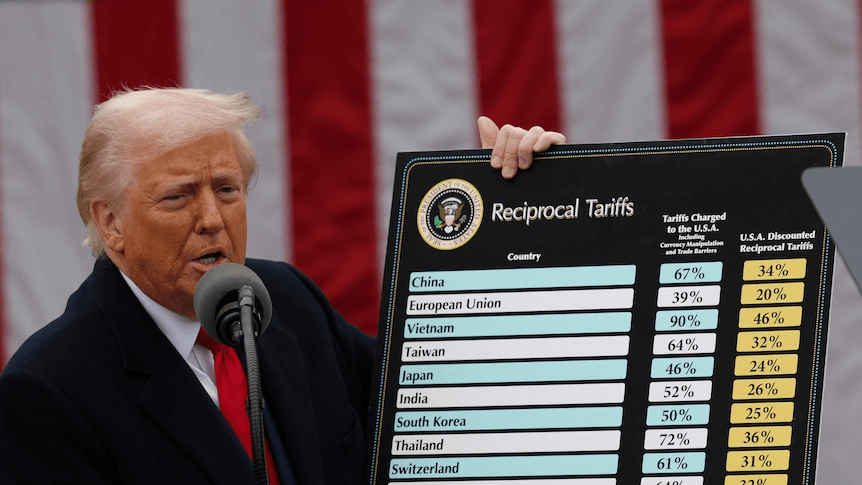
This week, there are many macroeconomic events involved, so let me list them for you, and we will analyze them one by one later. On April 9, the U.S. equal tariffs will officially take effect; this Thursday, the CPI inflation rate for March will be announced, and the Federal Reserve will also release the minutes of the March monetary policy meeting; this Friday, the PPI data for March will be published, and some Federal Reserve officials will also speak. The uncertainty brought by tariffs continues to guide market sentiment. Trump stated that any agreement reached with affected regions to reduce tariffs must eliminate the U.S. trade deficit. The Japanese and South Korean stock markets opened sharply lower this morning. Shinzō Abe stated that he would meet with Trump to continue negotiating a reduction in tariffs on Japan, but short-term results may not be achieved. Before April 15, everyone needs to be aware that the market is expected to face considerable volatility. April 15 is also the deadline for U.S. tax reporting, which is the deadline for declaring personal income taxes. However, the short-term focus will still be on the equal tariffs on April 9.
Previously, when the U.S. stock market plummeted, BTC remained above $81,000. It now seems to have reflected on the corrections, with BTC dropping to around $77,000. If the U.S. stock market continues to decline when it opens today, BTC may follow with more declines, possibly testing the significant $76,000 level. The 365-day moving average and the 50-week moving average are seen as the dividing line between bulls and bears, currently at $768,000. Earlier today, it also conducted a preliminary test of the 50-week moving average. Due to BTC's earlier drop, a new CME futures gap was spotted in the area of $79,600 to $82,700, and there is also an unfilled gap in the range of $85,170 to $85,500 from the previous days. Considering that CME gaps have generally been filled in a very short period, it indicates that BTC may rebound to fill these CME gaps, although this still depends on whether tariff strategies can reach some favorable agreements.
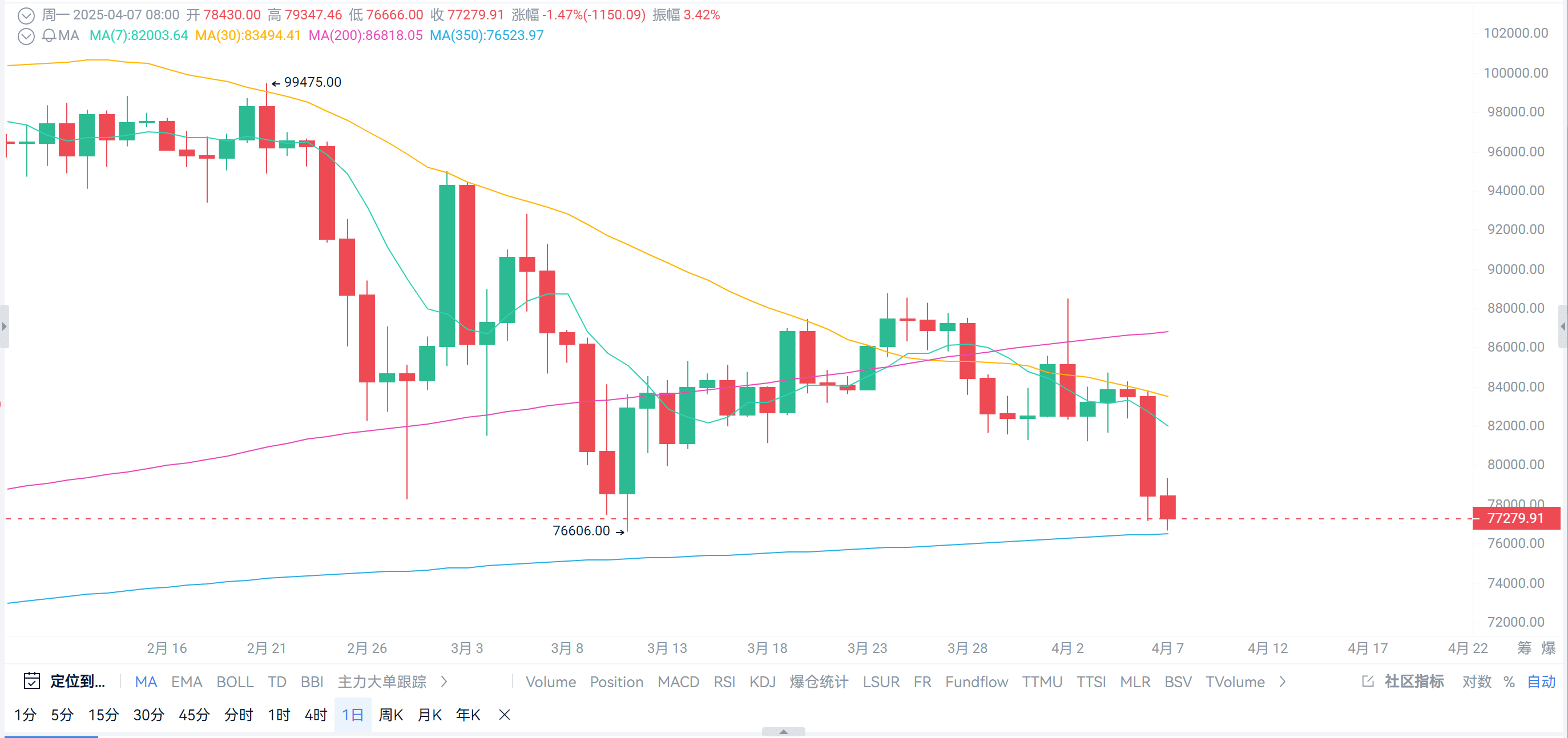
I just mentioned the CPI inflation rate, and it seems to constitute some short-term positives. First, looking at the data, the overall inflation rate in the U.S. for March is expected to drop from 2.8% to 2.6%, or even to 2.5%. This is the current forecast data, indicating that we are closer to the 2% inflation target. Trump previously told Powell that now is a good opportunity to cut rates, but Powell continues to reaffirm his stance that there will only be two rate cuts this year, which is also a macro concern. The 50-day moving average of BTC has fallen below the 200-day moving average, signaling that a death cross has formed. Coincidentally, at this point in time, BTC has seen further declines, leading to a more pessimistic sentiment now, with many investors starting to discuss whether BTC will drop to $73,000. From the market situation, Trump's plan seems to be starting to yield the expected effects, progressing step by step along the path he set.
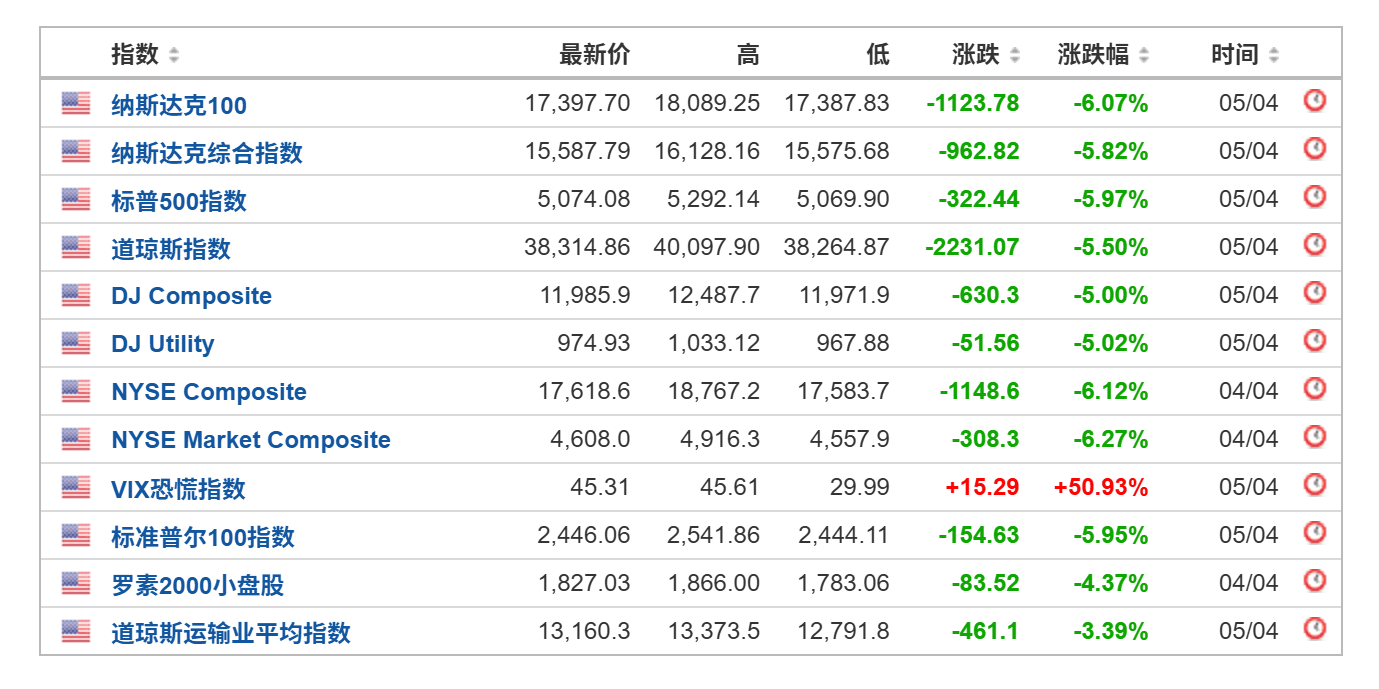
The U.S. stock market is currently witnessing severe sell-offs, and BTC has also followed suit, breaking below the initial support level. Market sentiment is beginning to diverge, with retail investors' panic emotion intensifying again, short-term funds starting to choose caution, while long-term funds are seeing an opposite trend. During the period from 2020 to 2022, long-term holders who bought BTC have not chosen to sell, even though some profit-taking was seen near previous historical highs, but overall positions remain high. Among those who invested five to seven years ago, over two-thirds have realized profits in the previous two rounds of price increases. In this new stage of BTC's fluctuations, the supply proportion of long-term holders is increasing, and as the big bull market returns, long-term holders will begin to sell again, though this will also require more short-term funds to join in. From the current market perspective, not only are BTC's technical moving averages converging, but the cost lines of different short-term holder groups are also tending to converge or overlap, which reflects the consolidation trend of BTC.
Currently, macro factors are dominating market direction. The core logic of Trump's tariff plan must trace back to the pandemic outbreak period from 2020 to 2021. At that time, the U.S. government borrowed at extremely low interest rates to cope with the risk of economic shutdown, issuing a massive amount of short-term treasury bonds in a short time. A portion of this debt is due this year, which means it must be repaid or refinanced. The problem is that the current interest rate environment is completely different from then, and the cost of refinancing has clearly increased. Statistics show that this year, the U.S. needs to handle a total of about $9 trillion in short-term debt. To reduce the refinancing costs of these debts, Trump chose a highly risky path, creating turmoil in the financial market to guide funds out of the stock market and into the U.S. treasury market. When the market falls into panic, investors rush to find safe-haven assets, and U.S. treasuries, due to their safety and stable returns, become the first choice. A large influx of funds pushes treasury prices up, leading to a natural decline in yields, thus creating conditions for the U.S. government to refinance at lower rates. For example, with a $100 face value U.S. treasury bond that has an annual interest of $5, the initial yield is 5%. If market demand continues to expand, pushing treasury prices up to $110, although the fixed interest remains $5, the recalculated yield would drop to around 4.5%. This means that the U.S. government's cost of borrowing new funds to pay off old debts will decrease, which is precisely the core result Trump hopes for.
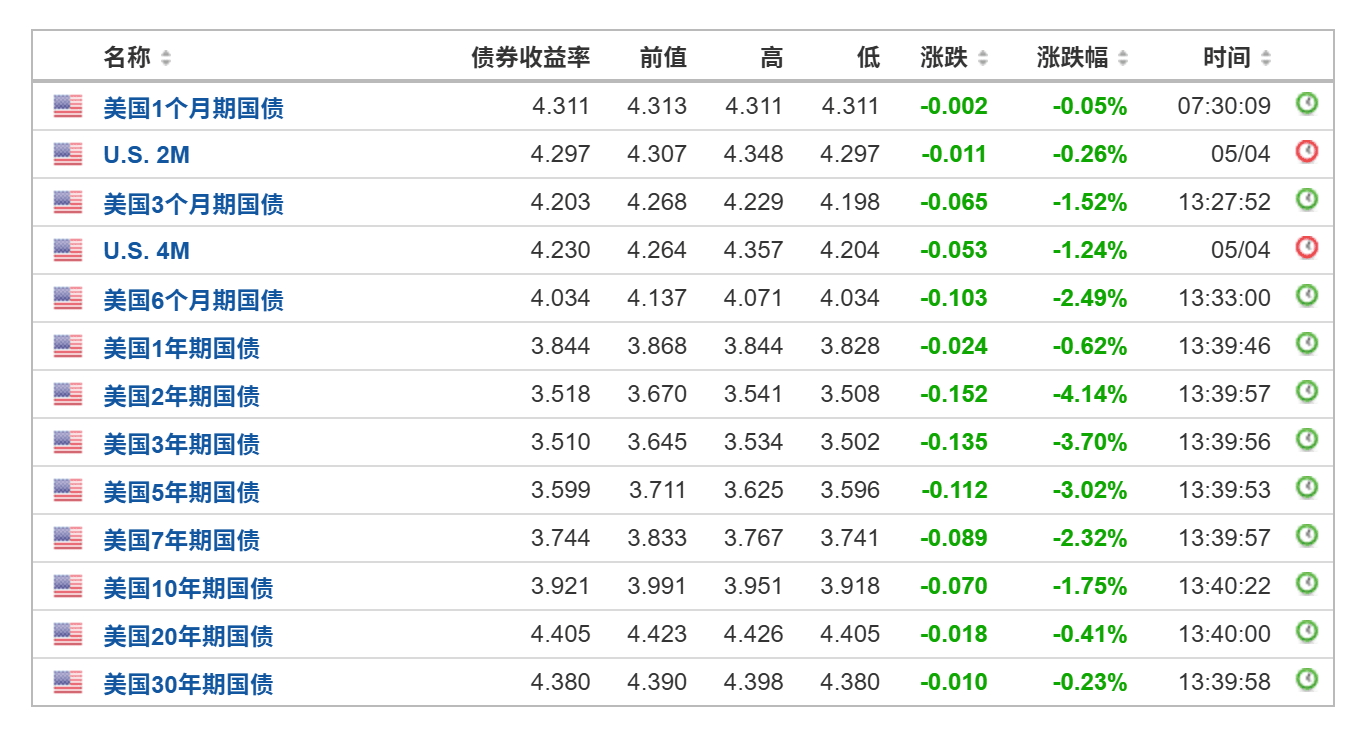
From the latest data, this strategy has shown initial effectiveness. The yield on the ten-year U.S. treasury has recently dropped from 4.4% to 3.9%. This increase in purchasing demand also reflects a concentrated outbreak of risk-averse sentiment and indicates that Trump's plan has achieved phased success at the market level. Although Trump's strategy may disrupt the global economic order in the short term, it could greatly stimulate the reshaping of capital markets in the long term, particularly positively impacting BTC. The imbalances accumulated in the current global economic structure will gradually be corrected amid a series of severe fluctuations, and the U.S. government's response may very well be what is referred to as turning on the printing press. The result of liquidity flooding can be seen after every economic crisis, with asset prices rising, and BTC will benefit. Currently, Trump is pressuring the Federal Reserve to cut rates, but Powell still has not budged, believing that tariffs will drive up inflation and that the market's reaction needs to be viewed more cautiously.
Currently, the sharp drop in oil prices has also led to a potential further decline in the CPI inflation rate for March. In the short term, this could be favorable for BTC, increasing the likelihood of more interest rate cuts by the Federal Reserve this year, with the probability of a rate cut in May also rising. Even so, considering the equal tariffs coming into effect on April 9, the potential short-term benefits may be offset. Of course, not all news is negative; on certain levels, it may also benefit BTC. Primarily, there are two aspects: as funds continue to withdraw from U.S. stocks, the U.S. dollar index will continue to fall, and the depreciation of the dollar itself supports BTC. On the other hand, high tariffs may trigger a continuous depreciation of our fiat currency, leading our investors to consider asset preservation, shifting funds towards inflation-resistant assets like BTC. This trend of capital outflow may gradually become evident in the coming months, providing a positive impetus for the crypto market.

Overall, whether it is the increase in holdings by long-term investors or the hedging by short-term holders, both are alerting us to the need for strategic adjustments. The adjustments in altcoins were already mentioned to everyone yesterday, and some friends still regret it today, which is something I, Old Yi, do not want to see. However, it is challenging for everyone; the current situation has already opened up downward space on both daily and weekly charts. Continuous attention is needed for further actions on tariffs. Even if there is some support, facing new uncertainties gives the market makers greater operational space. Long-term, we should continue to follow the trend. I have already started to layout positions and can communicate with me anytime. As for the short-term aspect, various moving averages have been tested again, and similarly, we should hedge the spot profit margins around the short-term trend. During this period, remember not to take heavy positions; observe real-time data, and recent offensive strategies will be relatively cautious, with high requirements for position control. Friends with ideas remember to contact me in advance!
Yi Hai Lun Bi: The success of investment is not only determined by choosing good targets but also by when to buy and sell. Protecting capital and doing a good job in asset allocation is essential for steady advancement in the ocean of investment. Life is like a long river flowing into the sea; what determines victory or defeat is never the gain and loss of specific checkpoints but the aggregation of countless rivers!
The article is just a personal opinion and does not constitute any buy or sell advice. The crypto market carries risks; investment should be cautious!