
Yi Hai Lun Bi writes each analysis article with a responsible, focused, and sincere attitude, with distinctive characteristics, not pretentious or exaggerated!
Daily market interpretation, I am digital currency analyst Yi Hai Lun Bi!
Following Powell's wave of hawkishness, last night was a great victory. First, let's look at what has happened recently. In March, US retail sales increased by 1.4% month-on-month, the largest month-on-month increase since January 2023. This data, like last week's inflation data, did not have much impact on the market. After all, American consumers are actively shopping to cope with tariff threats, and auto sales recorded the largest growth in two years. Short-term panic buying behavior drove retail sales to soar. The key point is Powell's speech at 1:30 AM today poured cold water on the risk market, clearly stating that the current inflation pressure facing the US economy is not just a short-term reaction caused by one-time events but may become more persistent due to structural factors like tariff trade strategies. He specifically mentioned that the inflation shock caused by tariffs has exceeded the Fed's previous expectations. In Powell's eyes, suppressing inflation remains the primary task, which is actually a counter-guide to market rate cut expectations. More importantly, Powell stated that although the market will continue to fluctuate, it does not mean that the Fed will step in to save the market. As soon as he finished speaking, US stocks and the crypto market both fell, while gold prices hit new highs again.
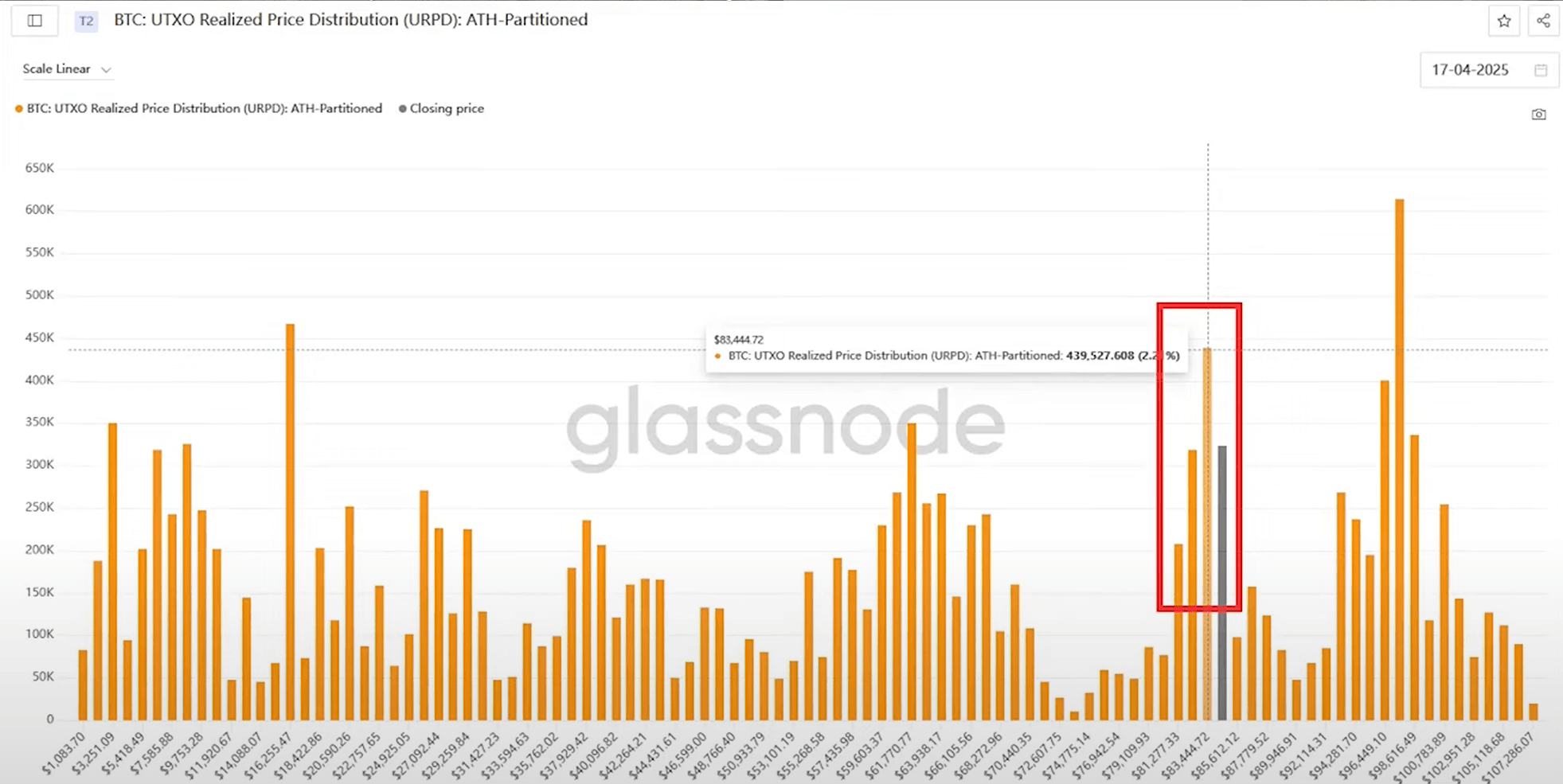
As for the support in the BTC range of $81,300 to $83,500, it seems relatively solid. Recently, BTC has remained above $83,000, and there are more chips at $84,500. Both bullish and bearish investors in BTC are quite strong, with $87,000 being a noticeable liquidation point. If the support at $83,000 is broken down, liquidation becomes easier to see. Currently, BTC is still fluctuating between the one-year moving average and the 200-day moving average. Previously, BTC attempted to return to $87,000 but quickly failed. There are quite a few shorts building positions at $87,000, and buying pressure has weakened compared to before, failing to absorb these selling pressures, leading BTC to drop. For BTC to establish an upward trend now, it needs to stabilize above $86,000 for short-term optimistic sentiment to continue. The previous surge in BTC price was very close to a structural resistance area, which has formed key reversal areas multiple times in previous cyclical trends. There has been a lot of trading activity here, with both buyers and sellers relatively fierce; it's also a key reference point to assess trend strength. Until an effective breakthrough occurs, this area will continue to exert pressure, including breaking through the 200-day moving average. Once the price can break through strongly and stabilize, it will become a support area for future market trends and open the way for further upward movements. From Lao Yi's perspective, the global M2 money supply has already guided the upcoming market trend. BTC breaking new highs is just a matter of time.
On the other hand, the US Treasury has injected about $500 billion of liquidity into the financial system since February, released through the Treasury's TGA account. The TGA balance has decreased from an initial $842 billion to $342 billion, indicating that a large amount of fiscal funds has flowed from the US government accounts to the real economy and financial markets. Some of this liquidity will enter the risk asset market, including US stocks and the crypto market. Institutions like MicroStrategy are still continuously buying BTC. Many friends express confusion about their purchasing model. Currently, MicroStrategy holds over 530,000 BTC, with an average price of $67,584. Although BTC is currently above their average price, many friends may think that MicroStrategy's buying timing is not perfect. From the timeline, since starting to allocate BTC in 2020, it has already exceeded the average price of many investors, even those who only started attacking last year, as long as the average price is below $70,000, they seem to be in a better position than MicroStrategy. This is because MicroStrategy's main financing channel often collects funds more easily when the market is at its peak, which leads to it buying BTC at relatively high levels, indeed increasing risk exposure to some extent. However, for other market participants, this is a positive. In a bull market, funds like MicroStrategy can hedge against concentrated profit-taking pressure in the market, while in a bear market, retail investors or small to medium institutions can accumulate chips at lower price ranges, avoiding competition with institutions like MicroStrategy.

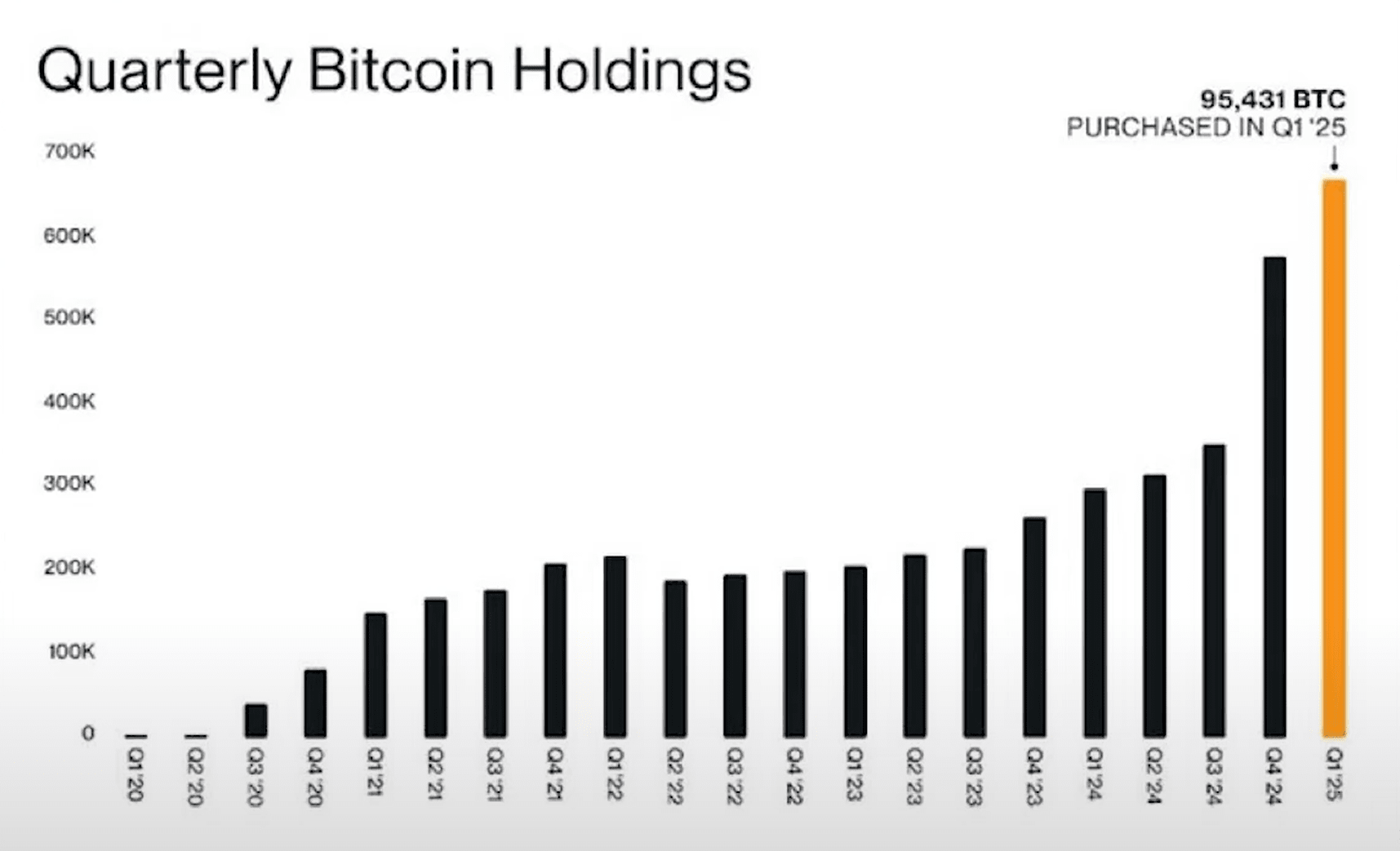
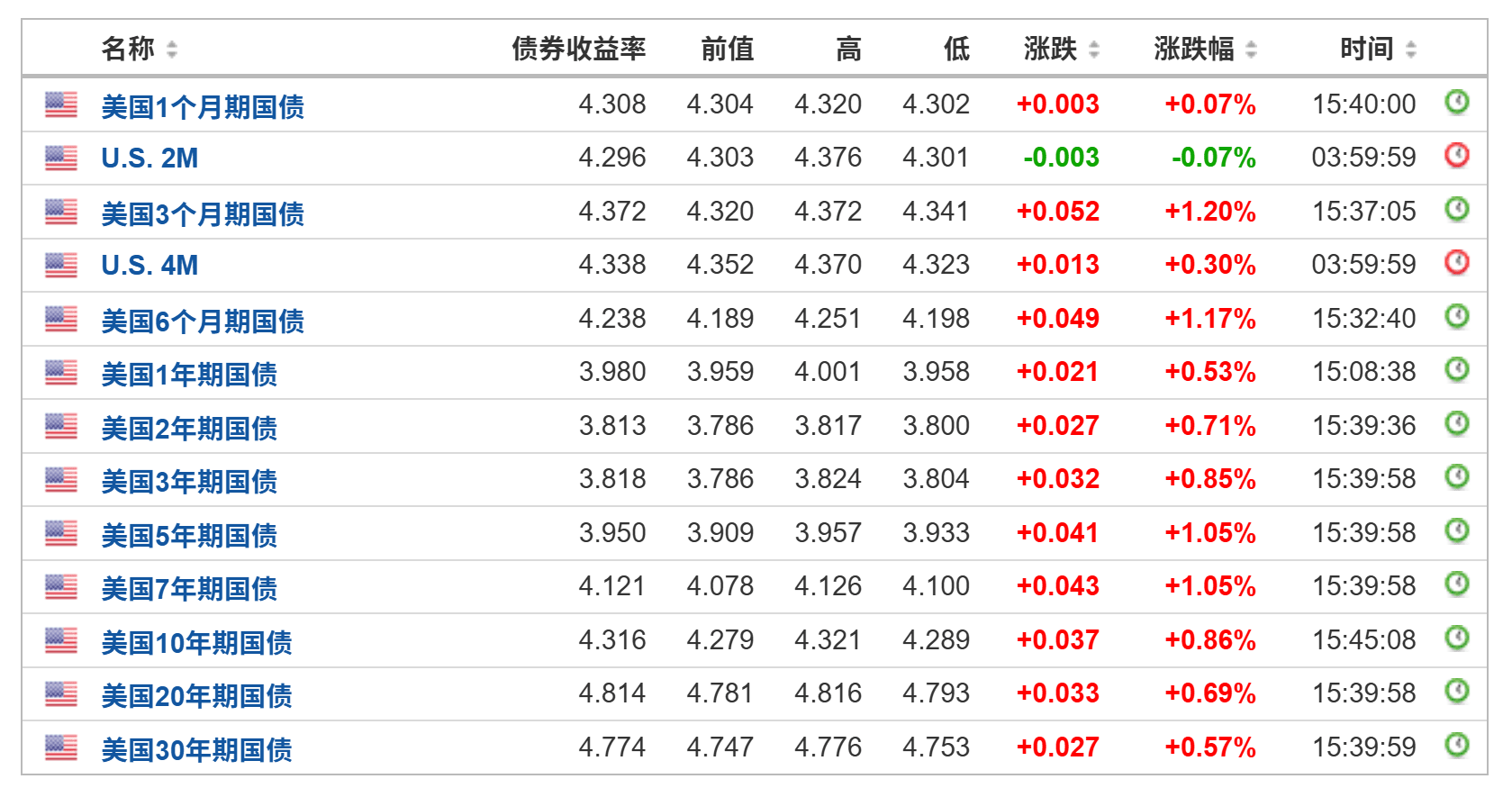
According to the data, in the first quarter of this year, the overall BTC holdings of listed companies increased by 16%, with a total of 688,000 coins, a net increase of 95,431 coins, with MicroStrategy clearly taking the lead. Currently, there are 79 listed companies holding BTC, of which 12 joined in the first quarter of this year. This also indicates that the acceptance of BTC at the corporate level is increasing day by day. On the other hand, Powell mentioned not to expect the Fed to step in to save the market, and when referring to US Treasuries, he believes that some market volatility stems from hedge funds reducing leverage or debt, with potentially more fluctuations in the short term. Recent articles have mentioned that massive selling of US Treasuries is causing yields to rise rapidly. The essence is that US Treasury prices and yields have an inverse relationship. When more and more investors choose to sell US Treasuries, prices fall while yields naturally rise. Last week, US Treasury yields recorded the largest weekly increase since 2001, with the 10-year Treasury yield surging by 50 basis points, reflecting the market's extreme unease about the US economic outlook and strategic path. Normally, when the market is filled with uncertainty and US stocks are volatile, investors usually flow their funds back into the relatively safe US Treasury market, as it is backed by the federal government's credit and theoretically has very high safety. However, currently, we see a contrary trend.
From the current market performance, capital is likely flowing into gold or simply temporarily exiting the market to choose to observe. From the liquidity response, gold and BTC had similar movements before, especially in the lagged response to liquidity over 10 weeks, with gold being the first to react. More factors influence gold prices, but regardless, the fact that the global M2 money supply has reached a new high is indeed a positive for BTC. This is also why Lao Yi has always believed that BTC will break new highs subsequently, at the latest by the end of this month, or it may already be reflected now. As US Treasury yields continue to rise, some Fed officials previously stated that there is no need to overly worry about liquidity issues and that measures will be taken to ensure the stable operation of the market when necessary. Powell has cooled the market this time, but from Lao Yi's view, if the situation further deteriorates, the Fed will still intervene in the market by directly purchasing US Treasuries. This was mentioned last week, essentially returning to a path of quantitative easing operations. Of course, the Fed also stated that there are several preconditions before truly implementing quantitative easing, especially that the federal benchmark interest rate must first return to near zero, which is currently not met. Therefore, there is no need to misunderstand the Fed's statements as a signal that QE will necessarily restart in the short term.
BTC rebounded from the low of $74,500 to over $84,000, which is already an increase of over 10%. However, the biggest uncertainty remains with Trump. If Trump disrupts the market again, BTC will face more pressure. From a strategic perspective, one of the main challenges Trump faces is how to re-enhance the attractiveness of US Treasury bonds, prompting a decline in Treasury yields to reduce refinancing costs. This goal can be achieved by improving the yield and safety of Treasury bonds to attract investors or by reducing the active sellers in the market to rebalance supply and demand, with us being one of the key variables. In the short term, Powell's remarks have indeed brought some emotional pressure to the market, but BTC's performance yesterday still ended with a bullish candlestick, and today it remains in the upward phase. Everyone is waiting for a clear signal, with significant support still evident below, but the major players have not felt much pressure from this. Recently, performance has mainly been a consolidation phase. The $85,000 level has been tested multiple times but ultimately failed, with support around $82,500. In the absence of new market news, it will oscillate around this range, continuing to look for a breakthrough in the trend. Short-term offensives have been relatively frequent lately. New friends may have slow replies; please understand. Friends with ideas can communicate with Lao Yi anytime; I will reply to everyone I see.
Yi Hai Lun Bi: The success of investment not only depends on choosing good targets but also on when to buy and sell. Preserving capital and making good asset allocations is key to moving steadily through the ocean of investment. Life is like a long river entering the sea; what determines victory or defeat is never the gains and losses of a single pass or moment, but rather the confluence of many rivers!
This article only represents personal opinions and does not constitute any trading advice. The crypto market has risks, and investment should be cautious!
