
The first time I dug into Fabric's ROBO, it hit me differently than the usual crypto buzz. While most projects chase after smarter AIs or decentralized data, this one zeroes in on something more foundational: what if robots had their own financial system to thrive in?
At first glance, that idea might seem like sci-fi fluff. But zoom out, and the pieces start clicking. AI is infiltrating everything from factories to homes, robotics tech is leaping forward, and blockchains are proving they're great at handling trustless transactions. ROBO plants itself smack in the middle of that convergence.
The Fabric team boils it down to "Own the Robot Economy," which sounds bold but boils down to real-world fixes. Robots don't fit into our human-centric systems they can't sign contracts, get loans, or prove who they are via IDs. If they're out there delivering packages or assembling goods autonomously, they still need secure ways to earn, spend, and track value.
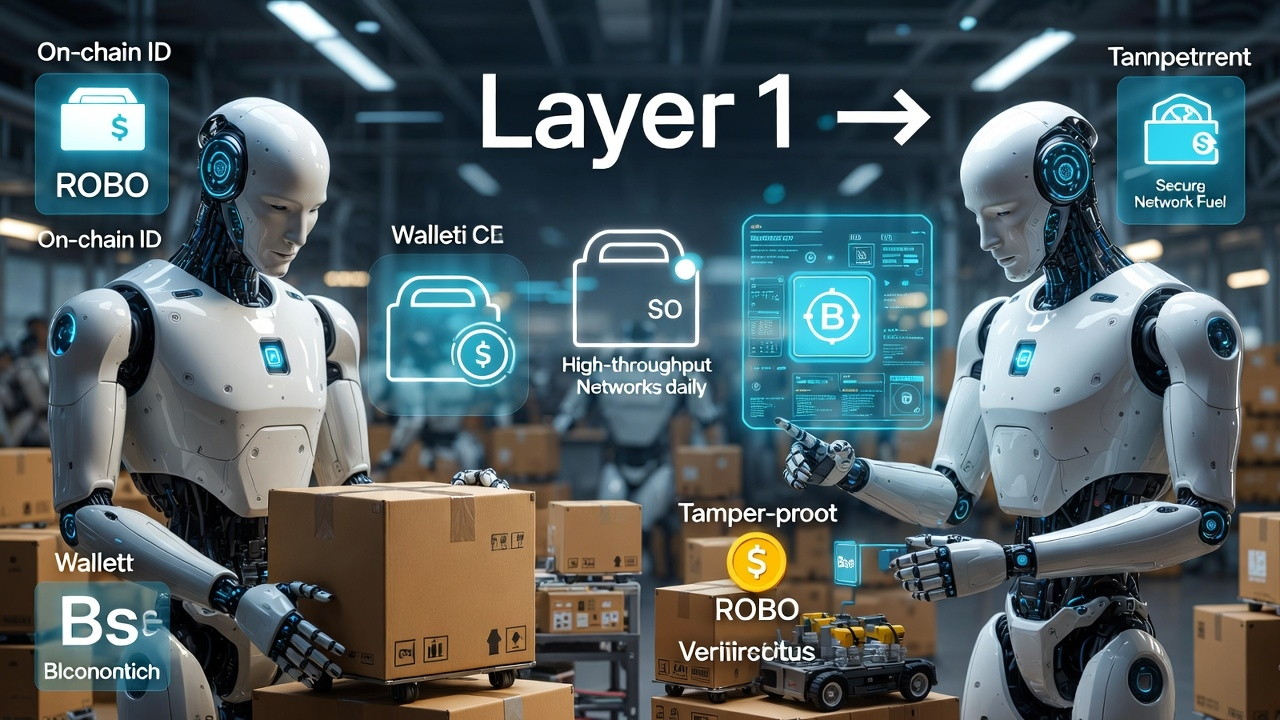
That's where Fabric steps in with blockchain smarts. ROBO acts as the fuel for the network, starting on Base for its high throughput (handling millions of txns daily). Robots get on-chain IDs linked to wallets, making every interaction payments, verifications smooth and tamper-proof using ROBO. But the clever part is the deeper setup: They're eyeing a shift to their own Layer 1 blockchain, which could turn robot ops into direct network value.
This ties into the tokenomics in a smart way. Users stake ROBO to help boot up and manage robot fleets not owning hardware outright, but coordinating activations and getting first dibs on tasks. It's like a decentralized dispatch system, where staking aligns incentives: early helpers win if the network booms.
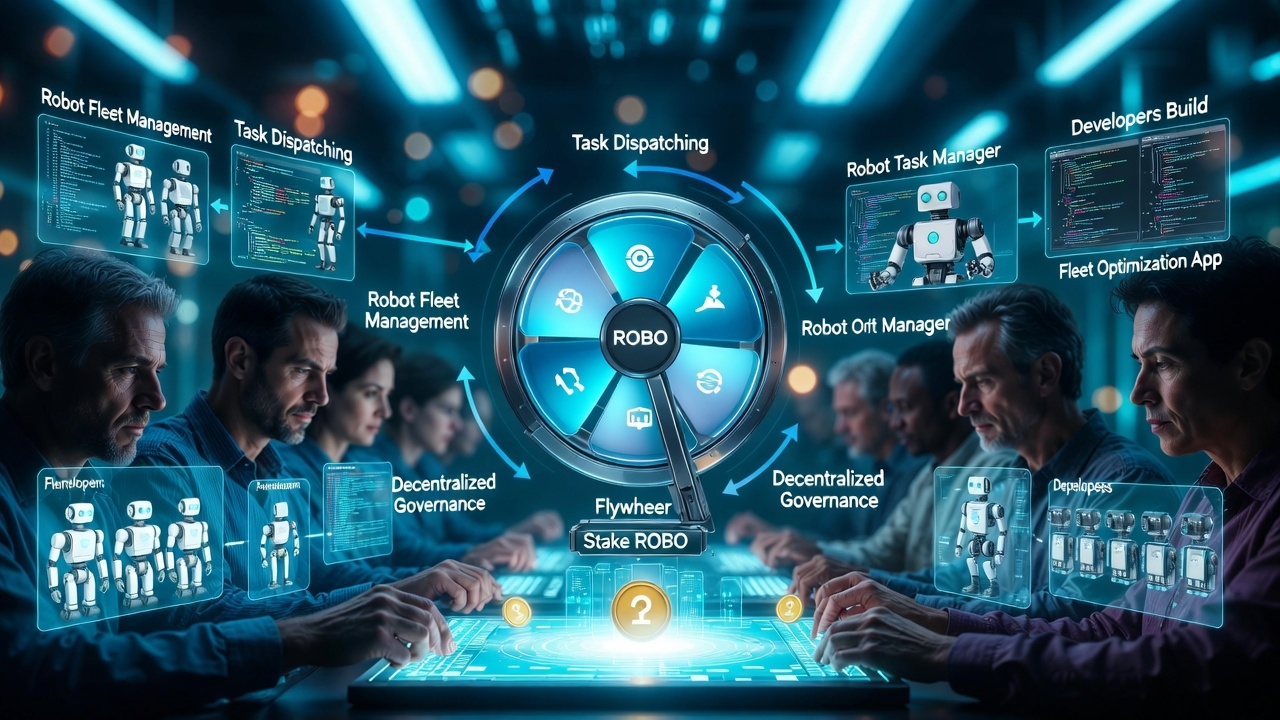
Then there's the flywheel effect. A chunk of fees from robot activities goes back to buying ROBO on exchanges, creating built-in demand as usage ramps up. Developers building apps on top like robot task managers or integration tools have to stake too, weaving growth right into the token's fabric.
What really sets ROBO apart from the AI token pack is its focus on the gritty underbelly. Sure, training LLMs is hot, but Fabric is all about enabling machines to economically interact in the physical realm. It's less flashy, more like plumbing for the future economy. And plumbing, as history shows, often outlasts the fancy fixtures.
Don't get me wrong, it's nascent stuff. The IFR pegs industrial robots at about 4 million globally, mostly caged in factories. Scaling to open, blockchain-verified networks means tackling hacks, fakes, and regulatory hurdles head-on.
Still, the macro trends are hard to dismiss: AI automating more, robots getting nimbler, blockchains orchestrating decentralized ops. As these collide, spots like Fabric's emerge as potential hubs.
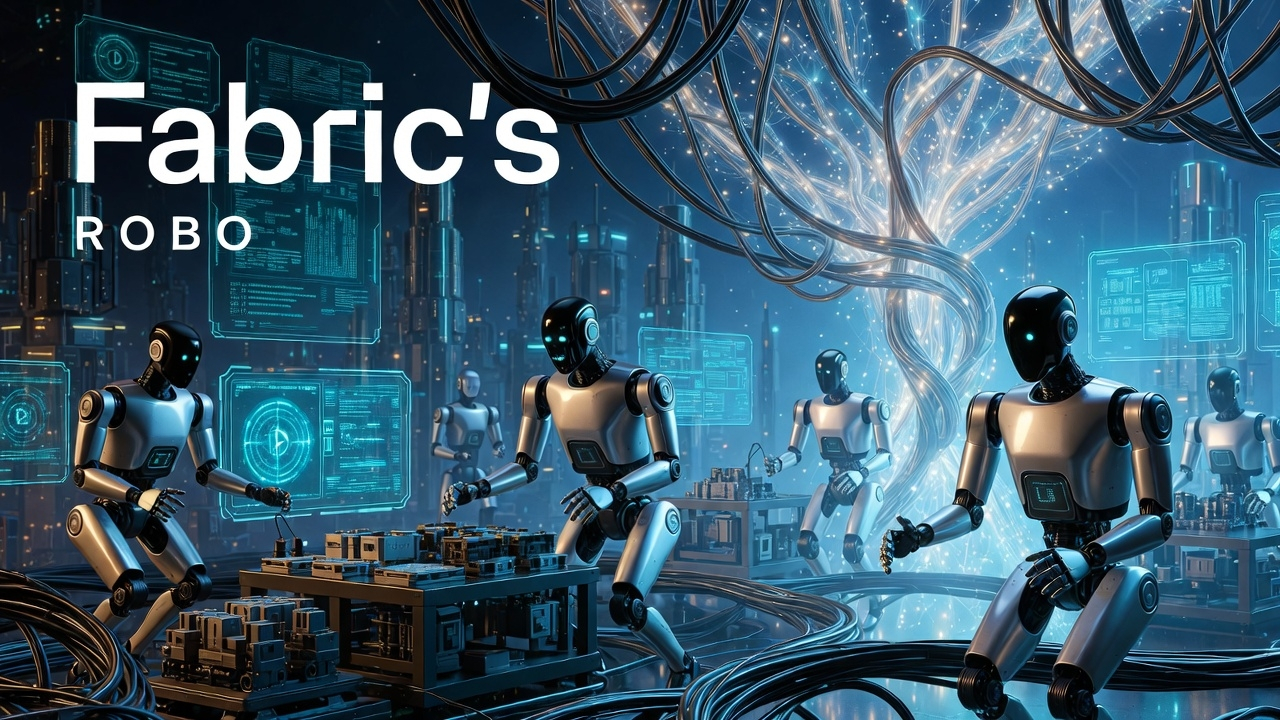
ROBO isn't yelling about moonshots; it's quietly engineering the rails. The robot economy might creep in gradually or explode with the next tech leap. Either way, the base layer being laid here could underpin it all.
That's why Fabric and ROBO are on my radar worth keeping an eye on as machines start claiming their stake in the world.
@Fabric Foundation #ROBO $ROBO
