
🔹 First: General Direction
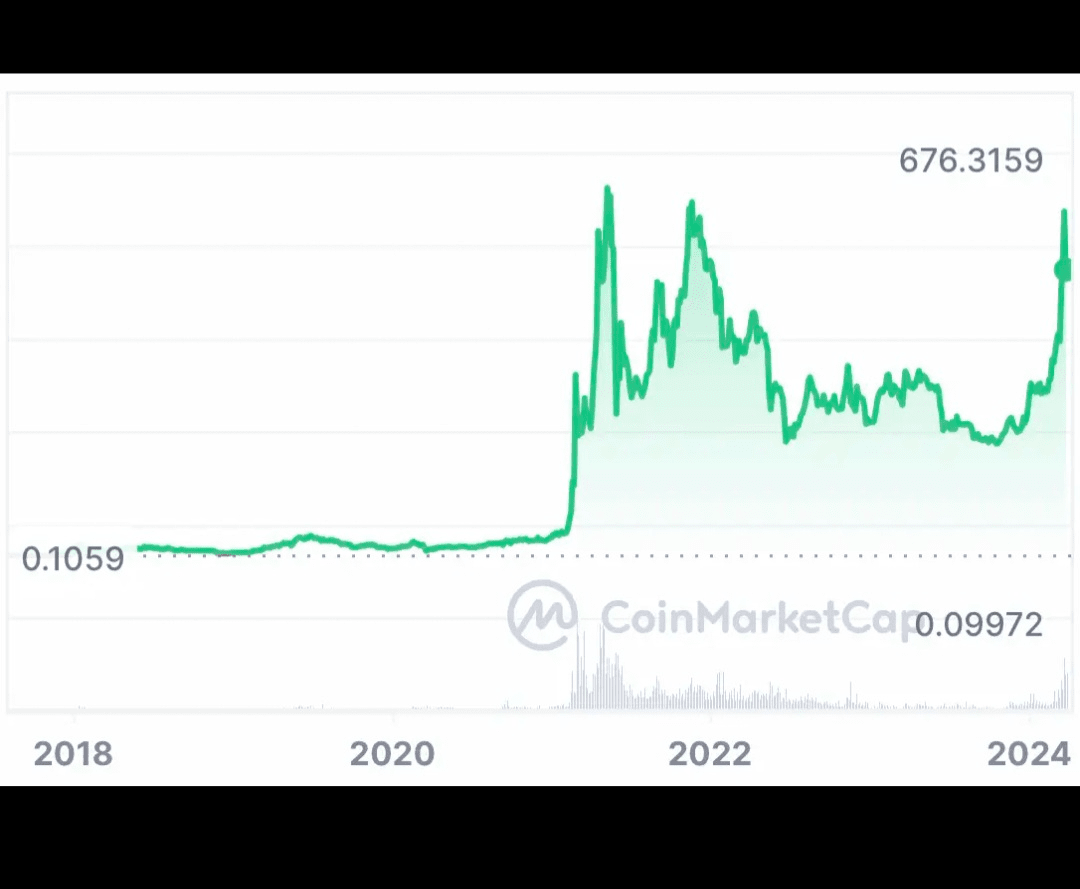
Long-term direction (5 years): Clearly bullish since 2020 despite periods of violent corrections.
Medium-term direction (from mid-2024 to late 2025): Sideways oscillation leaning upwards after breaking previous peaks
🔹 Second: Approximate Support Levels
> These areas are where the price has historically shown clear buying strength and rebounds.
The level (in dollars) Reason for its importance
≈ $420 – $450 Major rebound area after the mid-2024 correction. Many buyers appeared here.
≈ $550 – $580 Recent support turned from previous resistance. Represents the 100-day average on the daily chart.
≈ $680 Dynamic support within the current channel; any clear break below may indicate a deeper correction.
🔹 Third: Approximate resistance levels
> Repeated selling pressure zones from traders who take profits at these levels.
The level (in dollars) Reason for its importance
≈ $800 – $820 Recent peaks the price failed to surpass multiple times, forming a ceiling for the channel.
≈ $855 (previous ATH) The highest historical peak, any firm breakout above it may open the way to new psychological levels.
≈ $900 – $950 Potential targets if buying momentum continues and ATH is broken firmly.
🔹 Fourth: Signals from technical indicators
Moving averages (MA 50 and MA 200): Still giving a positive crossover (Golden Cross), supporting the upward trend.
Relative Strength Index (RSI): Currently near 65–70 on the daily interval, indicating slight overbought conditions, it is advisable to monitor for a reversal before new entry.
Trading volumes: Still relatively high in the $850–$1050 range, which is a sign of genuine market interest.
🔹 Fifth: What does this mean for the investor?
If you are thinking about buying, the areas $550–$580 and $680 are considered “potential accumulation zones” provided strong reversal candles appear.
In the case of a confirmed breakout above $855 with high trading volume, this may represent a signal to continue the rise towards one thousand dollars.
But any weekly close below $850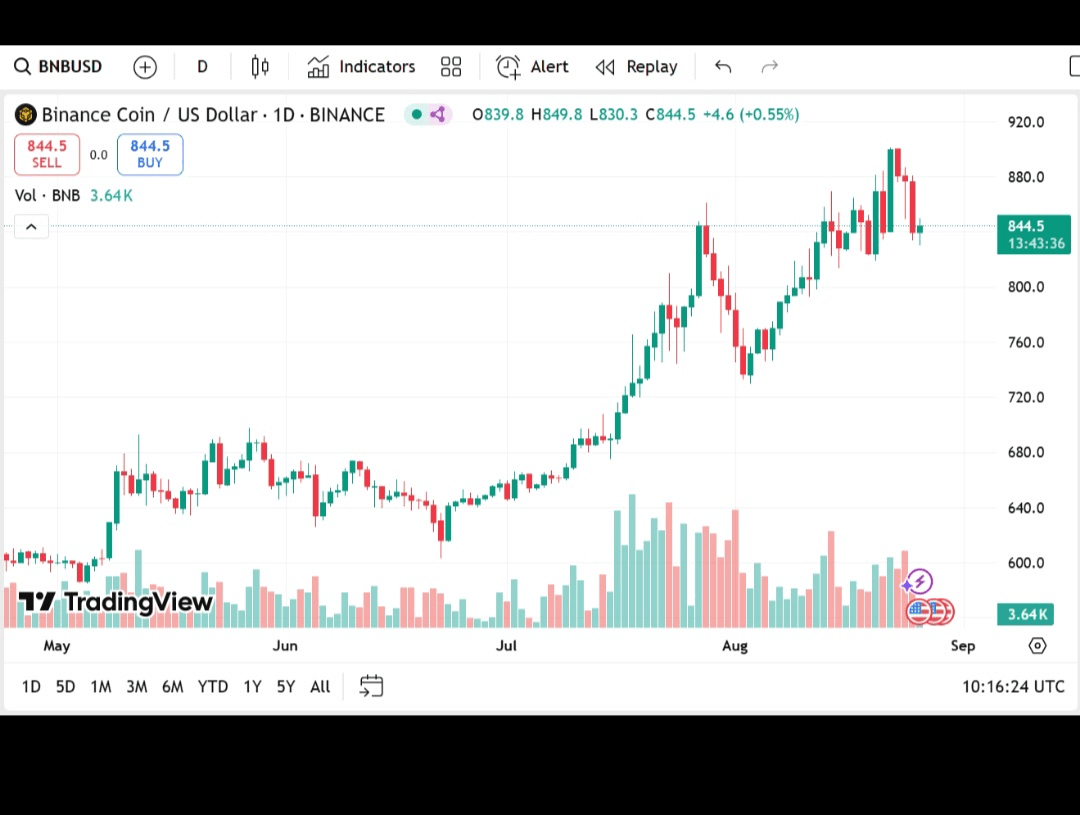
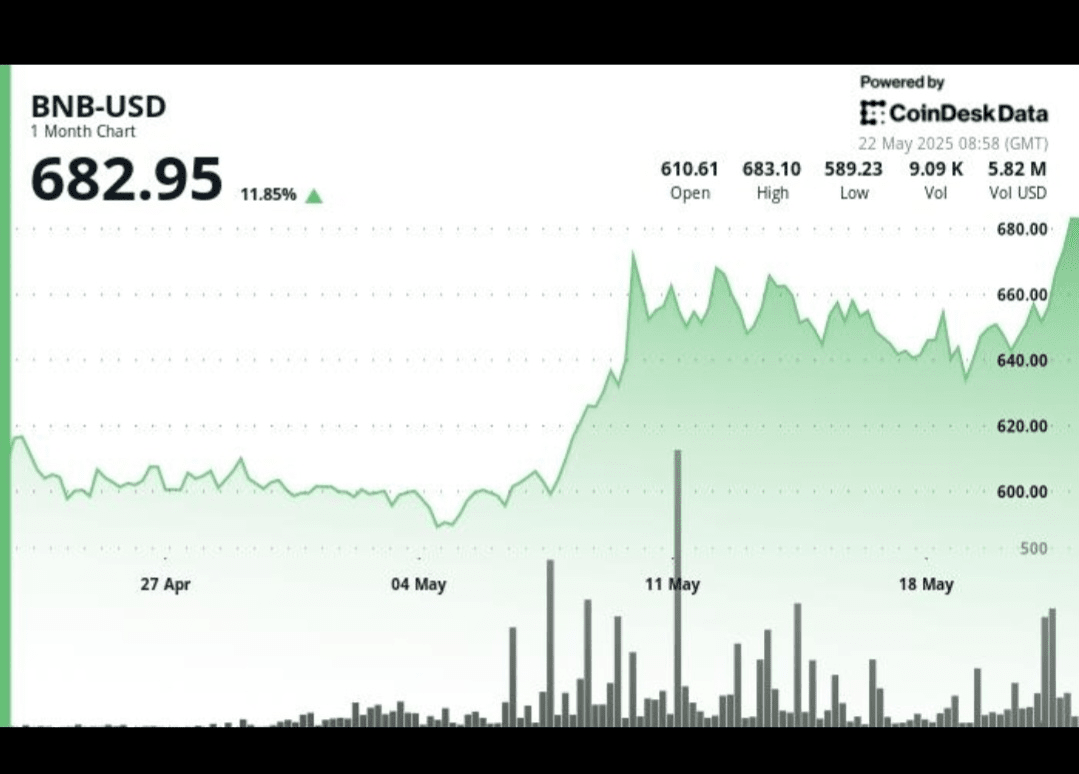 will change the short-term outlook to negative.
