

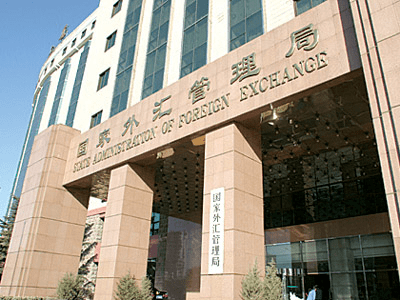
On November 29, 2025, a significant event occurred in China's financial circle that could rewrite the industry landscape! The central bank, along with the securities regulatory commission and several departments, held a high-level meeting, and with the statement that "stablecoins are a form of virtual currency," they completely closed the door on the development of stablecoins domestically. This is not just an ordinary policy adjustment, but a clear stance from the regulatory authorities, drawing an absolute red line that all entrepreneurs who fantasize about the "gray area" must not cross!
1. Policy Interpretation: The red line for China's stablecoin regulation is drawn
On November 29, 2025, the central bank, in conjunction with the securities regulatory commission and multiple departments, clarified that "stablecoins are a form of virtual currency"
The regulatory stance is clear, placing the development of stablecoins within the absolute prohibition range.
Core policy logic: Risk prevention takes precedence over technological innovation.
Clearly defines that stablecoin-related activities are illegal financial activities in the country.


II. International Comparison: Global Stablecoin Regulatory Landscape
China adopts a "comprehensive prohibition" model, prioritizing risk prevention for stablecoins.
Hong Kong, Singapore, the EU and other regions adopt a "regulated development" strategy, establishing detailed regulatory rules.
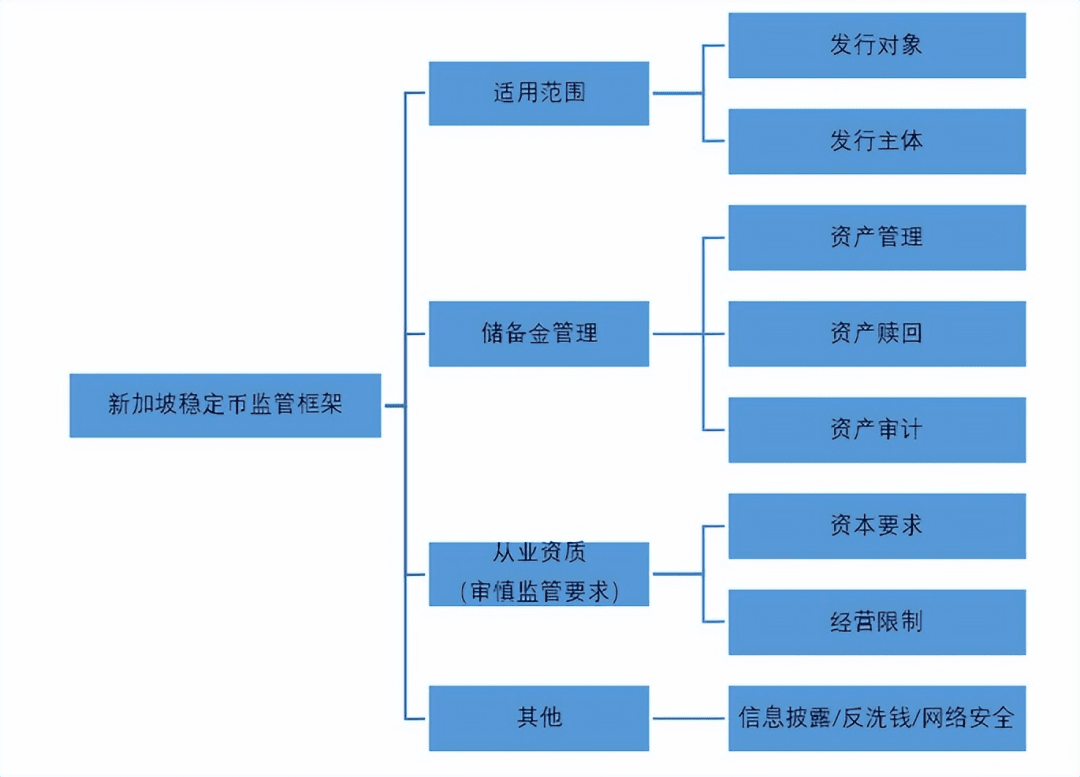
Singapore's regulatory framework is detailed in terms of "reserve management" and "professional qualifications" across multiple dimensions.
The EU MiCA legislation provides a clear legal basis for stablecoin issuance.
International regulatory differences reflect different regional strategies for balancing financial innovation and risk prevention.
III. Risk Analysis: Potential Challenges and Preventive Measures
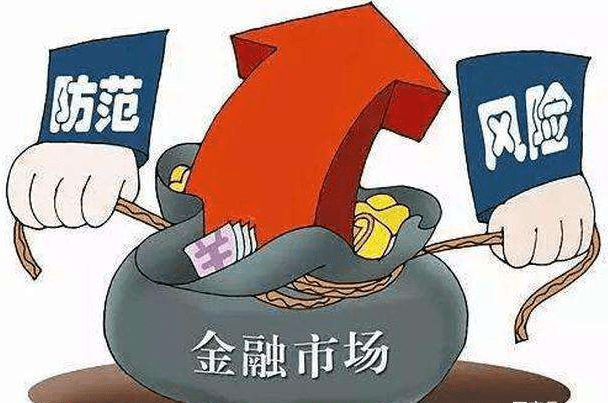
Core regulatory concerns: Stablecoins may become channels for fraud, money laundering, and capital outflow.
There have been multiple financial cases emerging globally due to the lack of stablecoin regulation.
Illegal chain: Fraud scheme → Stablecoin money laundering → Cross-border fund transfer.
China's regulatory strategy: Control risks first, then consider innovative development.
The regulatory balance leans towards: financial stability and capital controls take precedence over technological innovation.

IV. Industry Impact: From Compliance Restructuring to Innovative Transformation
Stablecoin entrepreneurs have only one viable path left: "completely going abroad."
Going abroad requirements: Company, account, audit, users, and licenses must all be overseas.
Strictly prohibit any form of domestic business association, including users and servers.
The industry faces a comprehensive compliance restructuring, and gray area business models will be completely eliminated.
Some companies may turn to regulatory technology or other areas of compliance innovation.
V. Future Outlook: Regulatory Technology and Global Cooperation
Chinese stablecoin entrepreneurs face new opportunities for global market expansion.
Clarification of regulations may encourage the industry to move out of internal competition and explore international markets.
The technological value and application scenarios of stablecoins still exist under compliance prerequisites.
Regulatory Technology (RegTech) may become a new growth point for the industry.
Global cooperation on stablecoin regulation will become an important topic in future international financial governance.
Interactive Discussion
What long-term impacts do you think regulatory policies on stablecoins will have on the cryptocurrency industry? Feel free to share your views in the comments!



#Hawk 🦅🦅🦅🦅🦅🦅🔥🔥🔥
