

Bitcoin (BTC)
$84,885.00
-$6,577.00(-7.19%)Today
1D5D1M6MYTD1Y5Ymax
6:05 PM
📉 Recent Snapshot of Bitcoin (BTC)$SOL
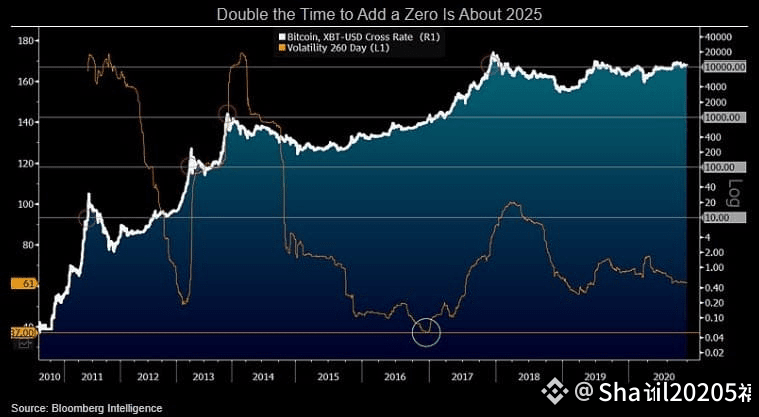
After reaching near-record highs in October 2025, Bitcoin has faced sharp declines. The price recently dropped below $86,000. Reuters+2Business Insider+2
The sell-off was driven by a mix of factors: risk-off sentiment in global markets, weak demand, and significant outflows from Bitcoin spot ETFs. Reuters+1
According to technical-analysis experts, key near-term support now lies around $80,400, while resistance — if sentiment recovers — may reach ≈ $97,100. BeInCrypto+1
🔎 What’s Behind the Drop — and Could It Bounce Back?
Why the fall?
Forced liquidations, risk-averse investors, and reduced liquidity in crypto markets helped spark the recent decline. mint+2Business Insider+2
The downturn is also different from earlier crashes: this one involves large institutional players, macroeconomic headwinds, and shifting monetary-policy expectations — factors that make recovery potentially more challenging. Business Insider+2Nasdaq+2
Why there’s still hope:
Some analysts foresee a possible rebound if institutional demand resumes and macroeconomic conditions ease. CoinDCX+1
Historically, while December averages have been mixed, there’s occasional year-end upside — especially if markets recover sentiment. Nasdaq+1
Meanwhile, supply-side constraints (given Bitcoin’s fixed supply) and potential renewed inflows could counteract downward pressure. CoinGecko+1
⚠️ Key Risks That Could Drag BTC Further$SOL
If macroeconomic uncertainty persists (e.g., no interest-rate cuts or broader economic stress), demand for risk assets like cryptocurrencies could remain depressed.
Reduced liquidity — especially from ETF outflows — may make Bitcoin’s price more vulnerable to sharp swings.
Loss of confidence among large institutional holders could trigger additional selling pressure, deepening a downturn.
✅ What to Watch in the Near Term
Whether Bitcoin can hold support around $80,000–$85,000 — if it breaks below that, further downside is possible.
Market-wide sentiment: macroeconomic indicators, interest-rate outlooks (especially in major economies), and global risk trends.
Institutional flows: ETF inflows/outflows and how big players are positioning themselves.
Regulatory or geopolitical developments that could affect global crypto demand or investor risk appetite.#BTC86kJPShock #BinanceHODLerAT #USJobsData #WriteToEarnUpgrade #TrumpTariffs


