

@Yield Guild Games #YGGPlay $YGG
Yield Guild Games (YGG) has never been the type of organization that buys every NFT that crosses its feed. Its strategy looks more like a disciplined investment desk mixed with the instincts of seasoned gamers. Everything revolves around one core idea: acquire digital assets that meaningfully improve a player’s experience and earning potential. In practice, this means finding items that give players real utility, steady rewards, and access to the strongest in game economies.
So how does YGG pinpoint which NFTs and game assets are actually worth holding? It all starts long before a purchase is ever made.
1. Gameplay First: If the Game Does Not Hold Up, Nothing Else Matters
The first filter is brutally simple: is the game any good?
YGG evaluates gameplay the same way players do: mechanics, progression, competitiveness, and long term replay value. They actively look for titles that spark that “one more mission” energy rather than offering short lived hype.
Community strength is just as important. A thriving Discord, active X (Twitter) threads, a steady stream of livestreams, and interest from other guilds are early signals that a game will last. In 2025, with so many Web3 games launching every month, longevity matters more than ever. If a game cannot attract committed players, YGG will not touch its NFTs no matter how polished the artwork or marketing is.
2. A Deep Dive Into the Game Economy
Even a fun game can collapse if the economy behind it is weak. YGG studies the economic design like analysts reviewing a startup’s business model.
They examine:
How rewards circulate
How often new NFTs are created
The balance between players, asset holders, and developers
Whether earning pathways make sense without relying on endless new signups
Above all, YGG looks for NFTs that actually matter in gameplay. Powerful characters, high tier equipment, land plots, guild tools, boosters, or unique access items—anything that gives players a competitive edge or opens new earning routes. Cosmetic or low impact NFTs rarely make the cut. If the earning model looks unsustainable or inflation heavy, YGG moves on quickly.
3. Scholarship Compatibility and Ease of Management
A large part of YGG’s ecosystem revolves around scholars players who use guild owned assets to participate in games and share in the rewards. This makes asset usability a major factor.
YGG asks:
Can the NFT be easily lent or delegated?
Is it simple to track performance?
Does it work for team based content like raids, tournaments, or co op missions?
Will it help scholars level up faster or earn more reliably?
The guild favors assets that help scholars win more battles, complete more quests, or participate in high value activities. Items that look good but offer no real advantage rarely make it into the vault.
4. Liquidity and Market Strength
NFTs with no liquidity are dead weight.
YGG carefully examines:
Daily trading volume
Marketplace depth
How fast an asset can be bought or sold
Whether demand is organic or artificially inflated
High liquidity items in top tier games or assets from upcoming games with strong momentum are preferred. This flexibility matters because it allows the guild to rebalance positions or exit markets without taking heavy losses if conditions change. As of 2025, YGG has started partnering directly with NFT marketplaces, letting them monitor liquidity trends in real time.
5. Diversification and Risk Balancing
No matter how promising a game looks, YGG does not put all its chips on one table.
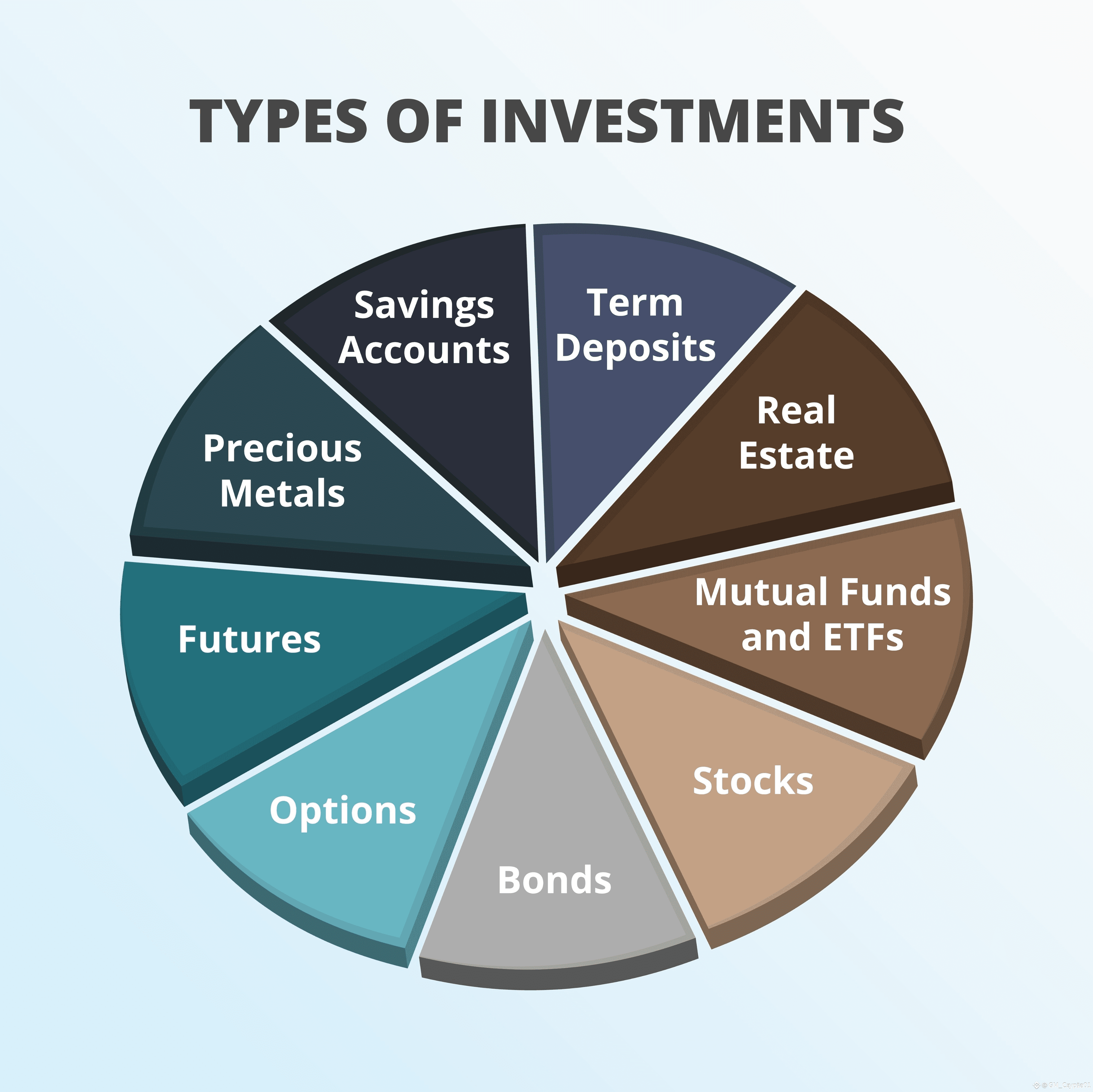
Their diversification strategy spreads assets across:
Genres (RPG, strategy, shooters, sports, MMOs)
Chains (Ethereum, Ronin, Solana, Immutable, Polygon, and emerging L2s)
Stages (early access, beta, fully launched)
This protects the guild from sudden developer issues, market downturns, or game closures. With Web3 gaming still young, risk management is essential.
6. Data Driven Decision Making
One thing that sets YGG apart today is how data heavy its approach has become.
The guild monitors:
Scholar earnings
Session activity
Win/loss ratios
Asset ROI
Player retention
Asset specific performance inside games
If an asset stops performing, they cut exposure. If a game’s metrics start climbing active users, tournament activity, marketplace volume they scale up their positions. In 2025, YGG added analytics dashboards for community members, letting players see which assets deliver the best returns across different games. This transparency strengthens the guild and improves decision making across the entire community.
7. Community Input and Emerging Signals
YGG’s community is still one of its strongest signals. Scholars and players are often the first to notice promising games or assets that outperform early expectations. YGG pays close attention to:
Guild feedback
Regional player trends
Early tournament performance
New meta shifts in competitive games
This grassroots input often shapes the guild’s strategy as much as any spreadsheet.
The Bottom Line: YGG Buys Utility, Not Hype
At its core, YGG’s approach is practical. Every decision revolves around one question: “Will this asset help players earn more, progress faster, and stay engaged?” If the answer is yes, YGG steps in.
If not, they pass, no matter how loud the hype gets. In a gaming world where speculation can overshadow real value, YGG’s method stands out: research deeply, prioritize players, and only acquire assets that strengthen the entire ecosystem.

