
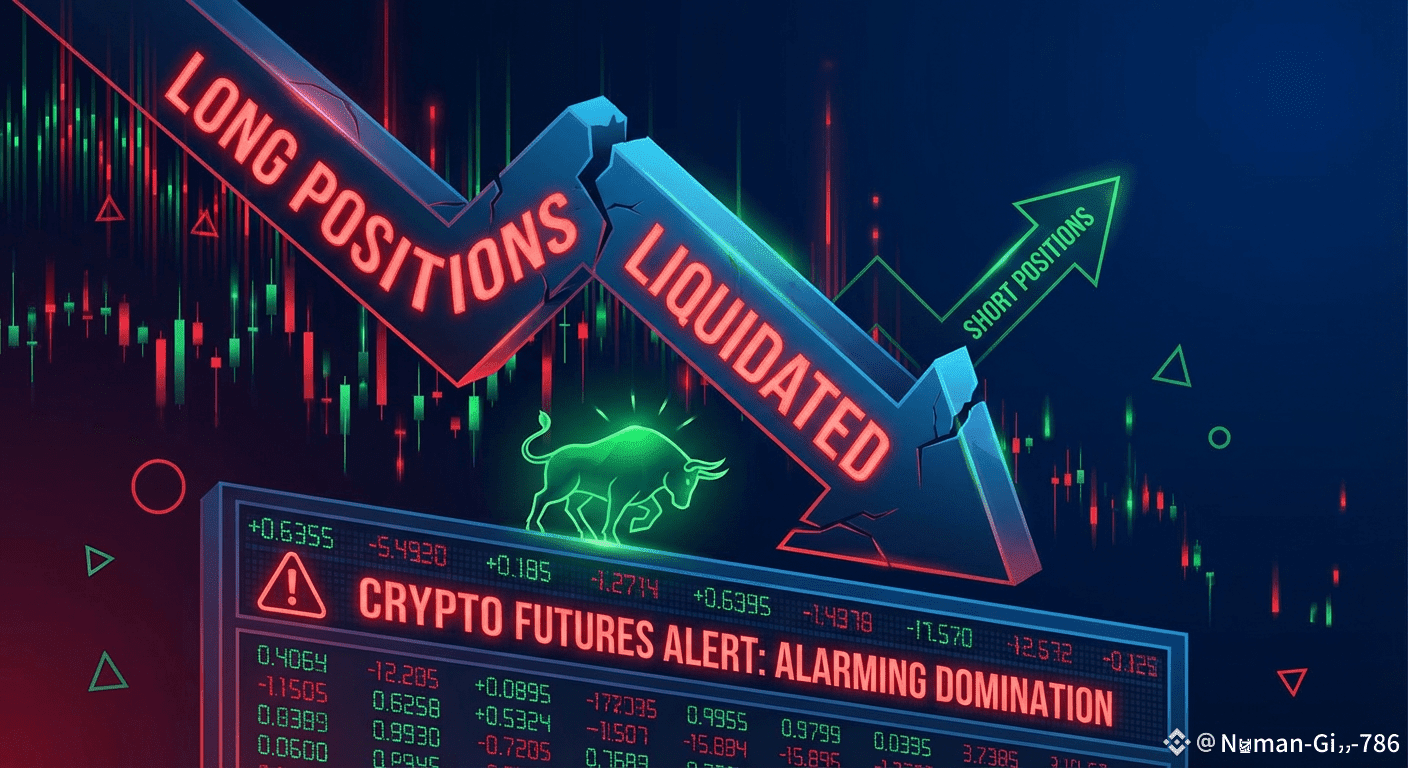
The cryptocurrency market has once again delivered a sharp reminder of its inherent volatility. Over the past 24 hours, a surge of crypto futures liquidations swept across major exchanges, with one group taking the hardest hit: traders betting on rising prices. This wave of forced closures offers valuable insight into current market sentiment and the risks tied to leveraged trading.
A Glimpse Into the Latest Liquidations
The data from the last day highlights a striking imbalance. Perpetual futures—popular among retail traders for high leverage—saw widespread liquidations dominated heavily by long positions. In simple terms, traders who borrowed funds to amplify bullish bets were caught off-guard as the market dipped. This indicates a sudden reversal in short-term momentum and suggests that the market may have been overly leveraged on the upside.
Breaking Down the Numbers: BTC, ETH & SOL
The liquidations spread across several major cryptocurrencies, revealing a consistent market-wide trend:
Bitcoin (BTC): Total liquidations reached $147 million, of which 88.9% (around $130.7 million) were long positions.
Ethereum (ETH): Approximately $98.68 million in liquidations, with 82.81% (about $81.7 million) coming from longs.
Solana (SOL): Posted $21.78 million in liquidations, where 88.59% were long positions.
The numbers clearly show that bullish traders absorbed the majority of the losses.
Why Were Longs Hit So Hard?
To understand why long positions dominated this liquidation wave, it’s essential to consider trader behavior. After periods of rising prices, bullish sentiment tends to spike. This often leads to increased leverage as traders chase bigger gains. When the market unexpectedly dips—even slightly—these over-leveraged long positions become vulnerable, triggering margin calls and liquidations. In essence, too many traders were leaning in the same direction.
What Traders Can Learn From This
This event isn’t just another data point—it’s an important reminder for anyone trading crypto futures:
🔸 Prioritize Risk Management
Avoid excessive leverage and always set stop-loss orders, especially in volatile conditions.
🔸 Use Sentiment as a Warning Signal
Extreme bullishness often precedes corrections. Monitoring liquidation heatmaps can offer early clues.
🔸 Expect the Unexpected
Crypto markets can reverse suddenly. Only trade with capital you can afford to lose.
Conclusion: Moving Forward in the Futures Market
The recent dominance of long liquidations underscores the dual nature of crypto futures: high reward potential paired with significant risk. While these liquidation waves can be painful in the short term, they also help clear excessive leverage—resetting the market for more sustainable movements. Traders who focus on discipline, capital protection, and market awareness will be better positioned to navigate future volatility.
Frequently Asked Questions (FAQs)
What are crypto futures liquidations?
A liquidation occurs when an exchange forcibly closes a trader's leveraged position because their collateral is no longer sufficient after an adverse price movement.
Why were long positions liquidated more than shorts?
A sudden market drop triggered margin calls for leveraged traders who were betting on rising prices. The market had become heavily skewed toward bullish positions.
Are large liquidation events harmful to the market?
They cause short-term volatility and losses for traders, but they also reduce excessive leverage, which can strengthen overall market stability.
How can I avoid liquidation?
Use lower leverage, apply stop-losses, monitor your margin closely, and avoid risking more than you can afford to lose.
Do mass liquidations signal a market top or bottom?
Not always. While huge long liquidations can sometimes indicate temporary bottoms, they should be used alongside other indicators—not as a standalone signal.
Where can I track liquidation data?
Platforms like Coinglass and Bybt offer real-time liquidation charts and heatmaps.
Share Your Thoughts
Did this breakdown help you understand what’s happening in the futures market? Share this article on Twitter or Telegram and start a conversation about risk management and market sentiment—an informed community is a stronger one.
For more insights into crypto trends, check out our analysis on major developments shaping Bitcoin and Ethereum price movements.


