
First, he has never even visited the official ETH website, yet he has heavily invested in ETH.
A few days ago, I talked to a friend offline about the recent market trends. He just entered the crypto space this year, and he mentioned that he chased the ETH rebound a few days ago, buying spot at over 3200, and now it has dropped back to 3000, resulting in another loss.
He also explained why he wanted to buy; he said he saw news that many people were holding, including institutions, and he wanted to hold as well to make a quick profit and then sell immediately.
I curiously asked him if he had ever clicked on ETH, and he said of course he had; how could he buy it without looking?
I mentioned the ETH website, Etherscan, and he looked at me curiously. He said that doesn't matter; he's seen many big influencers not mention these things and still make money.
This indeed holds during a bull market. However, when the market worsens, not understanding can easily lead to panic, and panic leads to chaotic operations.
Understanding is not for appearing professional, but to make fewer fatal mistakes during volatility.
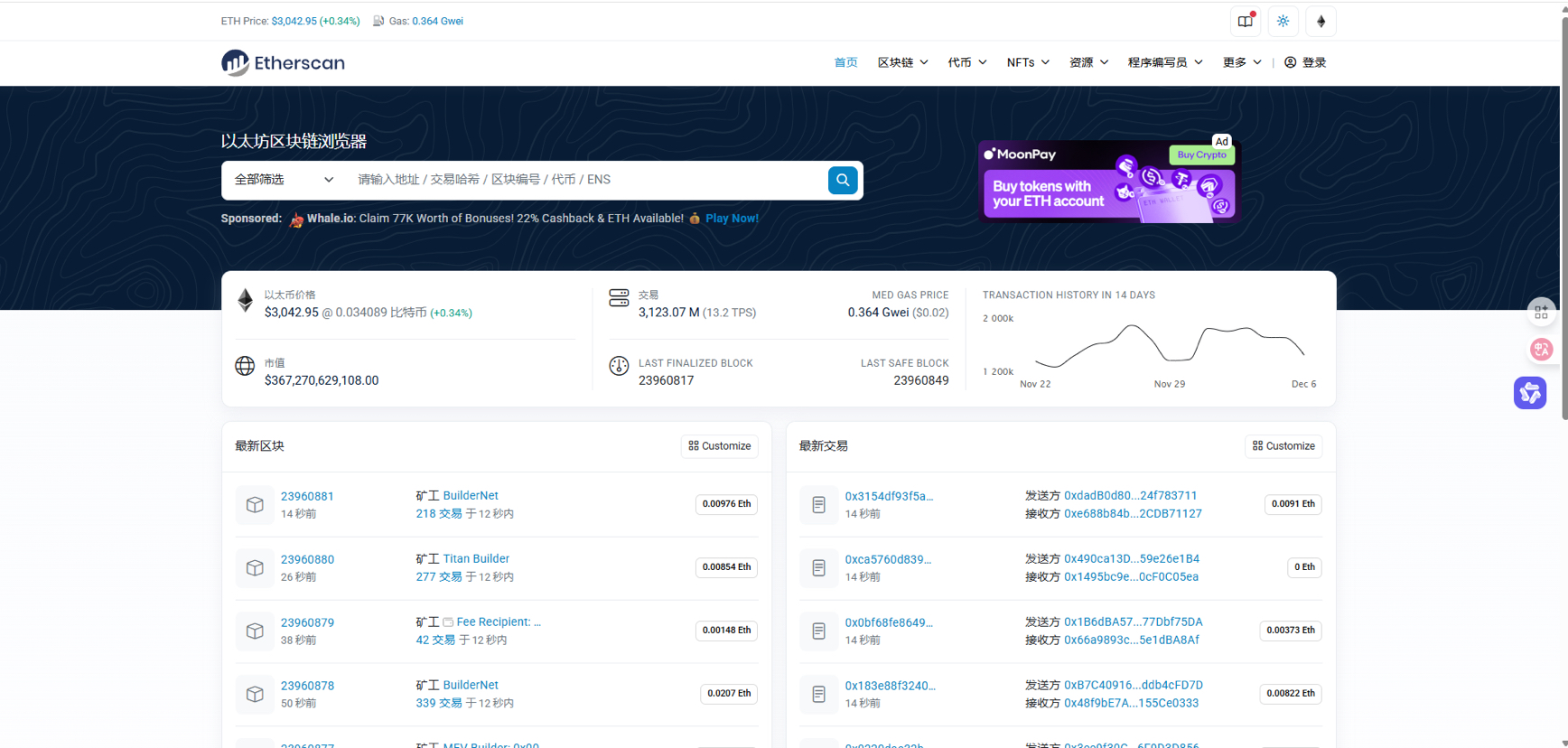
Two, first understand the fundamentals of the 'target' you want to invest in.
I think if you hold an asset, you need to first understand what that asset does and know its fundamentals. For example, with ETH, you don't need to be a developer, nor do you have to write contracts or run nodes.
But at the very least, one should know:
What kind of system is ETH?
What problem is it solving?
How is gas generated?
Why does layer exist?
Many people say you can make money without knowing these things, which may indeed hold true in a bull market or a fluctuating market. However, when the market worsens, not understanding can lead to panic, and panic leads to chaotic operations.
Understanding is not for the sake of looking professional, but to make fewer mistakes during volatility, to know what you hold, and to be able to sleep soundly.
Three, what exactly does ETH do?
1. A global decentralized 'world computer'
The core value of ETH is as a decentralized operating system.
It is: A public platform that can run smart contracts.
Whether it's DeFi lending, NFT trading, or on-chain gaming, all application logic must run, verify, and settle on ETH, this 'world computer'.
As long as human society has a demand for applications that are 'decentralized, transparent, and tamper-proof', the foundational value of ETH will always exist.
2. The 'fuel' for network operations
The ETH token is the only fuel (gas) for this system.
Its significance: Every time you perform an operation on the ETH chain, you need to consume ETH as gas fees. Most of this fee will be burned by the system.
Value capture: The burning mechanism makes ETH a deflationary asset. As usage increases, ETH becomes increasingly scarce.
Holding confidence: When you see ETH's price drop, if you know that gas fees are still huge, it indicates the network is still busy, and projects are still developing, which will stabilize your confidence.
3.: The 'collateral' for network security
ETH is still the ultimate collateral for securing network safety.
Its function: You can stake your ETH, becoming a validator for the network. This not only allows you to earn a compound interest of 3% to 5%, but more importantly, your staking behavior provides security for the entire network.
Holding confidence: The only reason to hold ETH during volatility is that your asset is earning you additional compound interest.
Summary:
I think it's not necessary to buy ETH, but when holding an asset long-term, understanding is the real safety net; otherwise, any pullback might shake your faith.
(I am progressing from traditional financial investment to cryptocurrency investment, often reflecting and sharing rational understanding, gradually compounding. Follow me, and let’s grow together long-term.)


