
Whenever I look at how @Yield Guild Games YGG has shaped the Web3 gaming landscape, one idea keeps coming up again and again the gamification of labor. And I don’t mean the shallow version of gamification that we see in typical apps or onboarding flows. What YGG is doing goes much deeper. They’re redefining what digital labor looks like, who gets to participate in it, and how value flows between players, creators, and game ecosystems. It’s a transformation that feels both exciting and unsettling in the best way, because it forces us to rethink what work even means in the #Metaverse era.
At first glance, it might seem strange to connect labor with gaming. Games have always been a space of escape, entertainment, and storytelling. But what Web3 introduces and what YGG amplifies is the idea that the time, skill, and creativity players invest in games actually produce measurable value. In the past, a player could grind for hours, help shape in-game economies, create community culture, or craft rare items, yet none of that value belonged to them. It all flowed upward to corporations. YGG challenged that structure by showing that players are not just consumers; they are contributors, and sometimes even co-builders of these digital worlds.
The interesting part is how naturally this shift happened. When YGG scholars first stepped into Play-to-Earn games, the concept of labor was straightforward: you play, you earn, you share rewards with the guild. But as the ecosystem evolved, something more complex emerged. Play was no longer just play. It became strategy, coordination, social interaction, asset management, and even leadership. What used to be called “grinding” became a form of economic participation. The lines between hobby and job blurred, and many players began treating their digital activities with the seriousness of real work.
What fascinates me most is how the guild structure enhances this dynamic. Guilds have existed in games for decades, but Web3 guilds like YGG operate differently. They function less like social clubs and more like decentralized organizations. People take on roles based on their strengths. Some become strategists, others become community leaders, analysts, content creators, testers, or economic researchers. These are real roles with real value, even if they exist inside a virtual economy. YGG didn’t invent these roles the community did. The guild simply gave them structure.
As this new kind of labor took shape, it became clear that players were doing far more than earning tokens. They were learning digital literacy, financial skills, teamwork, communication, and project coordination. For some, the guild became a stepping stone to careers outside gaming. For others, it became a long-term path within the Web3 ecosystem itself. And that’s where the idea of gamified labor becomes powerful. Instead of forcing people into rigid job structures, it allows them to express themselves, build communities, and participate in global economies on their own terms.
I think of course this shift also raises important questions about sustainability. YGG has been very open about the fact that extractive models aren’t the future. Clicking buttons endlessly for token rewards isn’t meaningful labor. It isn’t fun, and it’s not sustainable in any digital economy. The future, as YGG sees it, is labor tied to creativity, collaboration, cultural contribution, and skill. In a sense, work in the metaverse becomes more like craftsmanship something that grows in value as the player grows in expertise.

This is where things get interesting. When players contribute meaningfully to a world, the world becomes richer. And when the world becomes richer, more opportunities open up. YGG becomes the bridge that connects players to those opportunities. It is not simply a guild that lends assets. It is an organization that helps people find their digital role, expand their skills, and enter economies that reward them for what they bring to the table. This is labor, but it’s not the labor we’re used to. It’s labor shaped by play.
Something else that stands out to me is how collaborative this entire ecosystem is. Work in traditional environments often happens in isolated roles, but in YGG, collaboration is the default. People come together to solve problems, master games, build strategies, host events, and support one another. Labor becomes social. And because of that, it becomes more enjoyable. You are not just performing tasks you’re participating in something collectively meaningful.
Over time, you start to see how YGG is not only gamifying labor but redefining what “work-life balance” means. The guild blurs the boundaries by allowing people to pursue meaningful digital work without sacrificing the joy of play. Instead of choosing between work and gaming, players experience a world where work happens through gaming, and gaming leads to real-world growth.
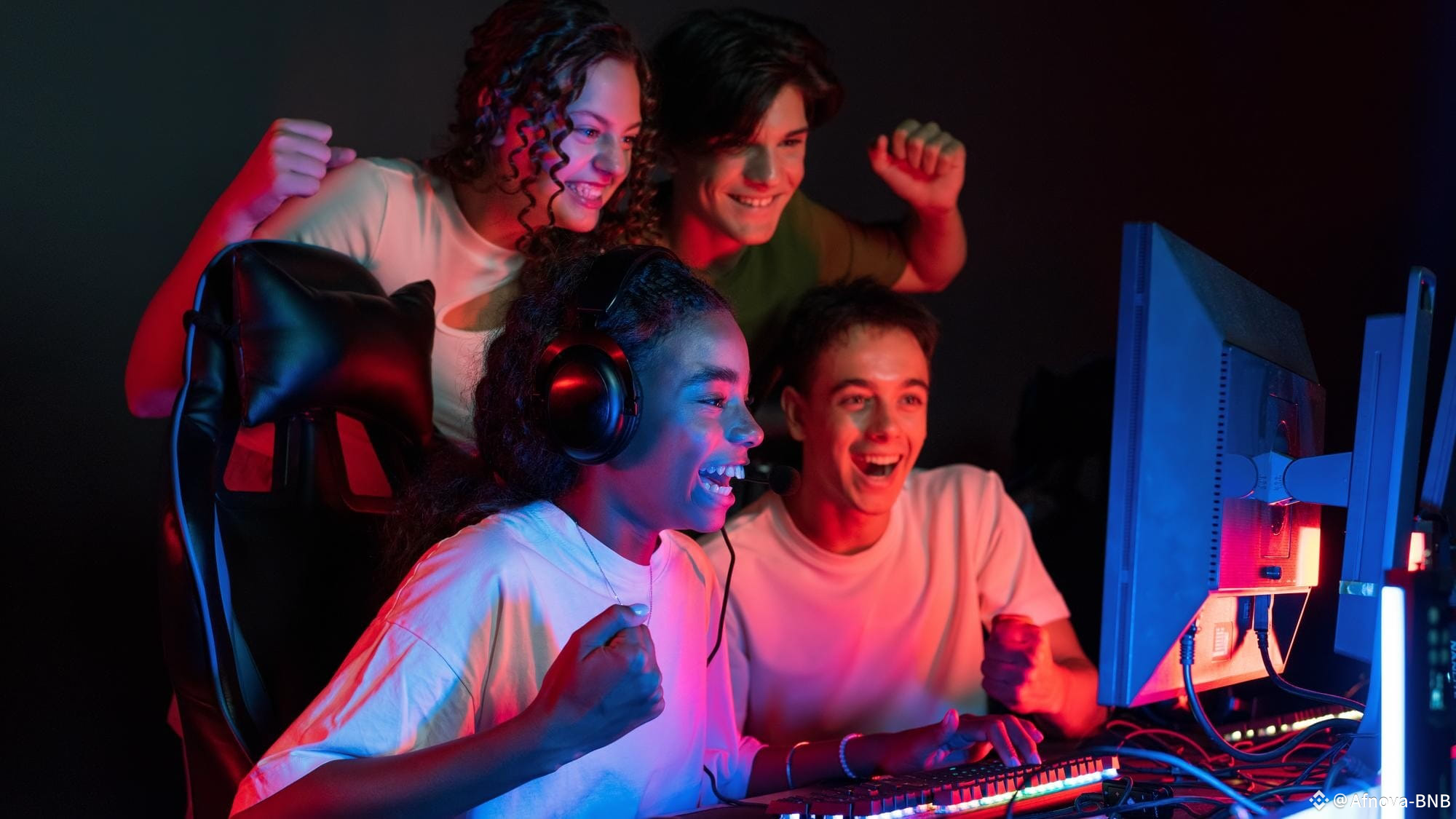
The gamification of labor through YGG isn’t about trivializing work or turning everything into a quest. It’s about recognizing that digital worlds create real value and that players deserve to participate in that value. It’s about embracing a future where labor is more flexible, more creative, more collaborative, and more enjoyable than anything we’ve experienced before.

To be honest when I see how YGG continues to expand its community, education initiatives, partnerships, and global presence, it becomes clear that this isn’t just a trend. It’s a new way of thinking about how humans work, play, and build together in a digital age. YGG didn’t just add gamification to labor they unlocked a new philosophy of digital participation.
