
When I think about the cultural impact of @Yield Guild Games I realize it’s something much bigger than Web3, bigger than gaming, and even bigger than the early Play-to-Earn movement that made YGG a global name. What YGG created often without even trying to was a cultural shift in how people think about digital communities, ownership, economic opportunity, and the power of collective identity inside virtual worlds. And that kind of impact is rare, especially in a space that moves as quickly as crypto.
One of the first things that stands out to me is how YGG redefined what a guild could be. Before YGG, guilds in gaming were mostly about camaraderie and teamwork inside a single game. They were social groups with shared interests, but their influence rarely extended beyond the game screen. YGG changed that entirely. Suddenly, a guild wasn’t just a place to play together it became a place to learn, earn, grow, and build digital identities that mattered both inside and outside of games.
Players went from strangers to guildmates, from guildmates to collaborators, and from collaborators to members of a global network that transcended borders. That shift alone reshaped gaming culture, because it created a sense of belonging that wasn’t tied to one title or franchise. YGG became a community that lived across multiple worlds.
Another major cultural impact came from the democratization of opportunity. Before Web3 gaming, you could spend thousands of hours building a character or earning rare items, and you would never truly own any of it. Everything belonged to the company behind the game. YGG helped shift this mindset by showing that players could participate in digital economies on their own terms. Ownership became more than a concept it became a cultural norm.
For many communities, especially in Southeast Asia, this shift wasn’t just symbolic. It was life-changing. People who had never touched crypto before were suddenly earning from gaming, joining digital economies, supporting their families, and building skills that opened doors beyond anything they had imagined. And the amazing thing is that it wasn’t just the earnings themselves that changed lives. It was the sense of empowerment. It was the realization I can be part of this global digital movement. Understand economies, avoid scams, and improve game strategies.
This collaborative learning culture didn’t just make better players. It made better digital citizens. And in many ways, it demonstrated that the future of the metaverse isn’t built by experts it’s built by communities that learn together.
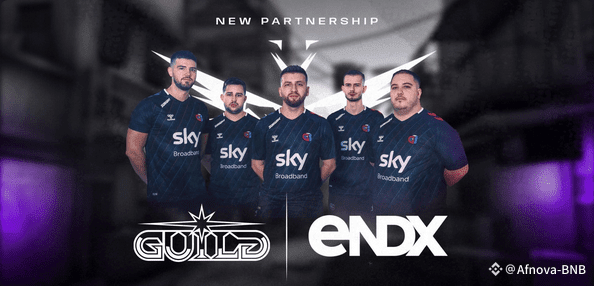
Suddenly, gaming wasn’t “just a hobby.” For many, it became work, community, and creative expression. It became a pathway to digital professionalism. And this shift forced the world to take gaming more seriously not as entertainment, but as a new frontier of participation in the emerging digital economy.
YGG also had a cultural impact on game developers. When YGG started scaling, developers began to understand that success in Web3 wasn’t just about game mechanics. It was about building economies, designing for ownership, and creating experiences that reward community contributions. YGG became a bridge between players and developers. Guild members provided feedback, tested early builds, and shaped how new Web3 games were designed.
Developers listened because they recognized that guilds like YGG represented the heartbeat of the metaverse’s future player base.about building economies, designing for ownership, and creating experiences that reward community contributions. YGG became a bridge between players and developers. Guild members provided feedback, tested early builds, and shaped how new Web3 games were designed. Developers listened because they recognized that guilds like YGG represented the heartbeat of the metaverse’s future player base.
That history of influence doesn’t happen often. It’s the kind of cultural leverage that comes from being early, being organized, and being deeply connected to the communities that matter most.
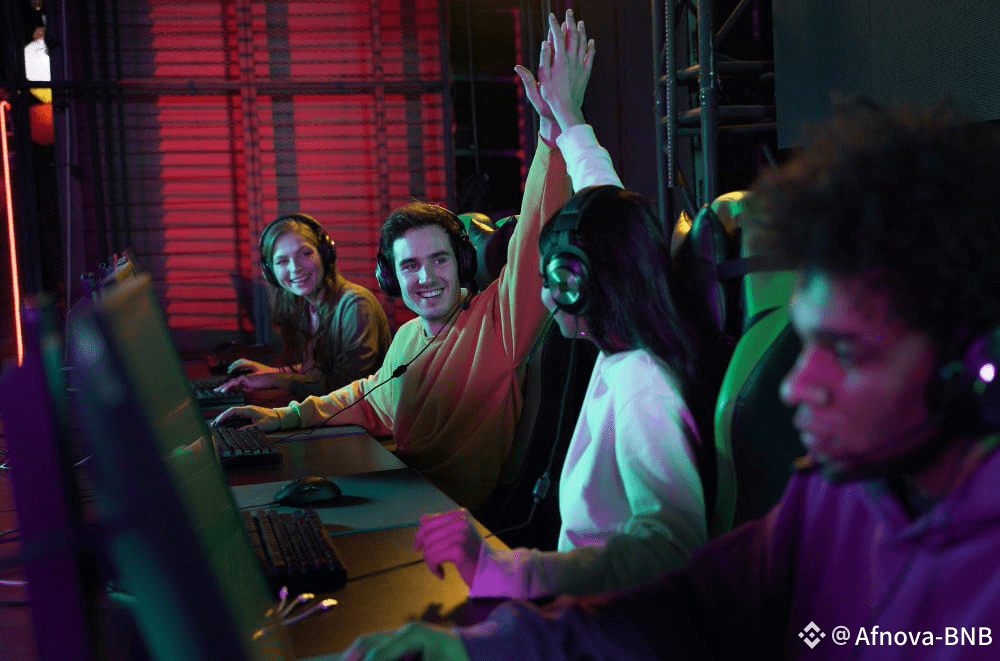
But maybe the most beautiful cultural impact of YGG is the sense of identity it created. YGG isn’t just a guild; for many people, it’s part of who they are. It’s their digital tribe. Their support system. Their entry point into global conversations. Their space to grow and belong.
This identity transcends games, borders, languages, and backgrounds. When someone says “I’m part of YGG,” it communicates more than membership. It communicates shared values: collaboration, curiosity, empowerment, resilience, and community-driven growth. That identity has shaped how digital communities everywhere operate. It influenced countless guilds, DAOs, and creator collectives that now use similar structures. Where players matter, where communities lead, and where digital worlds become real spaces of connection and opportunity.
As the #Metaverse grows, the world will continue borrowing from the culture YGG helped create. And the communities that were shaped by it will carry those values into every digital world they enter.

