
Weighing the Potential of AI-Blockchain Infrastructure vs. Token Distribution Reality
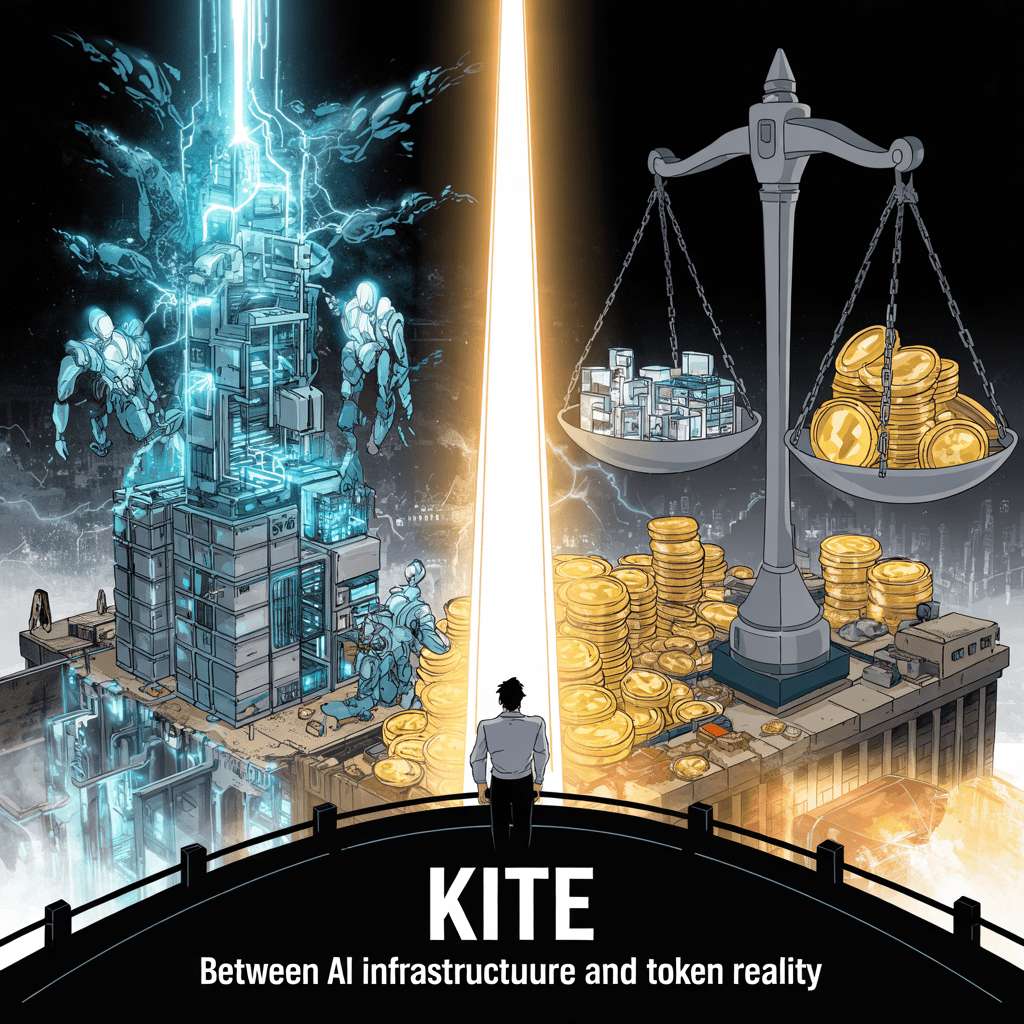
Since its launch, KITE has received a lot of attention due to its vision of bridging artificial intelligence and blockchain through infrastructure that allows AI agents to transact, have verified identities, and make micro-payments automatically. Technological designs such as layered identity systems and fast payment mechanisms promise something new in the crypto world, especially in the AI-native blockchain segment.
However, this great ambition also brings real challenges, especially from the tokenomics side. The total supply of KITE is set to reach 10 billion tokens. Some tokens are not yet in circulation (vesting, ecosystem allocation, team, investors, etc.), so the current circulation is relatively limited. Pressure from the potential unlock of tokens in the future could become a burden if not balanced with an increase in real utility or active adoption.
The listing phase and early adoption indeed offer hope: KITE has been available on several major exchanges and gained market interest during its initial trading debut. However, history shows that many crypto projects reach listing with high hype but then face challenges when it comes to proving long-term utility. For KITE, that utility means adoption as infrastructure for AI agents, not just speculative collateral. If expectations are only based on price fluctuations, the risk of decline when sentiment wanes will be real.
From a realistic perspective, both investors and ecosystem participants need to pay attention to two main things. First, whether the community of developers and active users is large enough to build a vibrant ecosystem, so that the token does not only function as a speculative tool. Second, how the token unlock mechanism and distribution are carried out, transparency in vesting, unlock schedules, and token distribution to the community become key to maintaining trust and value stability.
In this context, creativity is not just about technological vision, but also about how the team behind KITE manages token distribution and builds the ecosystem sustainably. Professionalism is tested by the extent to which transparency, communication, and roadmap are executed well. Relevance arises if blockchain-AI utility truly shows results, not just promises. Without that, even projects with the brightest ideas can lose momentum.
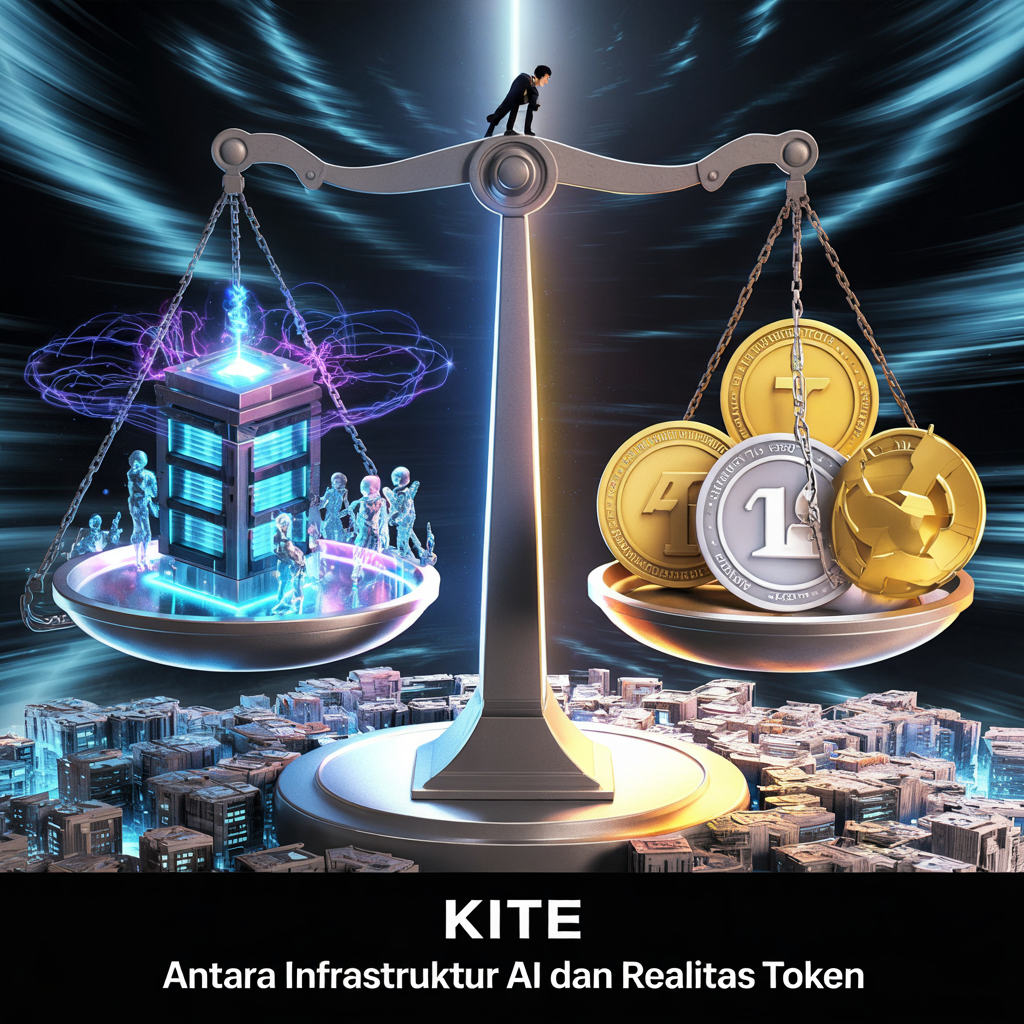
In conclusion, KITE currently stands at the crossroads between tremendous potential and structural risks that cannot be ignored. If distribution is managed well and the ecosystem is truly built, the opportunities for KITE to become the backbone of an AI agent-based economy are wide open. But if tokenomics is not accompanied by real utility and widespread adoption, this project could just be a story about great ambitions that failed to materialize.


