

Binance confirmed an employee misused insider information linked to a meme token, prompting immediate suspension and cooperation with legal authorities.
Community whistleblowers played a crucial role, submitting valid reports that earned a shared USD 100,000 bounty from Binance.
The incident highlights ongoing challenges in CEX governance and emphasizes the need for stronger internal controls and transparent oversight.
Binance faces scrutiny after an employee allegedly used insider info tied to a meme token. The incident triggered community backlash and a rapid, transparent response.

BACKGROUND OF THE INCIDENT
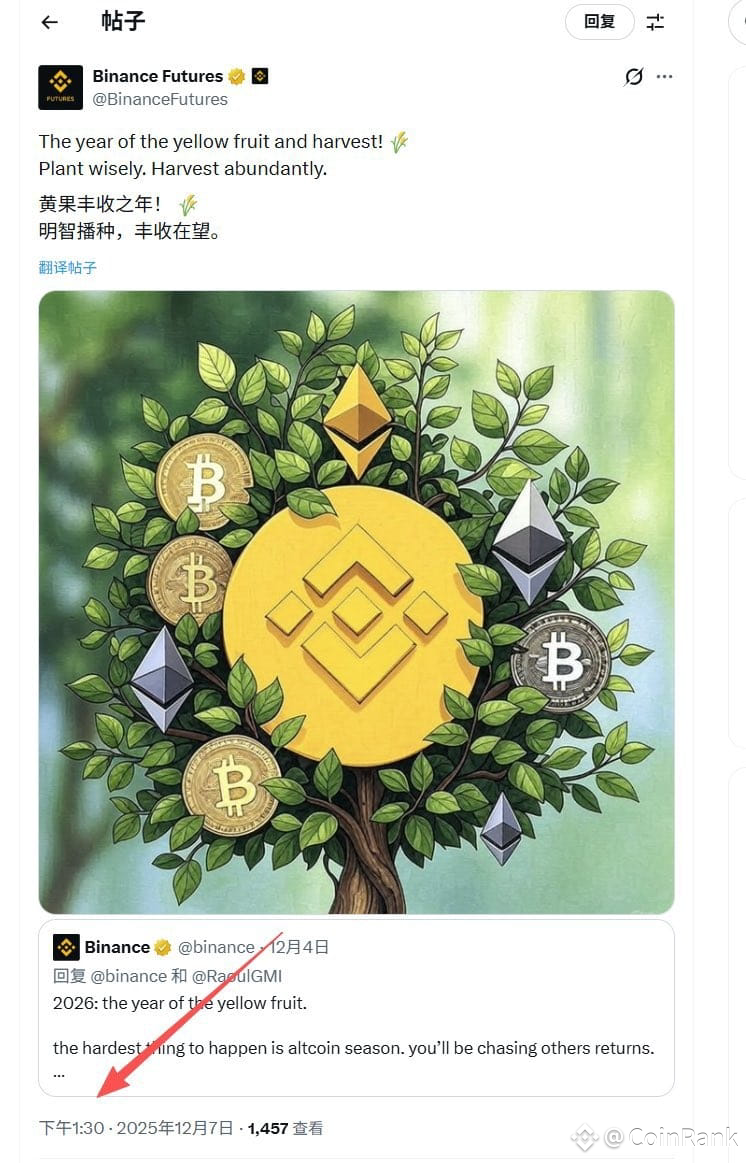
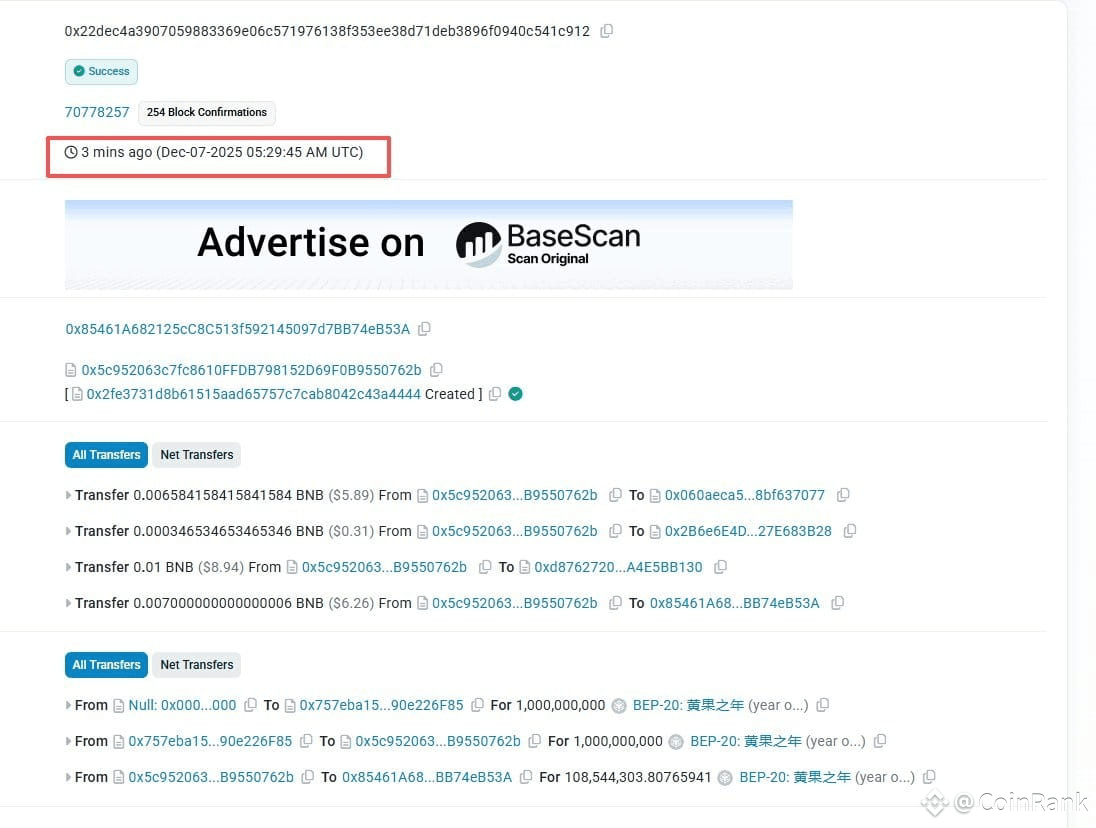
The crypto market has weathered countless storms, but few episodes have rattled the community as quickly and intensely as the insider-trading allegation involving a Binance employee on December 7, 2025. What began as an ordinary day in the market suddenly escalated into a full-scale controversy when an obscure meme coin, $YEAR, appeared on-chain at 13:29 (UTC+8). Only one minute later, the official @BinanceFutures account posted a promotional tweet that featured the same style, tone, and even the same visual elements as the newly issued token. Although the tweet itself did not mention $YEAR by name, the uncanny similarity between the two pieces of content prompted immediate suspicion across the crypto community.
What made the situation more explosive was not just the timing, but the broader context. Meme coins had been enjoying renewed speculative attention for months, and any association—whether explicit or not—with a top exchange’s official account can dramatically influence market sentiment. Therefore, when users noticed the near-identical imagery and text, speculation spread rapidly that someone within Binance might have leveraged upcoming official content to seed or promote an off-platform token for personal gain. The incident quickly escalated from rumor to headline as on-chain analysts, influencers, and journalists began posting their findings and commentary.
HOW THE COMMUNITY REACTED
Within minutes, major voices on X (formerly Twitter) amplified the concerns. Cointelegraph published an update stating that Binance had confirmed an employee used insider information to promote a newly issued token, which poured fuel on the fire. Influencers such as @mk66623 argued that the industry had long tolerated similar incidents in silence but that this time demanded a public response and accountability. Others, including @CryptoPainter, shared chain analysis highlighting the suspicious one-minute time gap, which they described as unlikely to be mere coincidence. The conversation quickly went viral, not only because of the timing anomaly but also because it struck at the heart of long-standing fears about centralized exchanges and the power insiders may hold over retail participants.
Sentiment swung between outrage and resignation. Some traders condemned the behavior as a betrayal of user trust, while skeptics suggested this was yet another example of why the industry must continue to evolve toward transparency and verifiable on-chain behavior. As the discussion gained traction, screenshots, reposts, and further chain analyses circulated widely, adding pressure on Binance to respond swiftly and decisively.
BINANCE’S INITIAL RESPONSE AND INVESTIGATION RESULTS
To its credit, Binance moved unusually fast. Within 24 hours, Binance Co-CEO He Yi (@heyibinance) released an official statement acknowledging that internal audit teams had received reports about the incident and immediately launched a full investigation. The platform confirmed that an employee had indeed acted in violation of company rules by leveraging insider information related to upcoming official content.
Binance clarified that the investigation was still ongoing but released a phase-one report outlining what had been verified so far. According to the company, the issuance of the token at 13:29 and the official tweet at 13:30 shared overlapping elements, which matched findings submitted by community whistleblowers. The company emphasized that the behavior breached its internal code of conduct as well as broader expectations of transparency and ethical responsibility in financial services.
Rather than attempting to downplay or shift blame, Binance took the rare step of making the disciplinary actions public. The employee was immediately suspended while further review and legal processes were initiated. Moreover, the company announced that it had already contacted relevant authorities in the employee’s jurisdiction and would fully cooperate to pursue appropriate legal consequences.
THE ROLE OF COMMUNITY REPORTING
One of the most striking elements of this episode was the role of community reporting. Binance revealed that it had received multiple submissions through its official whistleblower email (audit@binance.com). After reviewing all entries and ensuring there were no duplicates, Binance proceeded to distribute a previously announced bounty of USD 100,000 evenly among the first five valid whistleblowers. The company also published partially redacted email identifiers of the recipients to maintain transparency while protecting their privacy.
This move was broadly appreciated by the community. Users noted that Binance not only acknowledged wrongdoing within its organization but also rewarded those who helped expose it. Several observers commented that such proactive engagement is rare among large financial platforms, especially when the allegations involve internal misconduct rather than external breaches or exploits.
However, Binance also clarified that only reports submitted through the official email channel were eligible for the bounty, even though some individuals had posted analyses publicly on X. The decision underscored the importance of confidential, verifiable reporting in cases that involve sensitive internal processes and potential legal ramifications.
WHY THIS INCIDENT MATTERS FOR THE INDUSTRY
Although meme coins often exist in a grey zone between entertainment and speculation, the underlying ethical and structural issues exposed by this case are far from trivial. Insider trading—regardless of scale—strikes at the foundation of market fairness. When employees of large centralized exchanges have access to sensitive information, the temptation to misuse it can be significant, especially in a fast-moving market where seconds can determine enormous price swings.
This is not the first time the industry has encountered concerns about internal misconduct. Earlier in the year, another case involving a Binance employee and a different token drew criticism, prompting the company to reinforce its internal rules. The latest episode is therefore particularly damaging as it appears shortly after new guidelines were implemented. The repetition suggests that the challenge is not merely regulatory but cultural and operational as well.
Yet, the situation also demonstrates an important shift. The fact that whistleblowers acted immediately, and the company responded publicly rather than suppressing the story, reflects a growing maturity in how the industry handles internal risk. For an ecosystem that still fights against stereotypes of opacity and improvised governance, such transparency is crucial.
WHAT HAPPENS NEXT
Looking forward, Binance has committed to strengthening internal controls, enhancing monitoring of employee behavior, tightening content-approval processes, and minimizing opportunities for misuse of privileged information. The company reiterated that it maintains a zero-tolerance policy toward any action that endangers user trust.
Nevertheless, this episode will likely linger in industry discussions for some time. It raises uncomfortable but necessary questions:
How much power do centralized exchange employees have? How should platforms structure their controls to avoid abuse? And to what extent should community oversight become a formalized part of the crypto ecosystem?
These questions have no quick answers. Yet, if the past days demonstrated anything, it is that community vigilance combined with transparent corporate response can help transform a damaging incident into a catalyst for higher standards.
CONCLUSION
The $YEAR insider-trading controversy underscores the challenges inherent in managing large centralized platforms in a borderless, fast-moving industry. Although the misconduct of one employee sparked the crisis, the rapid and public response from Binance—suspension, cooperation with legal authorities, and timely issuance of a whistleblower bounty—helped shift sentiment from pure outrage toward cautious optimism.
It also highlighted a more fundamental truth: the crypto industry can only thrive when trust is earned daily through transparency, accountability, and structural safeguards. While the episode exposes vulnerabilities, it also shows a path forward—one in which community oversight and corporate responsibility work in tandem to build a healthier, more resilient ecosystem.
Read More:
Crypto Still Bullish? VIX and ETF Flows Say It’s a Reset
〈Binance Insider Probe Sparks Outcry After Meme Token Leak〉這篇文章最早發佈於《CoinRank》。




