
Automation’s changing everything fast. AI robotics machine learning they are not just science fiction anymore. Factories warehouses delivery trucks you name it. Machines are already working alongside people or honestly doing a lot of work by themselves. Now analysts are throwing around numbers like $100 trillion for the value of this new automation economy. As machines take over more tasks they will need a way to stay coordinated be managed and have their work checked. That is where Fabric Foundation and their project Fabric Protocol step in.
So what is Fabric Protocol? Think of it as a decentralized system sort of a public meeting ground for robots and AI agents. Instead of robots stuck inside one company’s system Fabric opens the door to a network where machines humans and businesses can cooperate. Blockchain’s at the heart of it. It lets robots tap into a shared ledger keeping track of jobs verifying what actually happened and handling rewards. That makes things transparent and easy to trust everyone on the network can see what is going on.
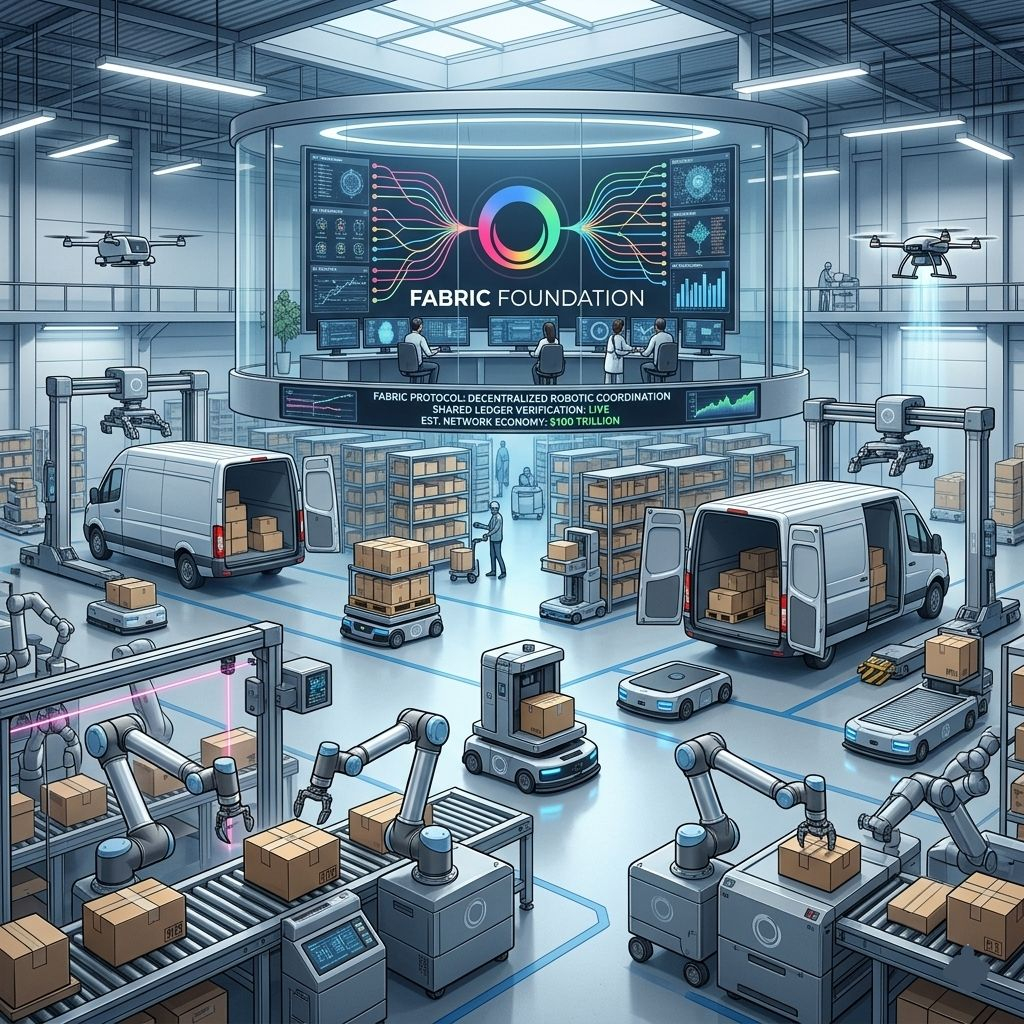
One big idea with Fabric verifiable computing. Usually it is tough to prove a robot really did a job. Fabric solves this by logging every action on the blockchain. So whether it is a robot moving a box or finishing a delivery it is all visible and verified. That builds trust no more mystery no shady shortcuts.
But Fabric is not just about tracking tasks. It changes how robots fit into the economy. In this system machines can show up as independent actors with their own digital IDs and wallets. Picture a delivery robot finishing its route proving the job’s done and then getting paid instantly. The ecosystem’s token fuels all these transactions and incentives keeping everything running smoothly.
You're looking at the beginnings of what people call the “machine economy.” Robots offer services businesses request them and Fabric coordinates it all. Blockchain provide guarantee for security snd the transparency. Decentralized governance means everyone has a say and can tweak the system as it grows. Humans and machines working together like never before.
The possibilities? Huge. Warehouses could have fleets of robots organizing and reporting their work straight to the blockchain. While farming machines might be plant monitor & harvest while logging every step. Cities could send drones or maintenance bots to inspect the infrastructure & collect the proofs that they finished their jobs. All these activities feed into a global web of verified robotic labor.
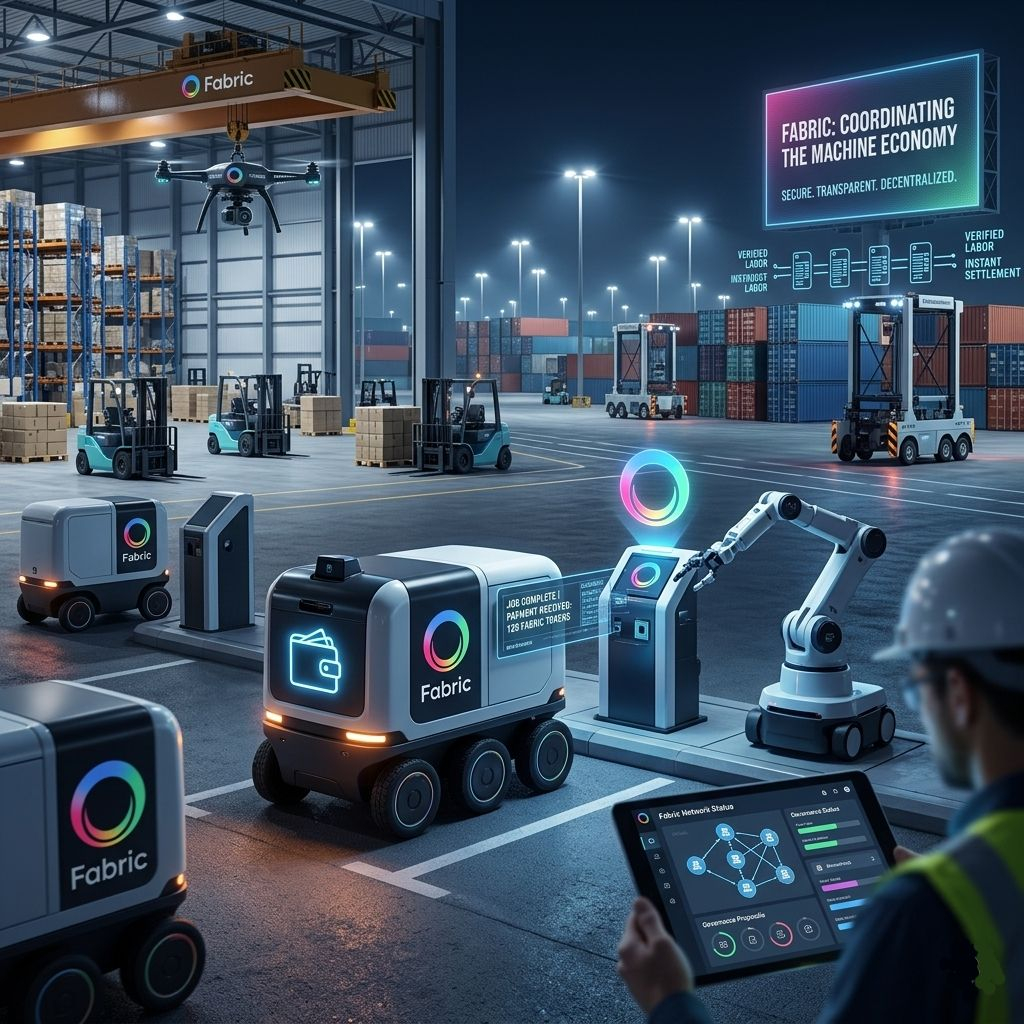
As automation gets bigger the real hurdle is building trust between humans and machines. Businesses want proof machines actually work governments and communities want transparency so everyone benefits. Fabric Protocol tackles this by bringing together blockchain robotics and AI. That way machines operate responsibly everyone can check their work and the system stays fair and open.
Yeah the idea of a $100 trillion automation economy might sound wild but look around robots and AI are everywhere and companies are pouring money into them. As tech keeps advancing, demand for open reliable coordination will skyrocket. Fabric Protocol aims to become the backbone of this world connecting machines verifying their tasks and weaving them into a massive digital economy.
Over the next few decades automation’s going to shake up industries jobs and how the whole economy works. If systems like Fabric Protocol deliver we will probably see humans and intelligent machines teaming up in ways we can barely imagine decentralized transparent productive & global.
#robo || #ROBO || @Fabric Foundation
