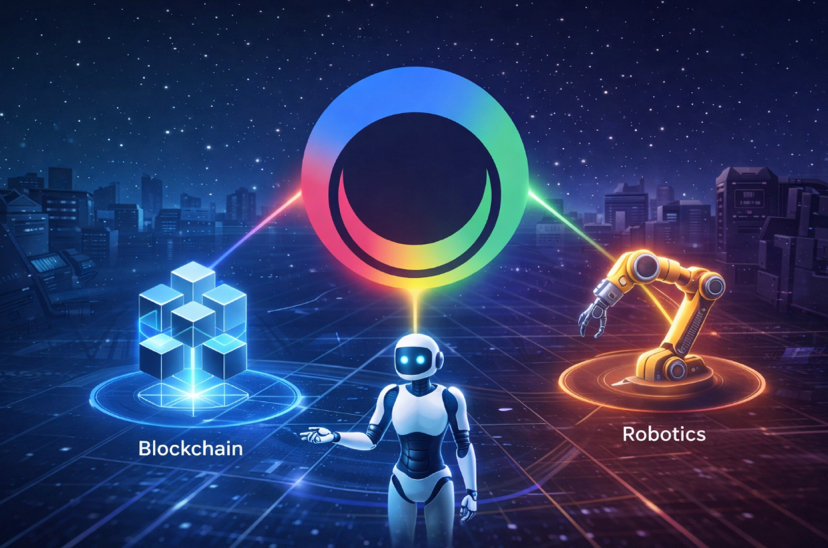
ROBOTOKEN (ROBO) is a decentralized economic layer designed to facilitate communication, transaction, and coordination between autonomous machines and human participants. Often referred to as the "currency for robots," it operates primarily on the Fabric Protocol, a specialized blockchain infrastructure tailored for the high-frequency demands of the Internet of Things (IoT) and Robotics.
Core Technological Pillars
1. Machine-to-Machine (M2M) Economy
Traditional banking systems are too slow and fee-heavy for robots to transact with one another. ROBOTOKEN enables autonomous agents (like delivery drones or industrial arms) to:
Pay for resources: Automatically purchase electricity or charging station time.
Settling data debts: Pay other sensors or robots for environmental data.
Micro-payments: Execute sub-cent transactions without intermediary delays.
2. Decentralized Identity (DID)
Every robot on the ROBOTOKEN blockchain is assigned a unique, immutable digital ID. This ensures that when a machine performs a task or requests data, its origin and reputation are verifiable. This prevents "rogue" hardware from spoofing network commands.
3. Smart Contract Governance
The network uses automated smart contracts to manage service-level agreements (SLAs). If a delivery robot fails to drop off a package within a set timeframe, the ROBOTOKEN held in escrow can be automatically refunded to the customer or rerouted to a repair bot.
The Role of the ROBO Token
Within the blockchain ecosystem, the native token serves three primary functions:
Work Bonds: To operate a node or a piece of industrial hardware on the network, operators must stake ROBO as collateral to ensure "good behavior."
Gas & Fees: All computational tasks and data transfers across the protocol are settled in ROBO.
Governance: Token holders vote on protocol upgrades, such as changes to data encryption standards or network fee structures.
Interoperability and Security
ROBOTOKEN is designed to be cross-chain compatible, allowing it to bridge with major networks like Ethereum and Polkadot. This ensures that data generated by a robot can be used in wider DeFi (Decentralized Finance) applications or sold on decentralized data marketplaces.
To maintain security, the blockchain employs a Proof-of-Stake (PoS) consensus mechanism, which is significantly more energy-efficient than traditional mining—a crucial factor for sustainability in large-scale robotic fleets.
Would you like to focus on the technical specifications of the Fabric Protocol or explore the real-world use cases for drone delivery and automated manufacturing?