

I will be honest: I used to think privacy-first blockchains were mostly a reaction to ideology. People didn’t want to be watched, so they wrapped that discomfort in technical language and called it infrastructure. I dismissed it for a while because public chains seemed honest, even if a little harsh and regulators seemed to hate anything that wasn’t fully transparent anyway.
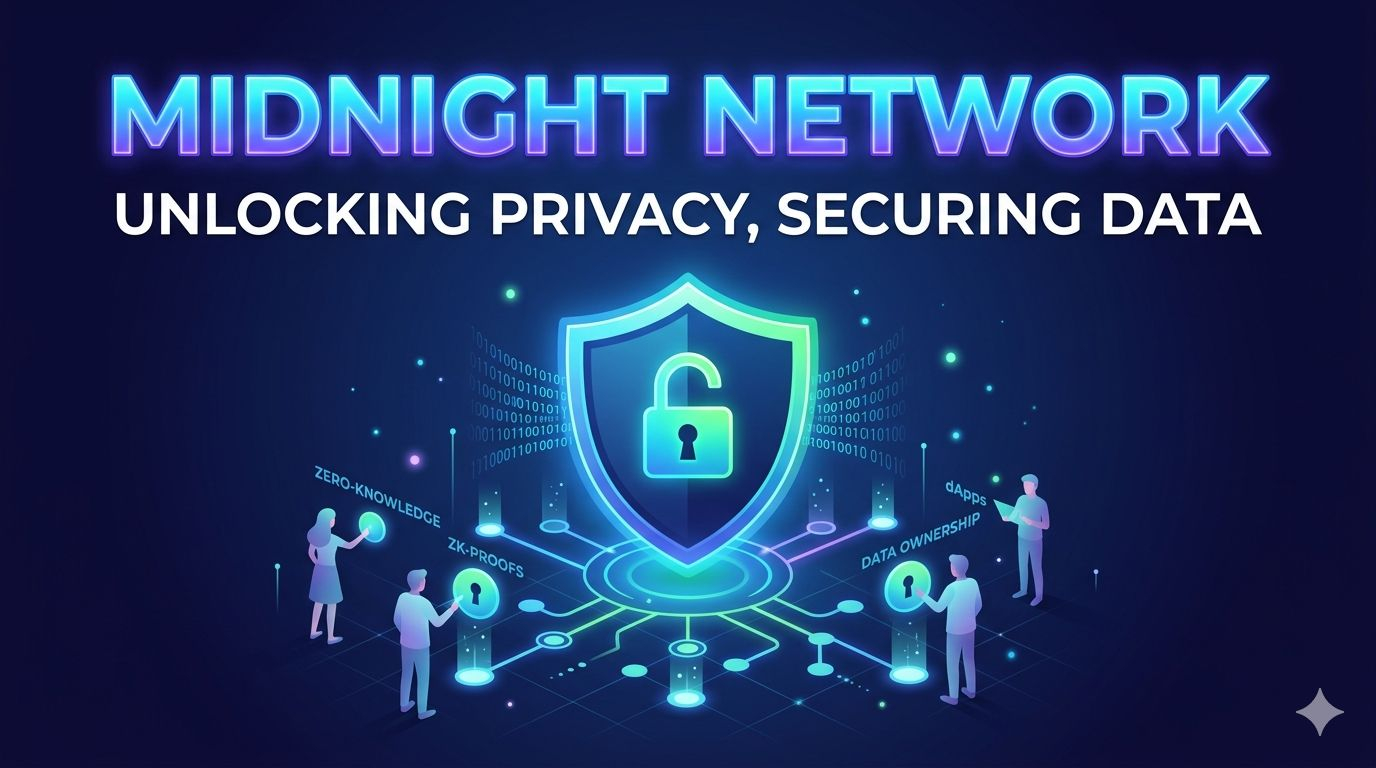
What changed my mind was watching how regulators and institutions keep hitting the same wall: they want proof, not exposure. They want compliance, not a public dump of every sensitive detail.
That is the real problem @MidnightNetwork seems to be built around. Not secrecy for its own sake. The deeper issue is that open ledgers force total disclosure regulators don’t actually need, while closed systems bring back gatekeepers and kill the ownership that made blockchain attractive in the first place. A bank or payment provider may want verifiable AML/KYC checks, but not to broadcast customer flows or internal risk models to the entire world. An institution may want auditability, but not to turn its operations into a permanent public billboard. Even regulators themselves usually want targeted proof, not an open invitation for competitors or bad actors to scrape everything.
Most current solutions still feel unnatural. Public systems expose too much and drive self-censorship or off-chain workarounds. Fully hidden systems reduce exposure but make compliance impossible without trusting third parties again. That is why the middle ground matters.
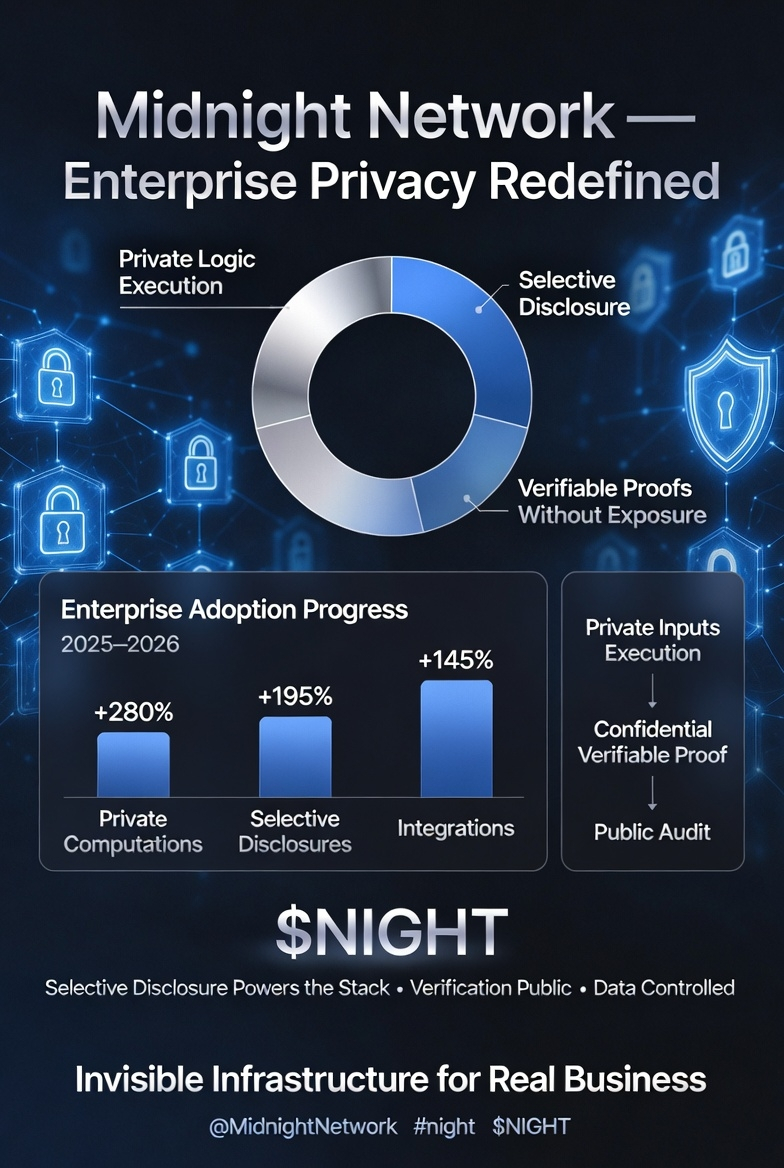
Midnight’s regulatory-friendly selective disclosure starts to make sense when viewed as infrastructure that finally meets the real world halfway. The point is not hiding everything. It is proving exactly what regulators need — compliance status, transaction validity, identity verification without leaking the sensitive data they don’t actually require. Zero-knowledge proofs let you show “this meets the rule” without showing the underlying numbers, counterparties, or business logic.
Who uses that? Serious operators who actually have to answer to regulators. Institutions that need blockchain efficiency without turning their books into open source. Payment companies that want shielded settlement while still satisfying AML requirements. Builders deploying enterprise dApps that must pass audits without exposing customer data. It works if it stays usable, affordable, and legally understandable. It fails if complexity overwhelms trust or if regulators refuse to accept zero-knowledge evidence.
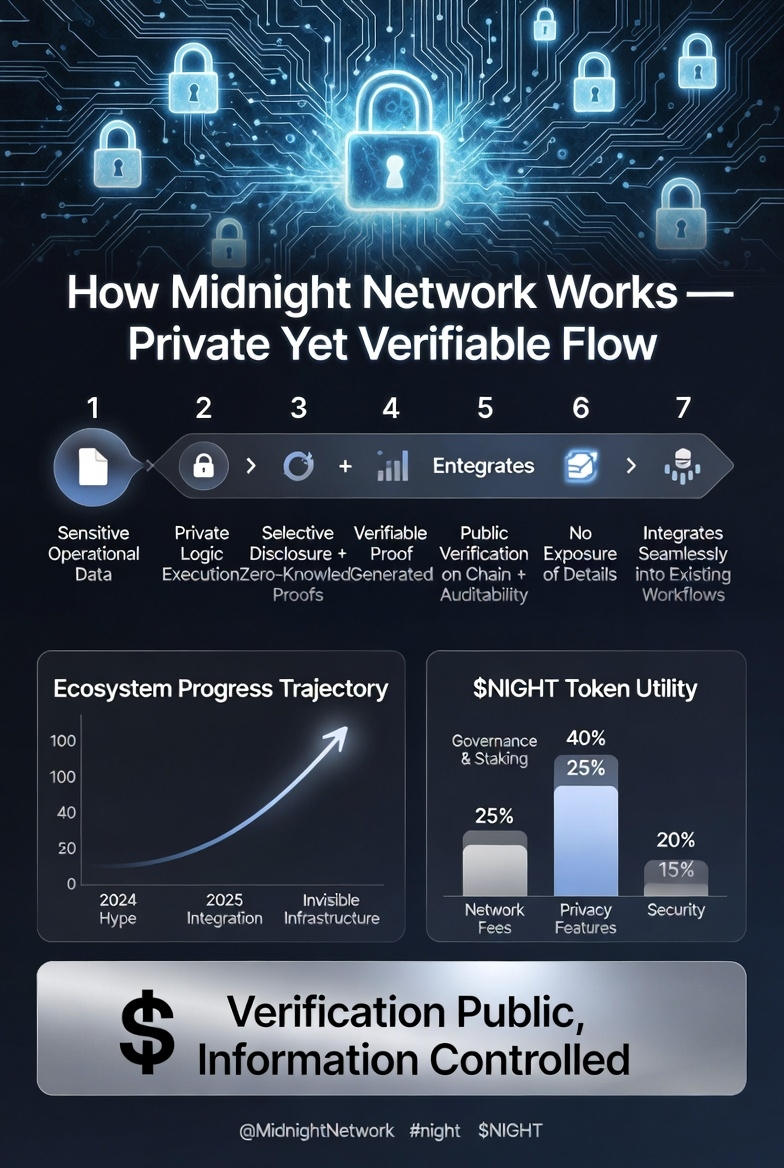
The timing feels right too. With mainnet literally days away in late March 2026, the Kūkolu federated phase is putting real regulated operators (MoneyGram, eToro, Vodafone Pairpoint, Google Cloud) in the initial node set — not for hype, but to prove the network can handle compliance-grade workloads from day one. DUST generated passively from holding NIGHT means privacy costs don’t punish holders or force sales; the economics actually support sustained, regulator-friendly usage instead of short-term theater.
I used to roll my eyes at privacy talk. Now I see it as the missing piece that finally lets institutions and regulators stop fighting blockchain and start using it proving compliance without the permanent exposure that made everyone self-censor or stay off-chain.
#night @MidnightNetwork #NIGHT
