
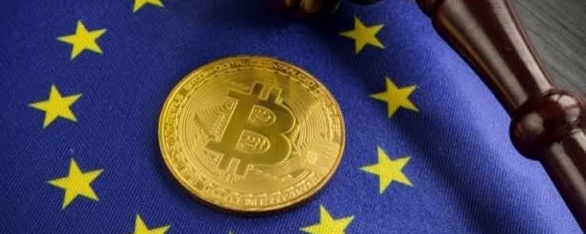
A significant political shake-up in Hungary is sending ripples through the European financial sector, potentially reopening the long-standing debate over the country’s cryptocurrency policies and regulatory framework.
The Political Catalyst
Recent shifts in the Hungarian political landscape have introduced new voices into the legislative conversation. This transition comes at a time when the European Union is tightening its grip on digital assets through the MiCA (Markets in Crypto-Assets) regulation, leaving Hungary at a crossroads.
Review of Current Stance: Historically, Hungary has maintained a mixed approach—offering competitive tax rates on crypto gains (reduced to 15% in 2022) while remaining cautious about broader integration.
New Legislative Energy: The current political "shake-up" suggests that upcoming policy debates may move toward either further liberalization to attract tech investment or stricter oversight to align with broader EU stability goals.
Key Areas of Debate
Analysts expect the following three pillars to be at the center of the renewed regulation debate:
Tax Incentives: Will the new political alignment maintain the 15% flat tax, or will they introduce new incentives to make Hungary a regional "Crypto Hub"?
Banking Integration: Local crypto firms have often struggled with traditional banking relationships. New policy could mandate clearer pathways for digital asset businesses to access financial services.
CBDC Exploration: The Hungarian Central Bank has been active in exploring a Central Bank Digital Currency (CBDC). Political changes may accelerate or pivot the direction of the "Digital Forint" project.
Market Implications
For regional investors and global exchanges operating in Eastern Europe, this uncertainty creates both risk and opportunity. A move toward a more "crypto-friendly" regulatory environment could see Hungary competing with nations like Poland or the Czech Republic for blockchain talent.
Strategic Conclusion
As Hungary navigates this internal political transition, the crypto community is watching closely. The outcome of these policy debates will likely determine if the country becomes a primary gateway for digital finance in Central Europe or adopts a more conservative, restrictive stance.
Investor Note: Regulatory shifts often precede market volatility. To ensure you are trading on a platform that remains compliant with evolving international laws, consider managing your portfolio with professional tools. Stay ahead of the curve by joining our community with referral ID GRO_28502_4NQ65.
Do you think a more relaxed regulatory environment in Hungary would encourage other EU nations to lower their crypto tax rates as well? $BTC