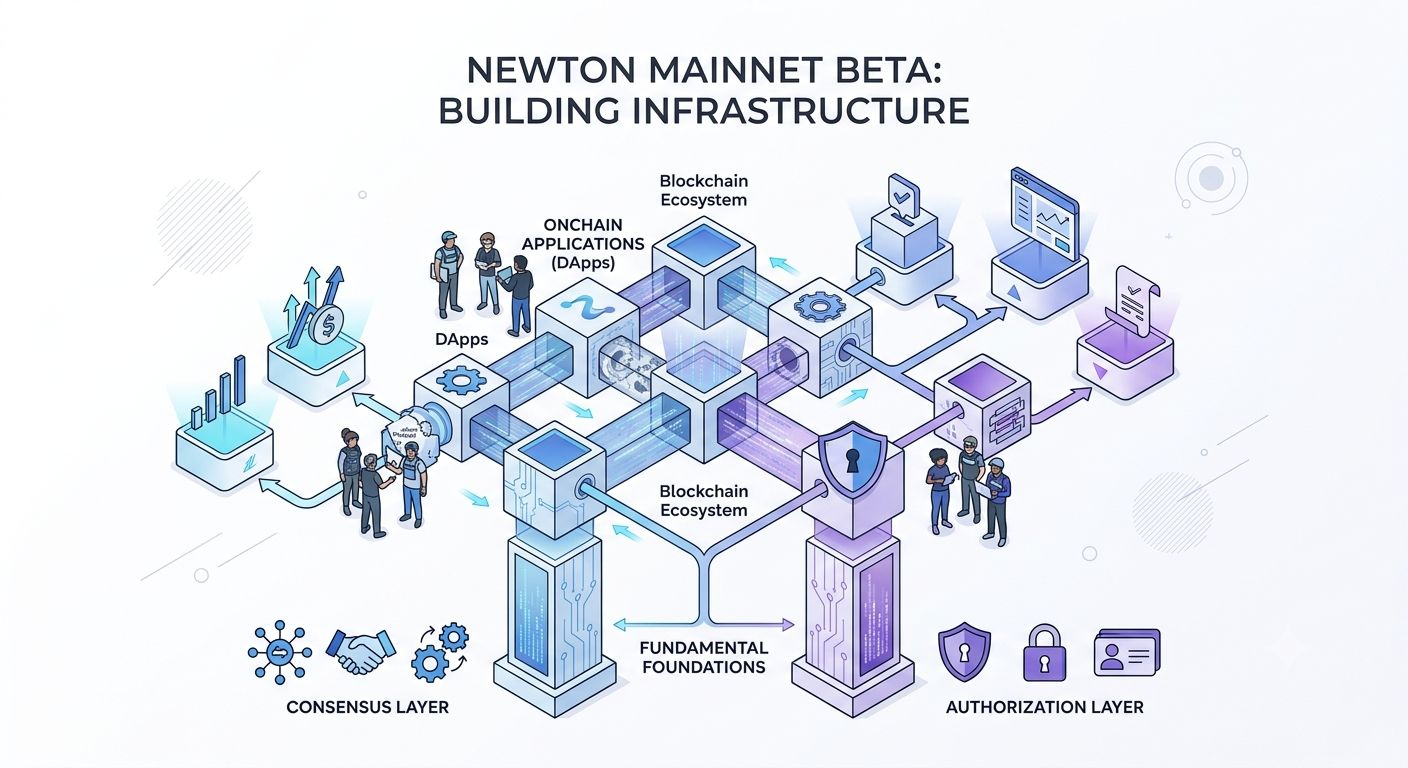

When people talk about blockchain they usually think about how fast it's how many people can use it at the same time. They also think about the cost of making a transaction. These things are important. I have been looking at how different blockchain systems work and I keep thinking about something else.
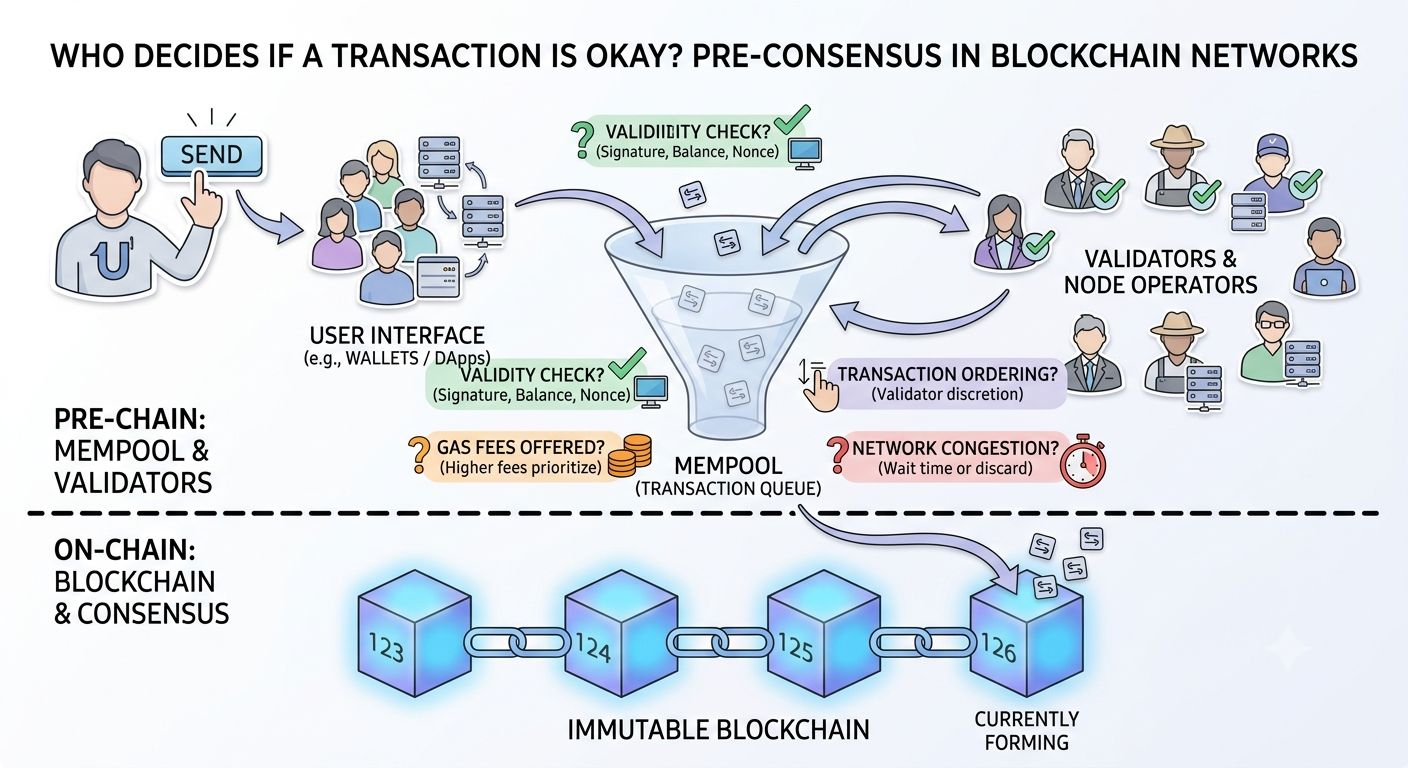 Who gets to decide if a transaction is okay before it even gets to the blockchain?
Traditional finance always separates authorization, from settlement.When you use a bank card the payment gets checked before it is finalized.These checks include identity verification, spending limits, fraud detection and compliance.
Settlement happens after these checks.
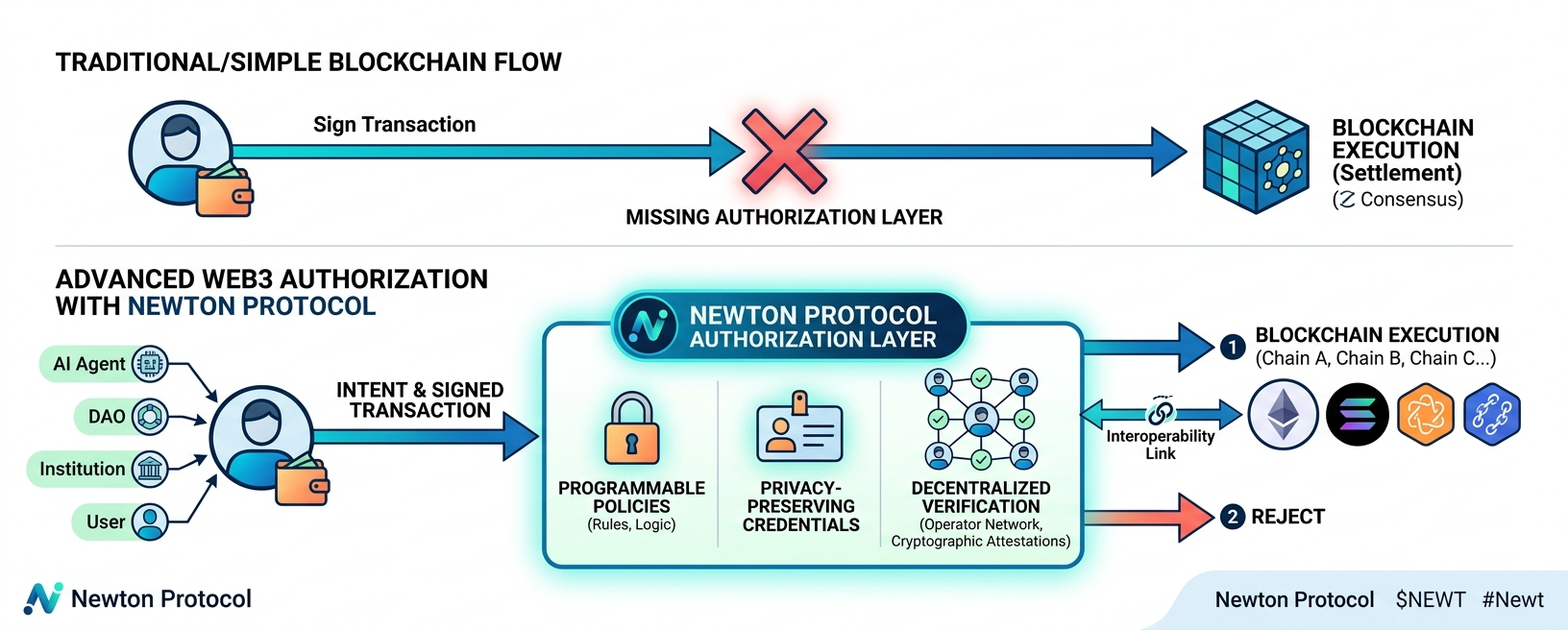
Blockchain changed things bydecentralizing settlement.Often it skipped authorization entirely.If a transaction is signed correctly it usually gets executed.
This works well for transfers.However it gets challenging with AI agents, DAOs, institutions and automated financial systems operating onchain.
This is where @NewtonProtocol caught my attention.
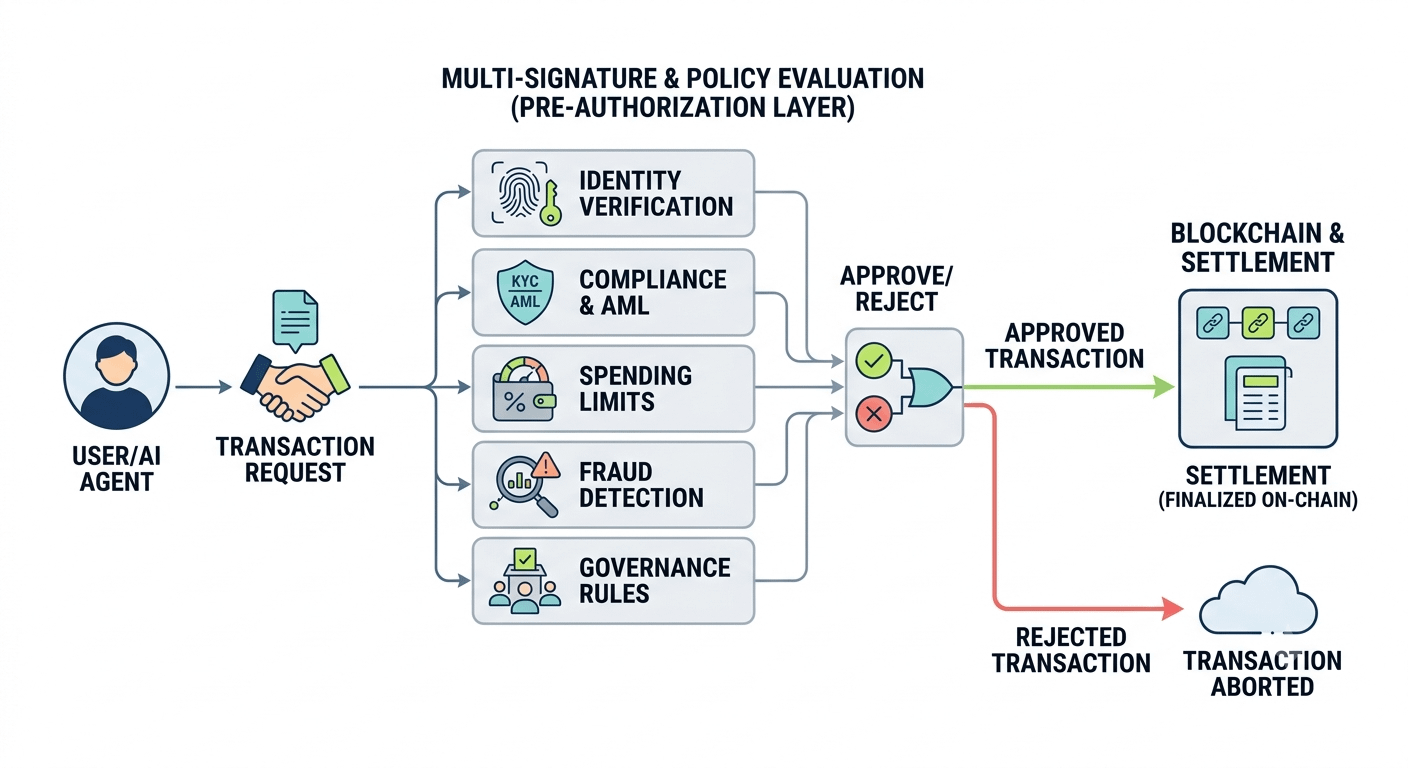
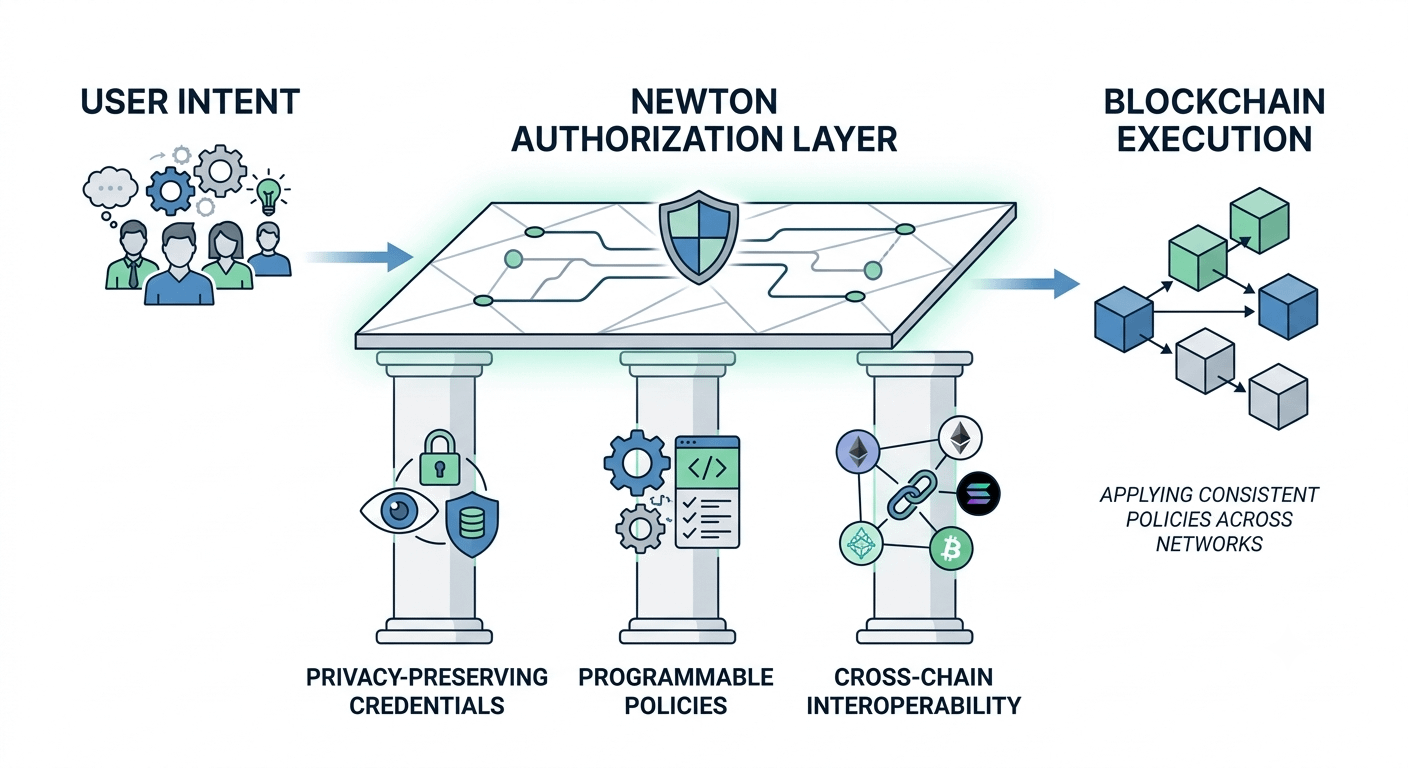
Instead of replacing wallets or acting as another bridge, Newton introduces an authorization layer between user intent and blockchain execution. I find that design choice interesting because it adds programmable decision-making before a transaction is allowed to move forward.
Another part that stood out is the protocol's three complementary pillars. Privacy-preserving credentials allow verification without exposing unnecessary user data. Programmable policies make it possible to define authorization rules that can adapt to different applications. Cross-chain interoperability aims to apply those policies consistently across multiple blockchain ecosystems instead of rebuilding compliance logic on every network.
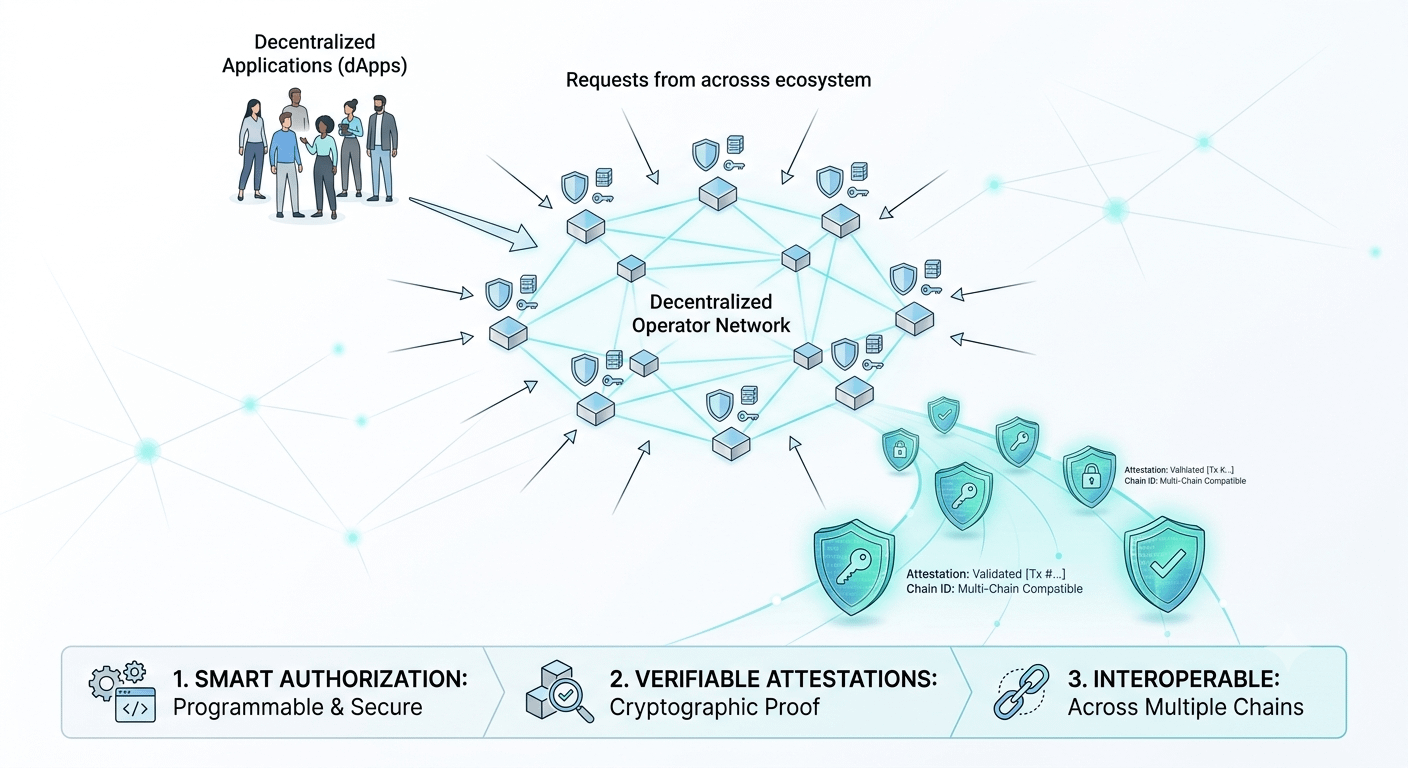
What also makes this architecture interesting is its decentralized approach. Authorization is verified through an operator network using cryptographic attestations instead of depending on a single organization to approve or reject actions. That reduces the possibility of one party controlling authorization outcomes while keeping the process transparent and verifiable.
To me, this represents a shift in how blockchain infrastructure can evolve. The next generation of decentralized applications may not only need faster execution, but also smarter authorization that is programmable, verifiable, and interoperable across chains.
If that vision continues to develop during the Newton Mainnet Beta, it could become one of the most practical infrastructure upgrades for onchain applications.
I'm interested to see how developers build around this model and whether authorization eventually becomes as fundamental as consensus itself.