
Most blockchains are built to look impressive on paper. Fast TPS, complex architectures, endless technical terms. But when you step back and ask a simple question — would a normal person ever use this? — the answer is often unclear.
Vanar Chain starts from a different place. It doesn’t begin with charts or buzzwords. It begins with how people actually spend their time online: playing games, watching content, exploring virtual spaces, interacting with brands, and using digital tools that don’t require a manual to understand.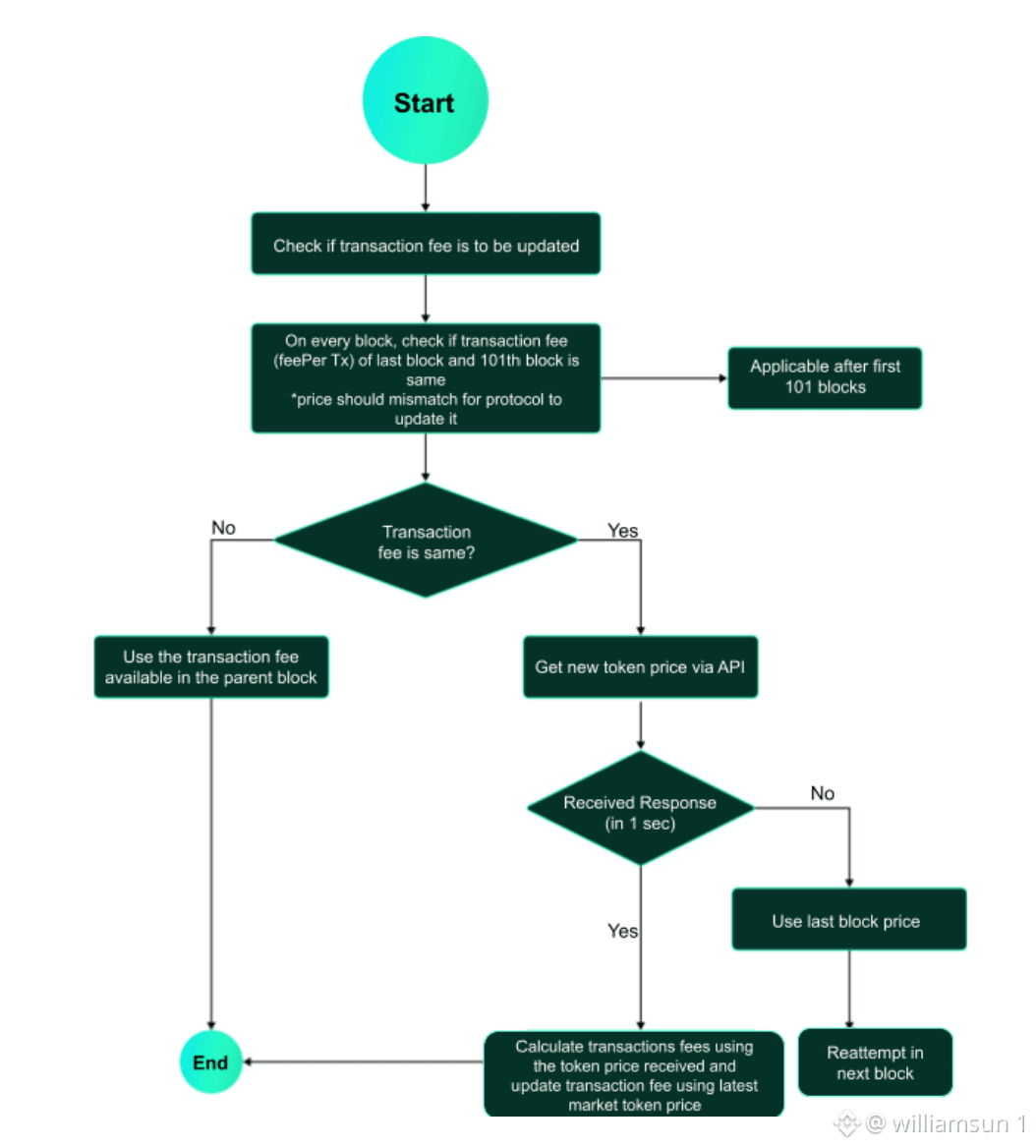
Vanar is a Layer-1 blockchain designed for real-world use, not just crypto insiders. The idea is straightforward — if Web3 is ever going to reach billions of users, it needs to fit naturally into experiences people already enjoy. Users shouldn’t need to understand wallets, gas fees, or block confirmations. Things should simply work.
That mindset comes from the team behind Vanar. They aren’t new to digital entertainment. Their background includes years of working with games, immersive media, and global brands. Because of that, Vanar doesn’t feel like a typical blockchain project chasing trends. It feels more like infrastructure quietly built to support experiences.
Before Vanar existed as a blockchain, the ecosystem began with Virtua, a platform focused on digital collectibles and virtual environments. As the platform grew, limitations became clear. Relying on external blockchains meant higher costs and less control over user experience. So the team made a bigger move — they built their own chain.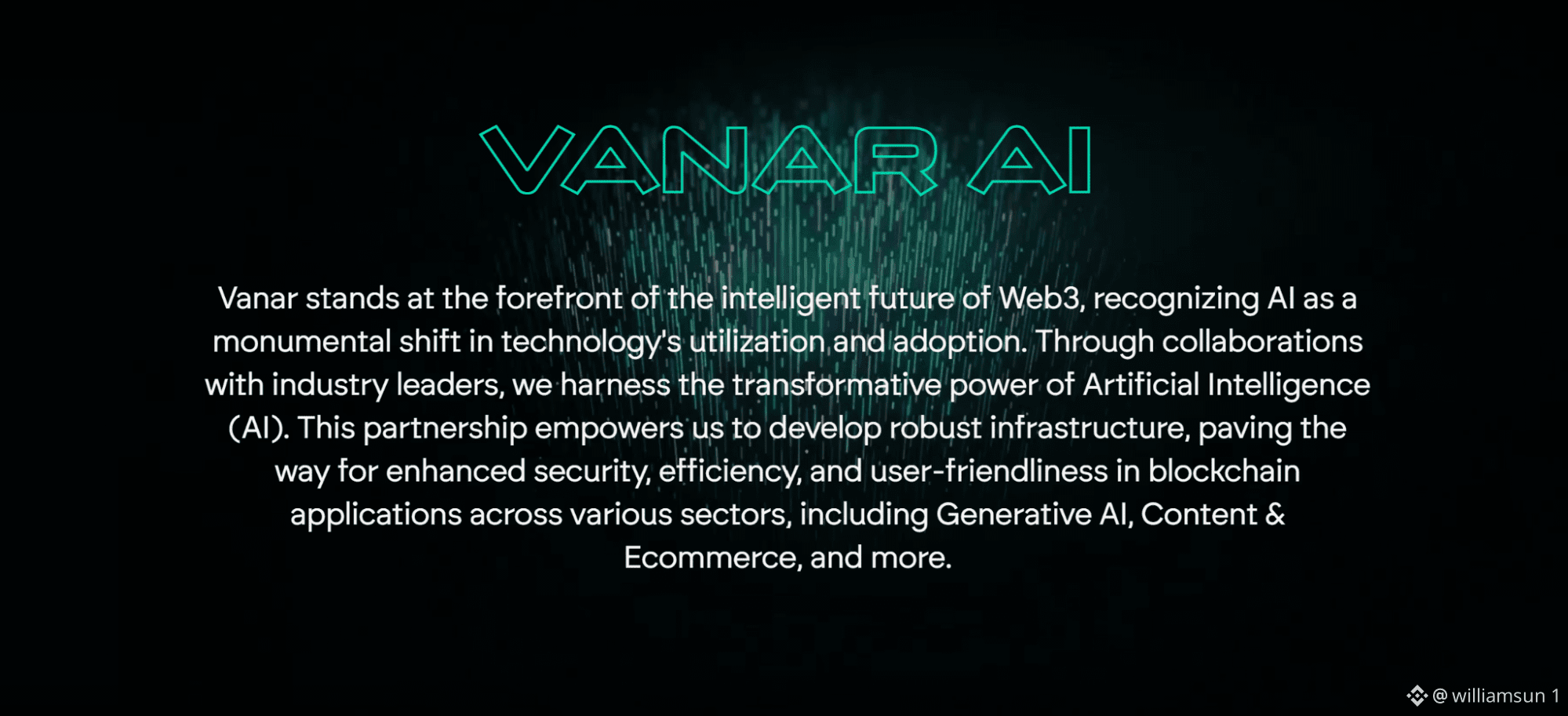
That transition also marked the shift from the old TVK token to VANRY, a token designed to support a much broader ecosystem rather than a single product. It wasn’t just a rebrand. It was an expansion of ambition.
As a standalone Layer-1 network, Vanar has full control over how the system behaves. Transactions are fast and cost almost nothing, which matters a lot when you’re dealing with games or digital interactions that happen constantly. Nobody wants to pay high fees just to move an in-game item or interact with a virtual space.
Vanar is also compatible with Ethereum tools, which makes life easier for developers. Builders don’t need to learn everything from scratch, and projects can move over without heavy friction. Behind the scenes, the network is secured by decentralized validators and standard cryptographic systems, but from a user perspective, all of that stays out of sight.
The VANRY token sits at the center of this system. It’s used to pay network fees, secure the chain through staking, and power applications across the ecosystem. It’s not designed to be flashy. It’s designed to be useful. The token supply is fixed, with a strong emphasis on long-term sustainability and ecosystem incentives rather than short-term hype.
What really makes Vanar interesting, though, is what’s being built on top of it.
Virtua remains a core part of the ecosystem. It’s a metaverse platform where users can explore digital worlds, own assets, and interact socially without feeling like they’ve stepped into a technical experiment. The blockchain element is there, but it stays in the background. Ownership feels natural, not complicated.
Then there’s the Vanar Games Network, often called VGN. Gaming is one of the easiest ways to introduce people to Web3, but only if it’s done right. VGN focuses on player-owned assets, smooth in-game transactions, and sustainable economies. No expensive fees. No clunky onboarding. Just games that happen to be powered by blockchain.
Vanar is also leaning into AI in a practical way. Instead of treating artificial intelligence as a buzzword, the network integrates intelligent systems directly into its infrastructure. This allows developers to build smarter applications that can analyze data, automate processes, and adapt to users in real time.
For brands, Vanar offers a quieter entry into Web3. Companies can create digital collectibles, loyalty programs, and interactive experiences without forcing their audience to understand crypto. That’s important, because mainstream users don’t want to learn blockchain — they just want good digital experiences.
Vanar isn’t trying to compete head-on with blockchains that dominate DeFi or financial speculation. Its focus is different. It’s about attention, engagement, and usability. It’s about building tools that feel familiar instead of overwhelming.
Of course, challenges remain. Adoption takes time. Competition is fierce. Building for millions of users is never simple. But Vanar’s direction is clear, and that clarity is rare in this space.
If Web3 is going to move beyond early adopters, it won’t happen through complexity. It will happen through experiences people enjoy without thinking about the technology underneath.
That’s the space Vanar is quietly trying to own — and that may be exactly why it deserves attention.