


What Are Long and Short in Crypto Trading?
At a fundamental level, long and short are simply two opposite ways of expressing your market bias on an asset such as Bitcoin, Ethereum, or any altcoin.
Going long means you believe price will rise. You commit a portion of capital as margin, often apply leverage, and profit if the market moves upward.
Going short means you expect price to fall. You effectively sell borrowed assets at a higher price and aim to buy them back cheaper later, keeping the difference as profit.
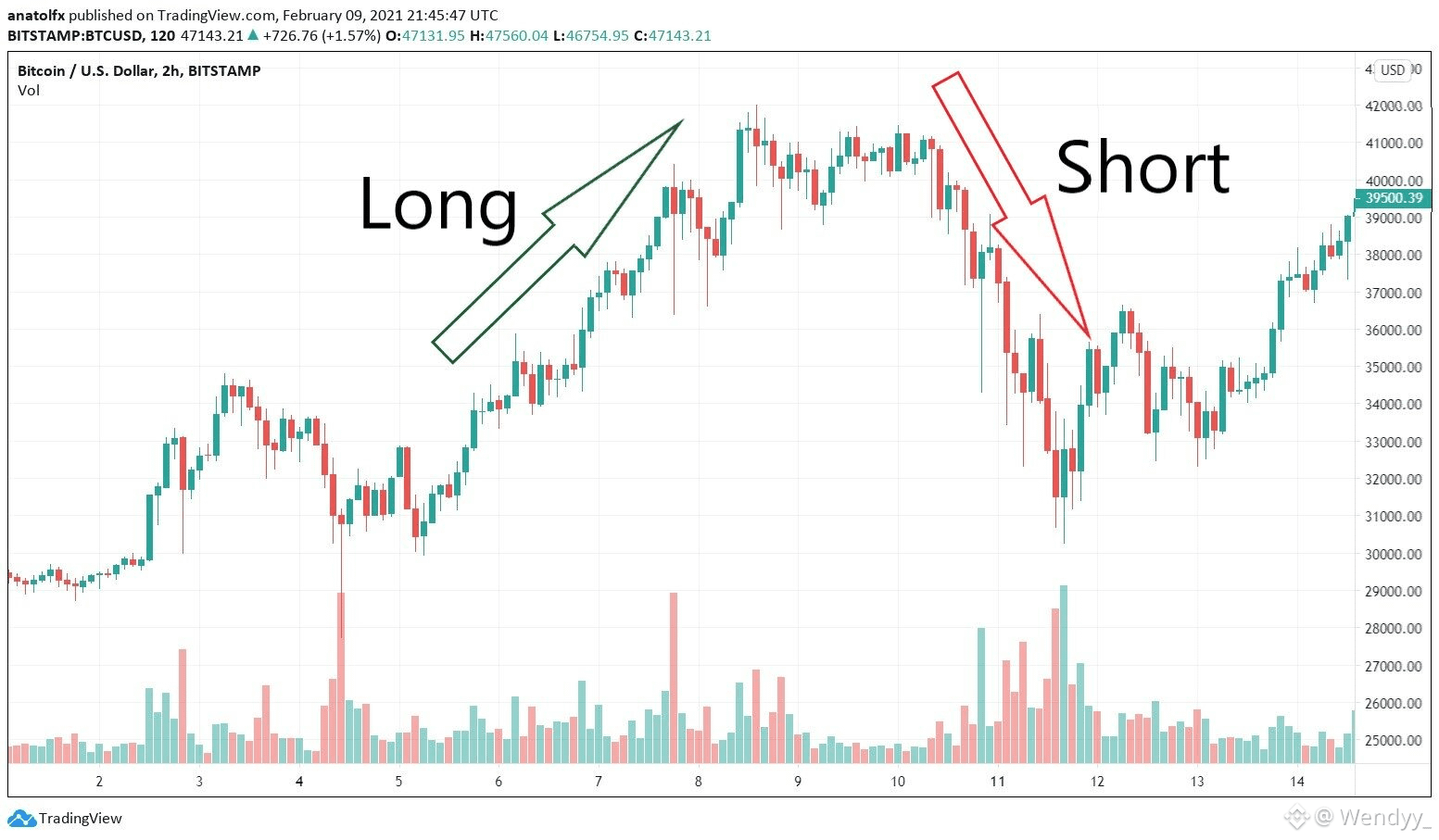
Unlike spot trading, long-short trading allows you to make money in both rising and falling markets. That flexibility is exactly why many traders are drawn to it. But it is also why long and short positions are considered a double-edged sword. Gains are amplified, but so are losses.
Market participants often watch the long/short ratio as a sentiment gauge. When long positions dominate, optimism is high. When shorts pile up, fear or bearish conviction usually takes over.
How Long and Short Work With Margin and Leverage
To truly understand long and short trading, three concepts must be clear from the start.
Margin is the amount of money you put up to open a position.
Leverage determines how much larger your position is compared to that margin.
Liquidation happens when losses eat through your margin and the exchange forcefully closes your trade.

Imagine you have 20 USD and open a long position with 10x leverage. Your position size becomes 200 USD. If price rises by 10 percent, the position gains 20 USD, effectively doubling your initial margin. But if price drops by just 10 percent, the entire margin is wiped out and the position is liquidated.
Short positions behave the same way, only in reverse. If you short an asset with leverage and price falls, profits are magnified. If price rises sharply, liquidation comes just as quickly. In practice, long and short trading means using a small amount of capital to control a much larger position, with outcomes swinging rapidly in either direction.
Risk Management: Cross Margin vs Isolated Margin
On derivatives platforms, traders usually choose between isolated and cross margin. This choice plays a major role in how much damage a single bad trade can do.
With isolated margin, each position has its own dedicated margin. If that position is liquidated, you lose only the amount allocated to it. The rest of your futures wallet remains untouched. This structure makes isolated margin far more forgiving for beginners.
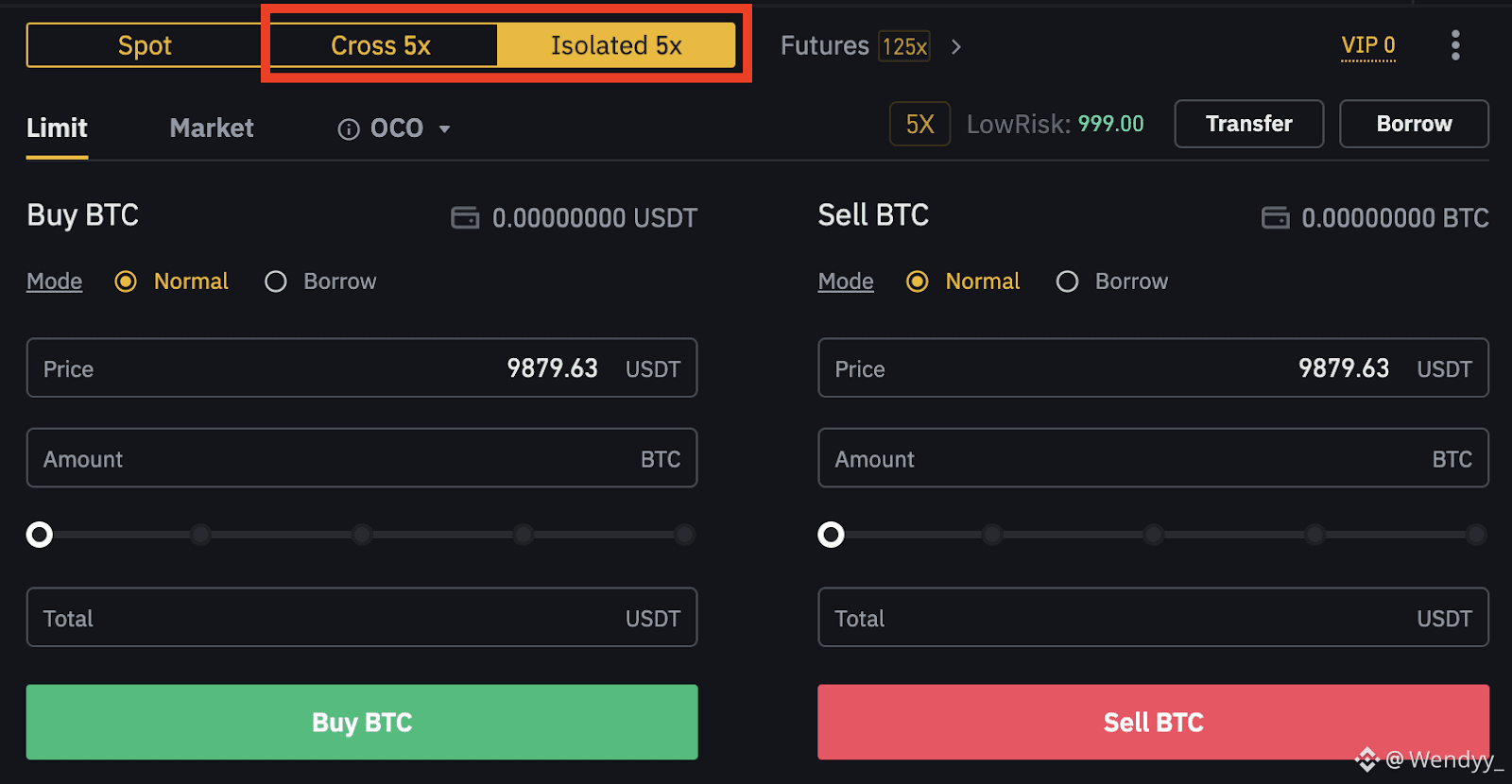
Cross margin works differently. All available funds in your futures wallet are shared across positions. When a trade starts losing heavily, the system automatically pulls in more margin to keep it alive. If price continues moving against you, one bad decision can drain your entire account. Until you fully understand market behavior and your own psychology, isolated margin is generally the safer option.
Advantages and Drawbacks of Long-Short Trading
Used correctly, long and short trading offers real advantages. Traders can profit in both bullish and bearish environments. Capital efficiency improves thanks to leverage, and experienced traders can express precise market views using technical analysis.
The risks, however, are substantial. Crypto markets can swing ten to twenty percent in a matter of hours, enough to wipe out over-leveraged positions instantly. Funding fees add pressure to trades held for long periods. Psychological stress is significantly higher than in spot trading, especially during volatile sessions.
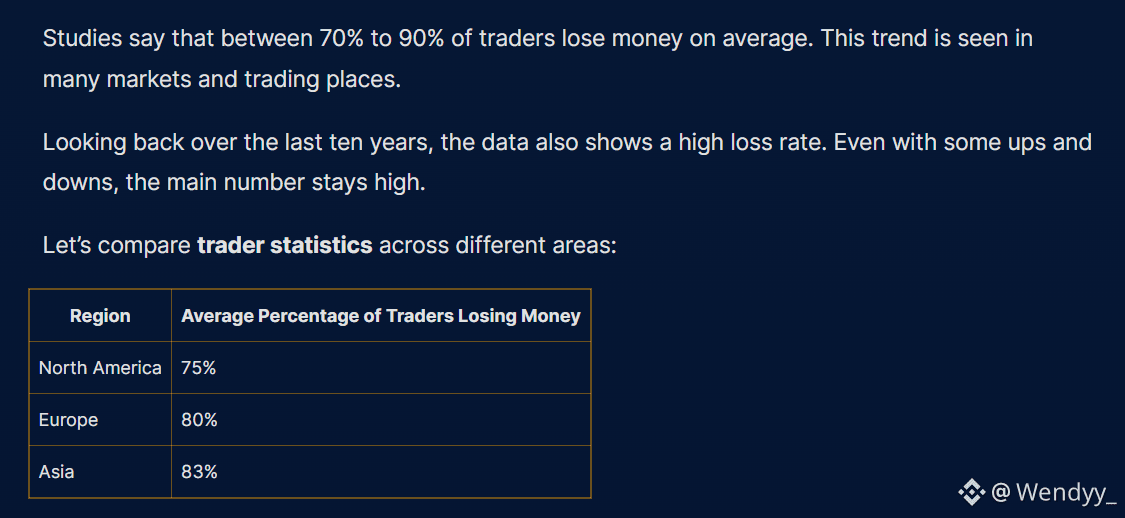
Across major platforms such as Binance, statistics consistently show that the majority of retail traders using leverage lose money over time. Knowing what long and short mean in theory is not enough. Survival depends on discipline and risk control.
Key Considerations for Beginners
For newcomers, the priority should never be maximizing profit. It should be minimizing mistakes. Mastering spot trading first builds intuition without liquidation risk. When moving into long-short trading, low leverage and small position sizes allow room for learning.
Only capital you can afford to lose should ever be used. Stop losses should be placed deliberately, not emotionally. Above all, trades should be planned in advance rather than entered on impulse.
Final Thoughts: Understand Long and Short Before You Commit Capital
So what do long and short truly represent in crypto trading? They are powerful tools that allow traders to participate in any market condition, but they demand respect. Leverage magnifies both skill and error, and the market punishes hesitation and overconfidence alike.
Rather than treating long–short trading as a shortcut to fast money, it’s better viewed as an advanced skill set. Progress comes from studying, trading small, reviewing every decision, and staying honest with yourself.
Before clicking the buy or sell button, ask two questions. Do I genuinely understand this position, or am I reacting emotionally? And do I have a clear plan for risk if the market moves against me?
When you can answer both calmly, you are already trading with a professional mindset. ^^
This article is for informational purposes only. The information provided is not investment advice