
Most scaling discussions focus on faster transactions, lower fees, or infrastructure deployment.
But when I study blockchain expansion deeply, the real question becomes much bigger:
Who controls the system after scaling happens?
Sovereignty in blockchain breaks down into three tangible controls:
execution sovereignty (your own VM/rules), economic sovereignty (your own treasury/fees), and exit sovereignty (users can always withdraw).
Plasma encodes all three into its architecture—that's not a feature checklist, it's a political statement about who controls scaled environments
Many scaling solutions improve performance but quietly reduce ecosystem independence.
Projects often gain speed while losing governance flexibility, economic control, and long-term technical freedom.
Plasma approaches scaling differently. Instead of acting like an extension layer, Plasma allows networks to operate as independent ecosystems while still benefiting from Ethereum’s security.
This changes scaling from being just infrastructure expansion into something closer to digital sovereignty.
Plasma chain build to their own rules
This isn't just flexibility—it's execution sovereignty.
Chains retain control over their virtual machine, transaction logic, and upgrade timing without waiting for external protocol governance.Plasma is architectural independence.
Networks using Plasma are not forced to follow rigid execution environments. they can design their own virtual machines and transaction logic based on their ecosystem needs.
This flexibility allows the projects to move faster without waiting for the external protocol updates.
This Innovation becomes internally driven rather than the infrastructure restricted.
Plasma also allows chains to manage their own economic models. Treasury design, fee structures, and token strategies remain controlled by the ecosystem itself.
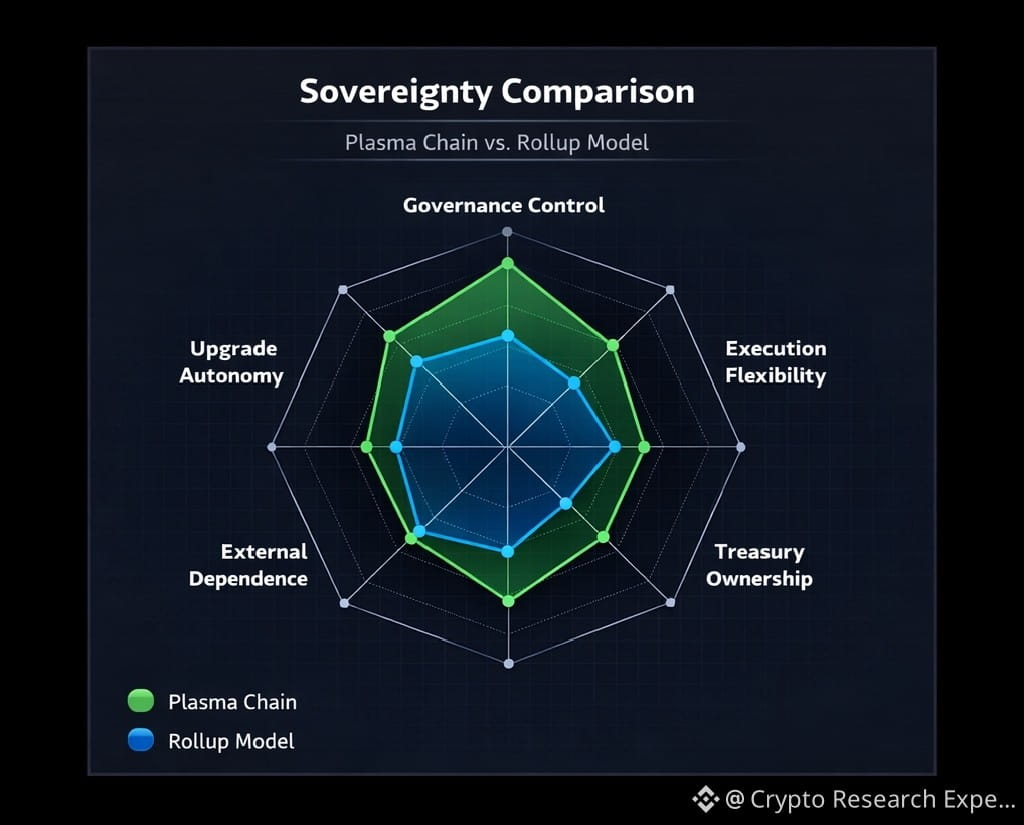
Many rollup-based environments depend heavily on external infrastructure pricing models, which can create long-term cost unpredictability. Plasma reduces that dependency.
Governance is another critical area where Plasma stands out. Decision-making gives authority to stays within the chain’s ecosystem .
It's Upgrades the validator policies, and economic adjustments can evolve according to the internal strategy rather than external control.
This creates real economic value:
sovereignty premiums. In traditional finance, nations pay for monetary independence. In crypto, chains that control their own execution, economics, and exits avoid the 'rent leakage' that plagues rollup ecosystems.
Plasma take Security as a Service, Not a Cage
As we talk before, that scaling is a way of control same at bank control on our money then Blockchain create same as Plasma creates an interesting balance between the independence and security.
Instead of operating as isolated chains, Plasma environments anchor settlement and dispute resolution to Ethereum.
This relationship is economically aligned. Fees flowing toward Ethereum validators act as payment for settlement guarantees rather than operational rent. The difference may sound small, but it changes how value flows across layers.
When liquidity moves across the Plasma ecosystems, participants knows the settlement remains backed by one of the most secure blockchain environments available.
Compared to centralized sequencer models often seen in rollups, Plasma offers clearer economic transparency and reduces hidden infrastructure risks.
Plasma Exit : No Locked Doors
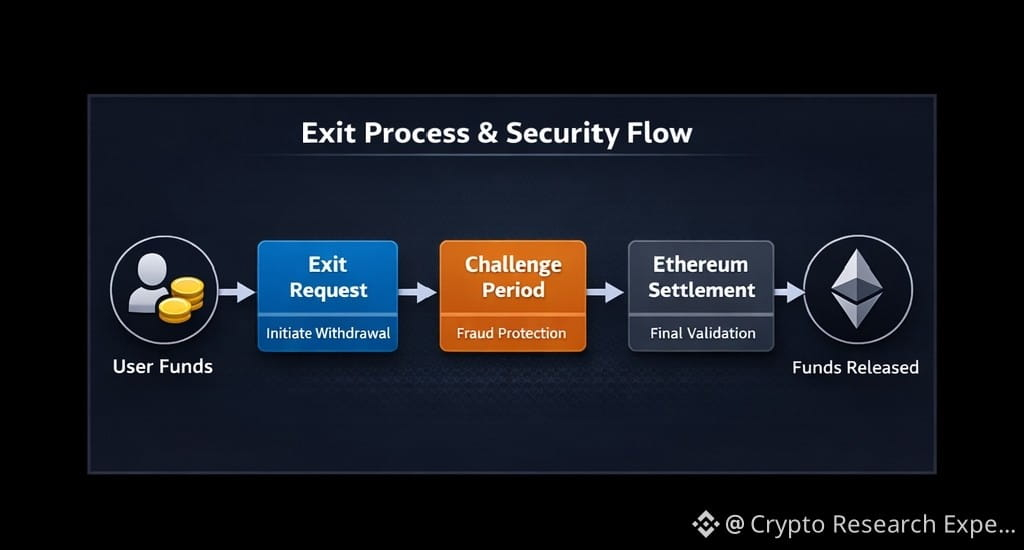
One of the Plasma’s most powerful features is its exit mechanism It doesn't ask you to compromise . This system ensures users always maintain the ability to withdraw assets back to Ethereum even if internal chain operations fail their assets cannot be lost and this is the most important thing for me and for as user also.
This is not just a technical feature — it represents user sovereignty protection. Many blockchain ecosystems promise security but rely heavily on governance or infrastructure reliability. Plasma gives withdrawal rights directly into its architecture.
From a liquidity perspective, exit guarantees increase capital confidence. Investors and users are far more comfortable allocating assets to ecosystems where funds cannot become permanently trapped.
This mechanism strengthens ecosystem credibility while reducing systemic liquidity risks.
Plasma Keep the Liquidity Flowing, Not Stuck
Liquidity fragmentation remains a major challenge across the multi-chain ecosystem because it has more things to watch .
Capital spreads across isolated networks, forcing users to rely on the bridges and synthetic asset representations which are expensive and inaccessible to many users .
These additional layers is like a burden and risk the security
Plasma partially addresses the fragmentation by maintaining unified settlement credibility through Ethereum anchoring. Liquidity moving between Plasma environments operates under consistent trust assumptions, which improves capital efficiency.
While fragmentation cannot be fully eliminated, Plasma reduces trust inconsistencies between execution environments. This becomes extremely important for institutional adoption and large-scale liquidity movement.
Building a Chain That Stays Independent
Plasma isn't selling scalability. It's selling sovereignty—and in a world where every layer seems to centralize control, that might be the most valuable feature no one's pricing in
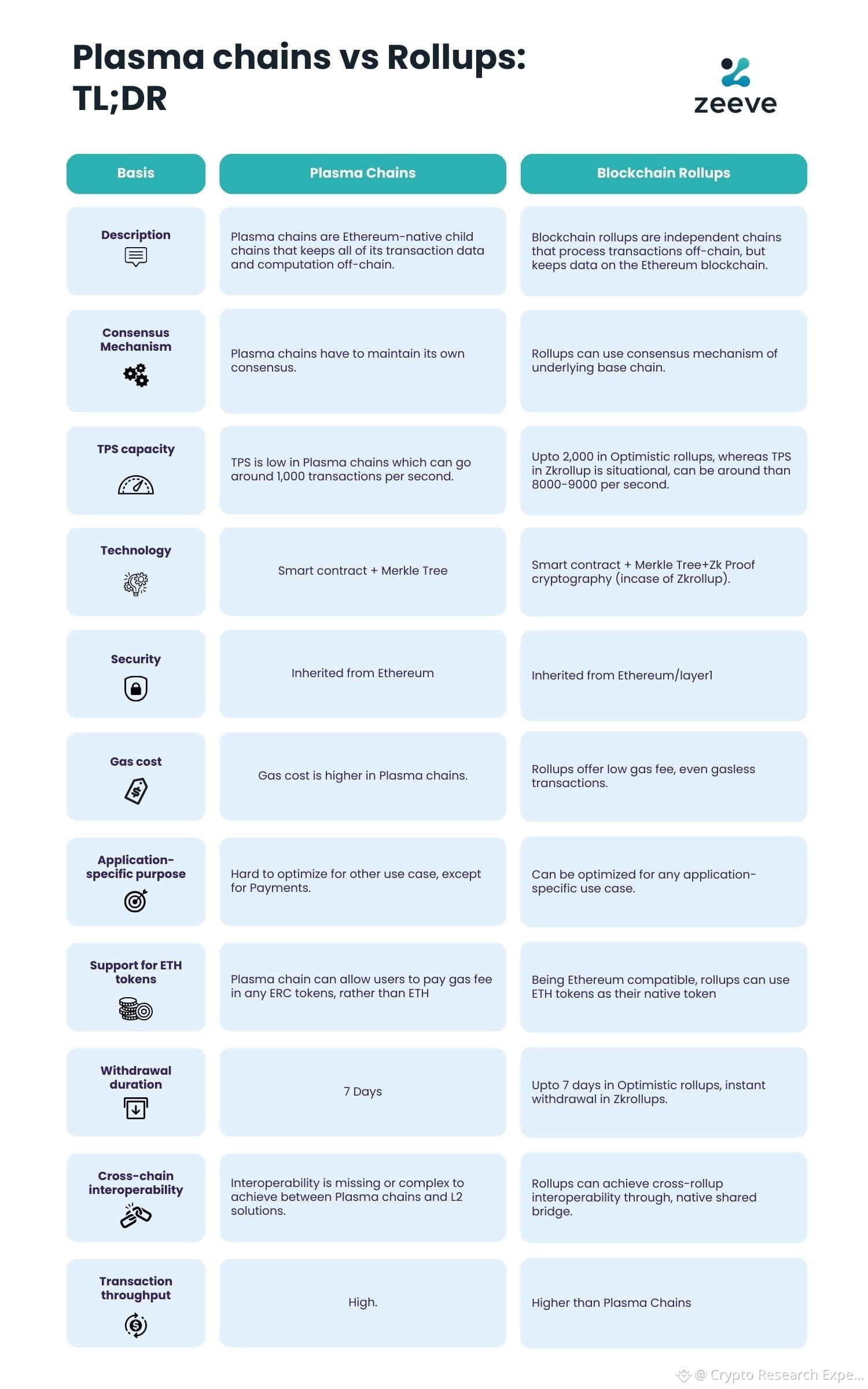
By combining internal ecosystem control with Ethereum-backed settlement security,
Plasma allows networks to operate as sovereign digital jurisdictions #plasma @Plasma $XPL