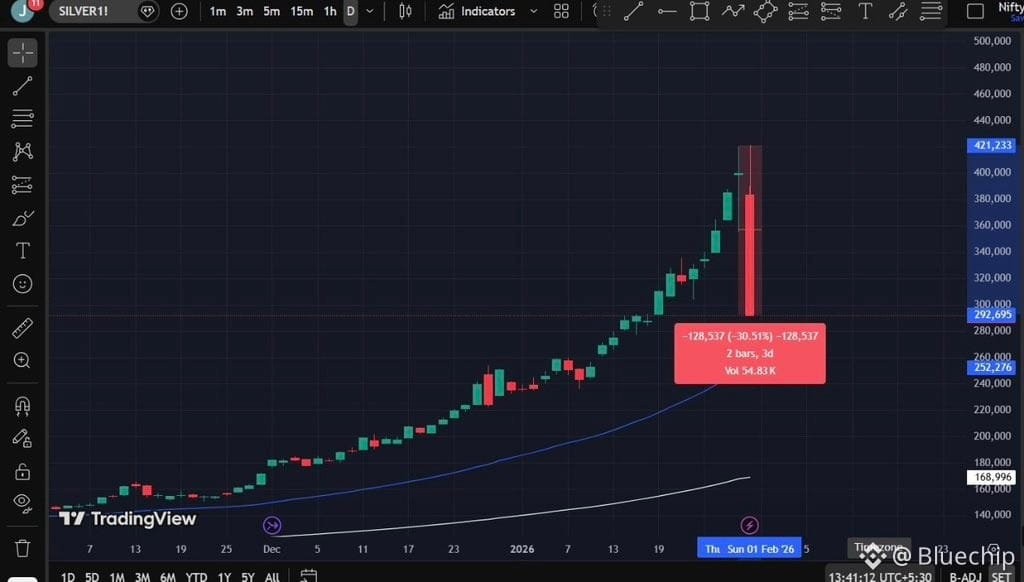
A structured analysis of how U.S. variables are impacting precious metals
Over the past few weeks, gold and silver experienced a strong rally driven by safe-haven demand, along with market expectations of an upcoming easing in U.S. monetary policy.
However, recent developments in the U.S. economy have clearly altered the pricing environment, leading to sharp corrections in precious metal prices.
So, what actually changed?
First: U.S. inflation and shifting rate expectations
Recent U.S. inflation data showed a relative slowdown, but at the same time confirmed that inflation remains at relatively elevated levels.
This pushed markets away from the scenario of a fast and early rate cut, toward pricing a “higher for longer” interest-rate environment.
Gold and silver do not generate yield. As a result, higher interest-rate expectations increase the opportunity cost of holding them, creating downward pressure on their prices.
Second: Rising U.S. real yields
As monetary policy expectations were repriced:
U.S. Treasury yields increased
Real yields rose alongside them
This factor played a key role in accelerating the correction, as bonds became more attractive relative to gold and silver, prompting capital reallocation away from precious metals.
Third: Strength of the U.S. dollar
Higher yields, combined with relatively resilient U.S. economic data, translated directly into a stronger dollar.
Since gold and silver are priced in dollars, a stronger U.S. currency:
Reduces purchasing power for non-U.S. investors
Adds further downward pressure on prices
Fourth: Futures market dynamics
After strong price rallies:
Producers increased hedging activity by selling futures contracts at higher levels
On the other side, buyers became more cautious, as hedging costs appeared high and unattractive
Once prices started to decline, behavioral dynamics took over:
Position reductions, momentum selling, and rapid exits by risk-averse investors, accelerating the pace of the downside move.
Fifth: Why was silver more volatile than gold?
Gold is primarily a monetary metal, mainly influenced by interest-rate expectations, yields, and the dollar.
Silver, however, has a significant industrial component in addition to being a precious metal. This makes it more sensitive to economic repricing and, therefore, more volatile in its price movements.
Conclusion
What we are currently witnessing is not a collapse in demand for gold or silver,
but rather the result of a broad repricing of U.S. variables:
Inflation data
Monetary policy expectations
Yields
The dollar
Futures positioning
Followed by a price correction
Understanding this sequence helps investors distinguish between short-term volatility and the long-term outlook for precious metals.