

There was a small moment in my day recently that made me pause and think about something much bigger. I was at a local shop buying a few groceries and like most people these days I paid using my phone. The payment happened instantly. No cash. No waiting. Just a quick confirmation on the screen and I walked out.
But as I stepped outside I caught myself wondering about something we rarely think about. Every time we tap our phones or log into an app we are leaving behind small pieces of information. Payments. Locations. Activity. All of it flows quietly through digital systems that most of us never see. That simple everyday moment made me think about how deeply our lives are connected to invisible networks of data.
Over the past few months I have been noticing a strange pattern in the digital world. Technology is becoming more powerful and more convenient but at the same time it is becoming more transparent in ways we do not always notice. Platforms collect data to improve services. Networks analyze behavior to optimize systems. Everything seems to revolve around information.
Blockchain technology originally promised a different direction. It introduced the idea that systems could operate without centralized control. Public ledgers allowed anyone to verify transactions which created a new kind of trust between strangers on the internet. But the more I observed how these networks function the more I realized something unusual. Transparency in blockchain often means that almost everything is visible.
That realization stayed in my mind for a while. Transactions can be tracked. Wallet activity can be analyzed. Patterns can be studied by anyone with the right tools. While this openness builds trust it also raises a question that I could not ignore. What happens to privacy in a world where every action can potentially be traced?
That curiosity eventually led me to discover something called Midnight Network. At first it sounded like just another blockchain project and I was not immediately convinced that it was anything special. The crypto industry introduces new ideas constantly and many of them disappear just as quickly as they appear. But the deeper I looked the more I realized that this project was exploring something much more fundamental.
Midnight Network is built around a concept called zero knowledge technology. When I first heard that phrase I had to read about it more than once because it almost sounded like science fiction. The idea is surprisingly simple though. It allows someone to prove that something is true without revealing the actual information behind it.
To understand it better I imagined a situation from everyday life. Suppose you want to enter a place that requires you to be over a certain age. Normally you would show your identification card and reveal your full birthdate along with other personal details. But what if you could simply prove that you meet the age requirement without sharing any of that extra information. The verification happens but the sensitive data stays private.
That is essentially what zero knowledge systems try to achieve. They allow networks to confirm that rules are being followed without exposing the underlying data. When I applied that idea to blockchain it suddenly made a lot of sense.
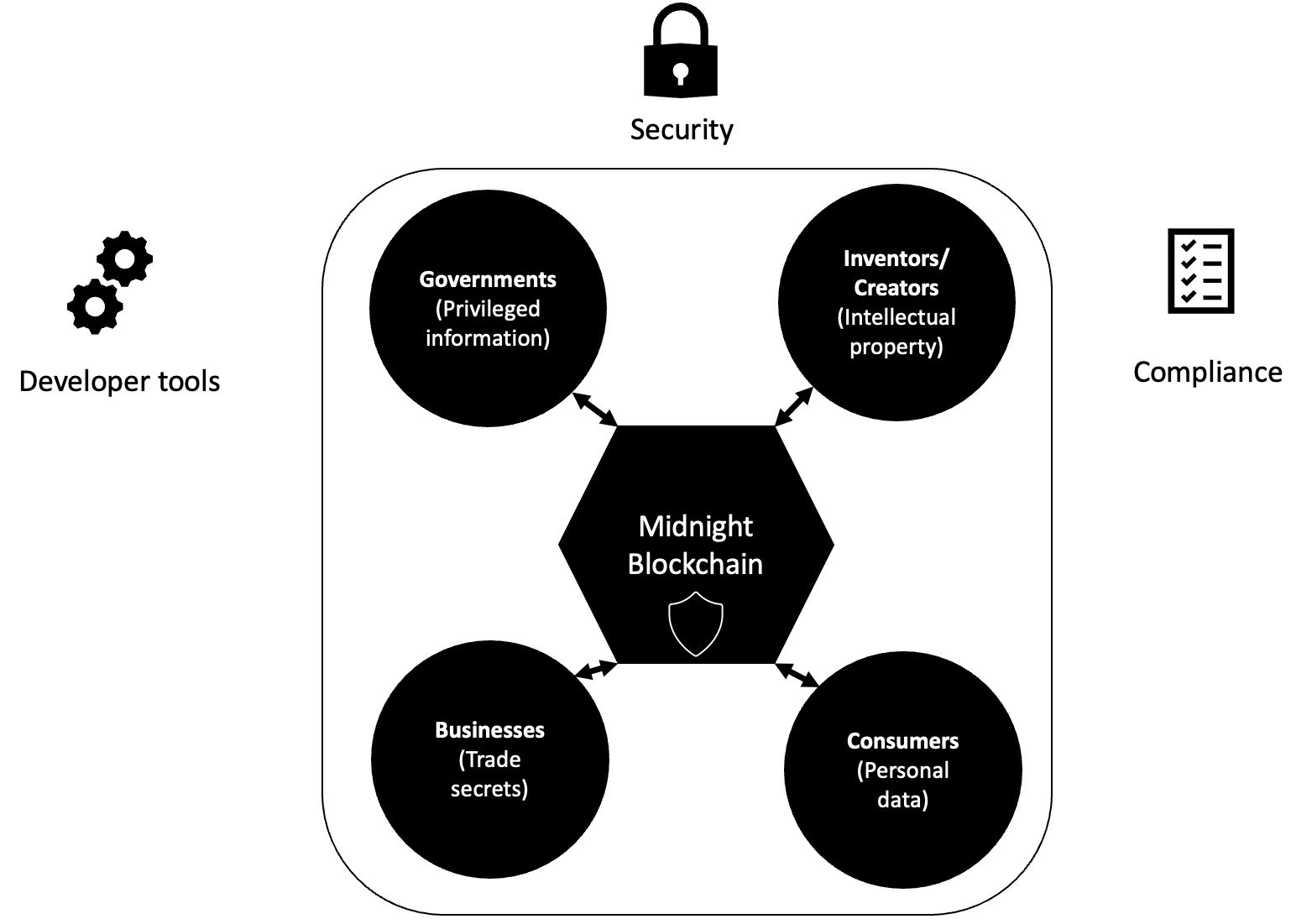
Midnight Network appears to be exploring how decentralized systems could function while protecting sensitive information. Transactions and applications can still exist on a blockchain but the details that people want to keep private do not have to be exposed to the entire world. Instead of broadcasting everything publicly the system focuses on proving validity while preserving confidentiality.
The more I thought about this approach the more important it began to feel. Blockchain technology has always balanced two powerful forces. On one side there is transparency which allows anyone to verify activity. On the other side there is privacy which people naturally expect when dealing with financial or personal data. Until now many networks have leaned heavily toward transparency.
But real world systems are rarely that simple. Financial transactions often need confidentiality. Businesses cannot expose every contract detail publicly. Personal identity information needs protection. Without strong privacy layers many blockchain applications struggle to move beyond experimental environments.
What I find fascinating is how this shift could influence the entire design philosophy of decentralized technology. Developers may start building systems where only the necessary proof is shared rather than exposing full datasets. Verification becomes smarter and more selective. Privacy becomes a core feature rather than an optional add on.
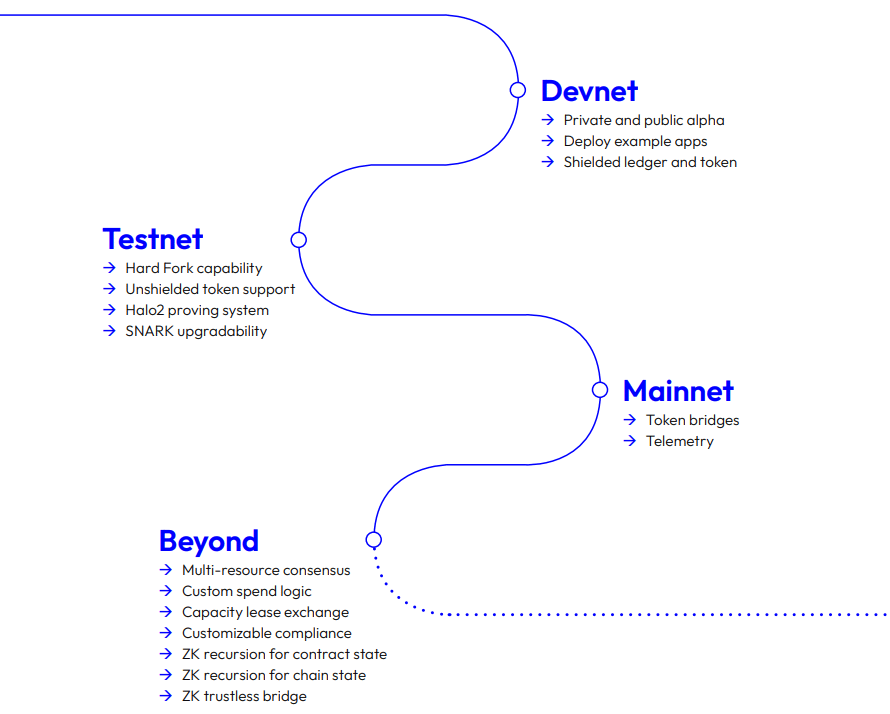
At the same time I cannot ignore the challenges that come with these ideas. Zero knowledge cryptography is extremely complex and building scalable systems around it requires careful engineering. There is also the question of adoption. Developers need tools. Institutions need clarity. Regulators need confidence that privacy technologies can coexist with accountability.
Still when I step back and look at the bigger picture it feels like the industry is slowly moving toward a new phase. The early days of crypto were about digital currency. Then came decentralized finance and programmable smart contracts. Now the conversation seems to be shifting toward data ownership identity and privacy focused infrastructure.
In a world where artificial intelligence and digital services generate enormous amounts of data every day protecting information is becoming more important than ever. Systems that allow verification without exposing sensitive details might become a crucial part of the digital future.
When I think back to that simple grocery store moment it almost feels symbolic. A small everyday transaction made me realize how much of our lives flow through invisible networks. We trust these systems to handle our data responsibly even though we rarely see how they work.
Midnight Network made me reflect on that relationship between people and technology. It suggests that decentralized systems do not have to force us to choose between participation and privacy. Instead they might offer a path where both can exist together.
I do not know exactly how this story will unfold or which technologies will shape the next generation of blockchain infrastructure. But one thing feels clear to me. The conversation around privacy is only beginning.
And sometimes the most important shifts in technology start quietly with a simple question. What if we could build digital systems that respect our privacy as much as they value transparency.