
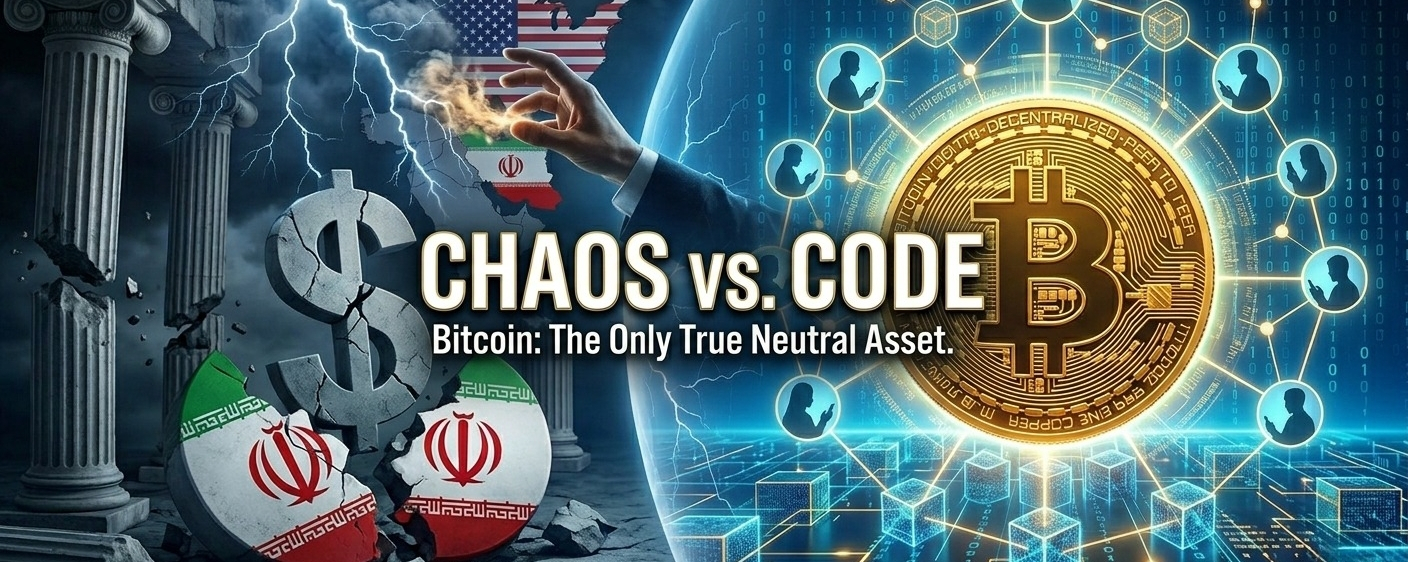
We live in an era where a single tweet, press conference, or secret meeting can create significant disruptions in global financial markets. Currently, everyone is focused on the crucial negotiations between Iran and the United States (US). People are wondering: What will this mean for the global economy? Will the Dollar get stronger? Will Bitcoin fall?
The Geopolitical Chessboard and Traditional Markets
Traditional finance has always followed politics. Whenever there is conflict or negotiation between major powers, stock markets, Forex (currencies), and commodities like Gold and Oil become extremely volatile. These markets depend on confidence and stability, which can disappear instantly due to geopolitical events.
The Clash of Systems
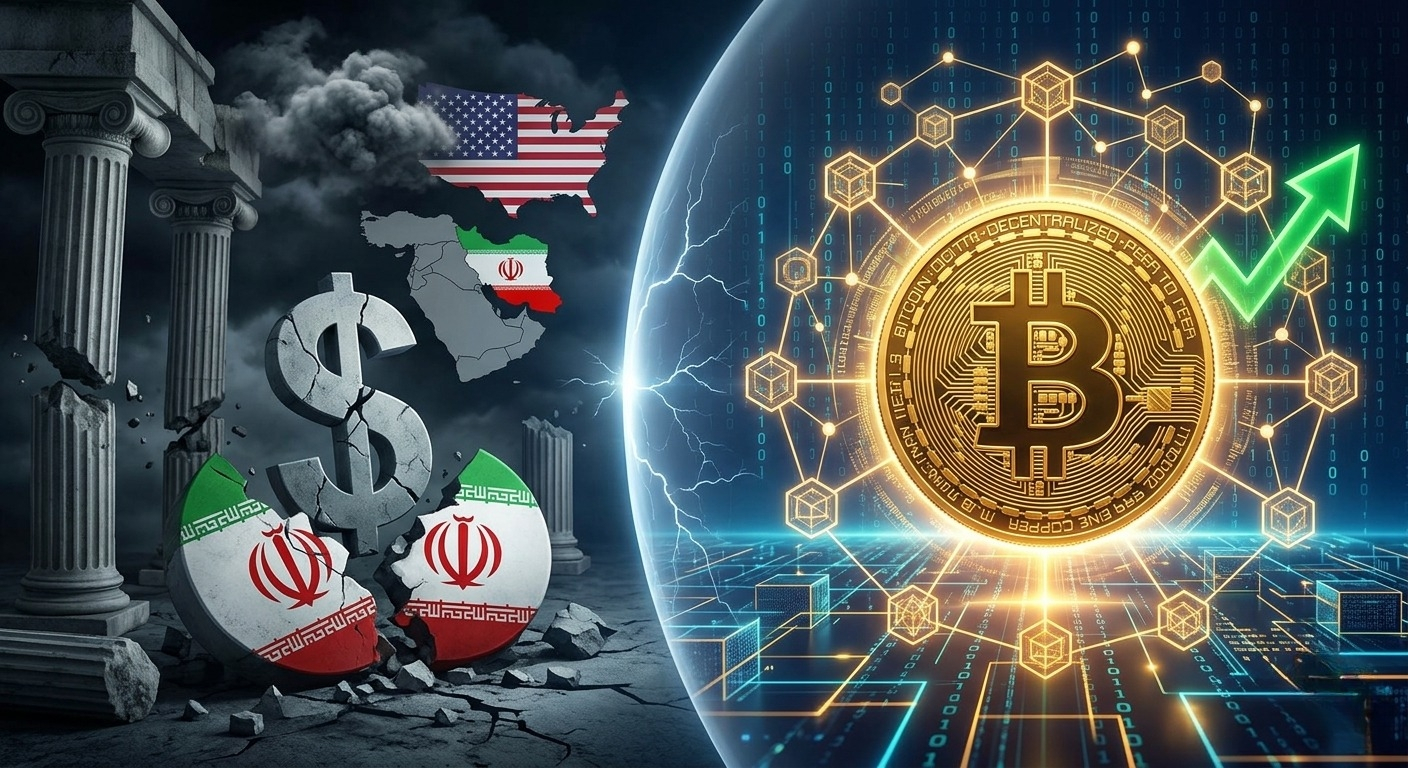
(Note to publisher: Place the image showing the chaotic crumbling Dollar/Rial signs vs. the structured glowing Bitcoin blockchain here.)
The Iran-US talks illustrate this well. Good news might lower oil prices and reduce global inflation, but it could also weaken the US Dollar’s long-standing dominance as sanctions ease and alternative trade routes emerge. On the other hand, bad news sparks fear, pushing investors toward perceived Safe Havens like Gold.
Markets react constantly and get caught in cycles of speculation. But there is another option.
Bitcoin: The Ultimate Stateless Asset
This is where the shift happens. Bitcoin $BTC has real power because of its core design: it is Decentralized, Permissionless, and Stateless. It doesn’t rely on a central bank in Washington, D.C. or Tehran. Its monetary policy follows unchangeable mathematical rules, not political goals or diplomatic plans.
When the US and Iran negotiate, they focus on terms that align with their national interests. Bitcoin, however, is indifferent to these interests. Bitcoin only follows its protocol.
Global Financial Sovereignty
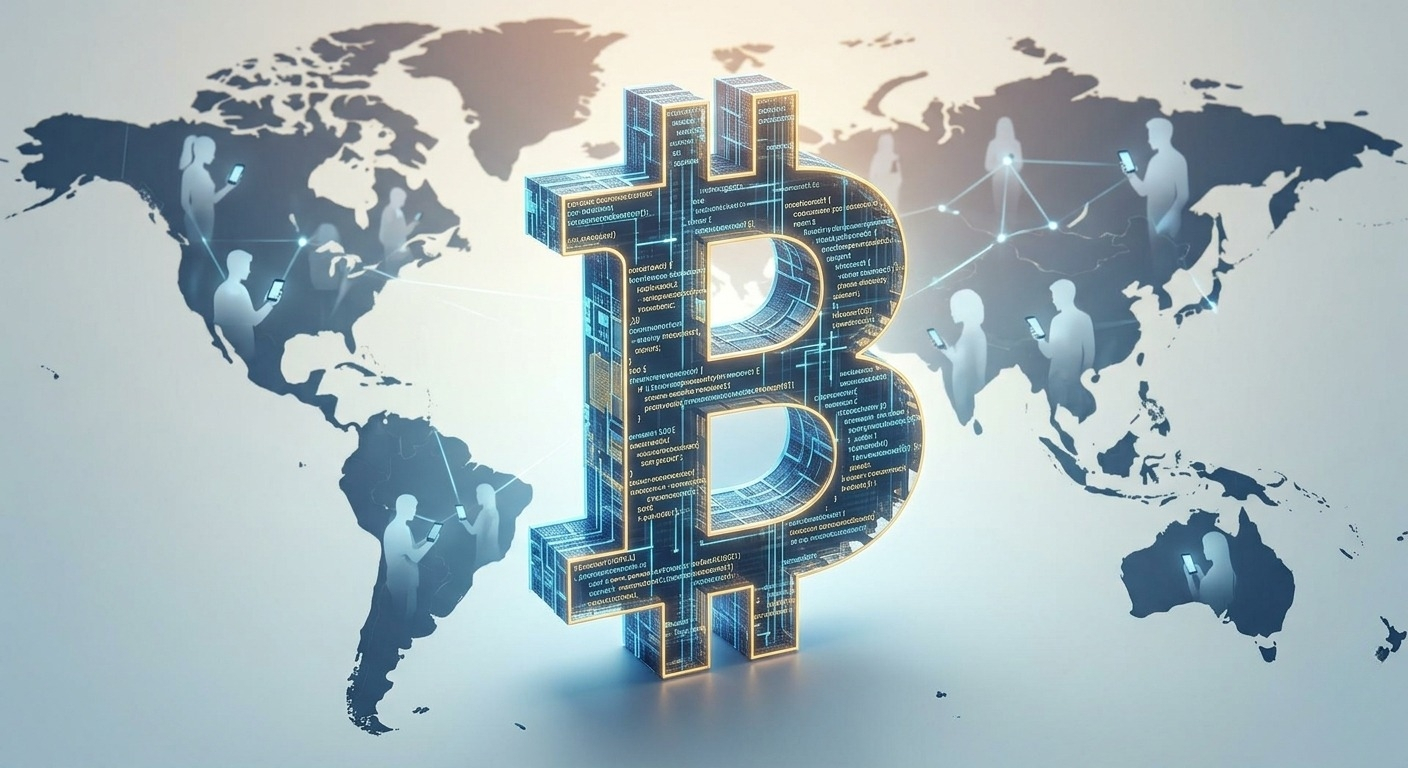
(Note to publisher: Place the image showing the global map where people are connected directly by a massive glowing Bitcoin symbol, bypassing borders, here.)
Knowledge Drop: The Neutrality Argument
Immutability: No government can change the distributed ledger.
Censorship Resistance: No authority can block a transaction between two willing parties.
Predictability: The supply cap of 21 million BTC is fixed. In contrast, fiat currencies can be printed endlessly to fund conflicts or stimulate economies.
In the short term, Bitcoin's price can be volatile because it is valued in fiat currencies (like the US Dollar). But in the long run, its value as a neutral reserve asset becomes stronger as geopolitical uncertainty increases.
Conclusion: The Winner Regardless of the Outcome
Whether the Iran-US talks succeed or fail, the resulting stability or chaos will lay bare the weaknesses of centralized financial systems.
If the talks succeed and stability returns, capital may shift to risk-on assets. However, the overall trend toward digital stores of value will continue.
If the talks fail and volatility skyrockets, Bitcoin will likely regain its status as the ultimate digital Safe Haven. Investors will look for assets that are entirely outside of government control.
Geopolitical noise is temporary. Decentralization is permanent. In a chaotic world, Bitcoin is the only system that works exactly as it was intended to, regardless of who is talking, who is listening, and who is winning the political game.
The Unshakable Foundation
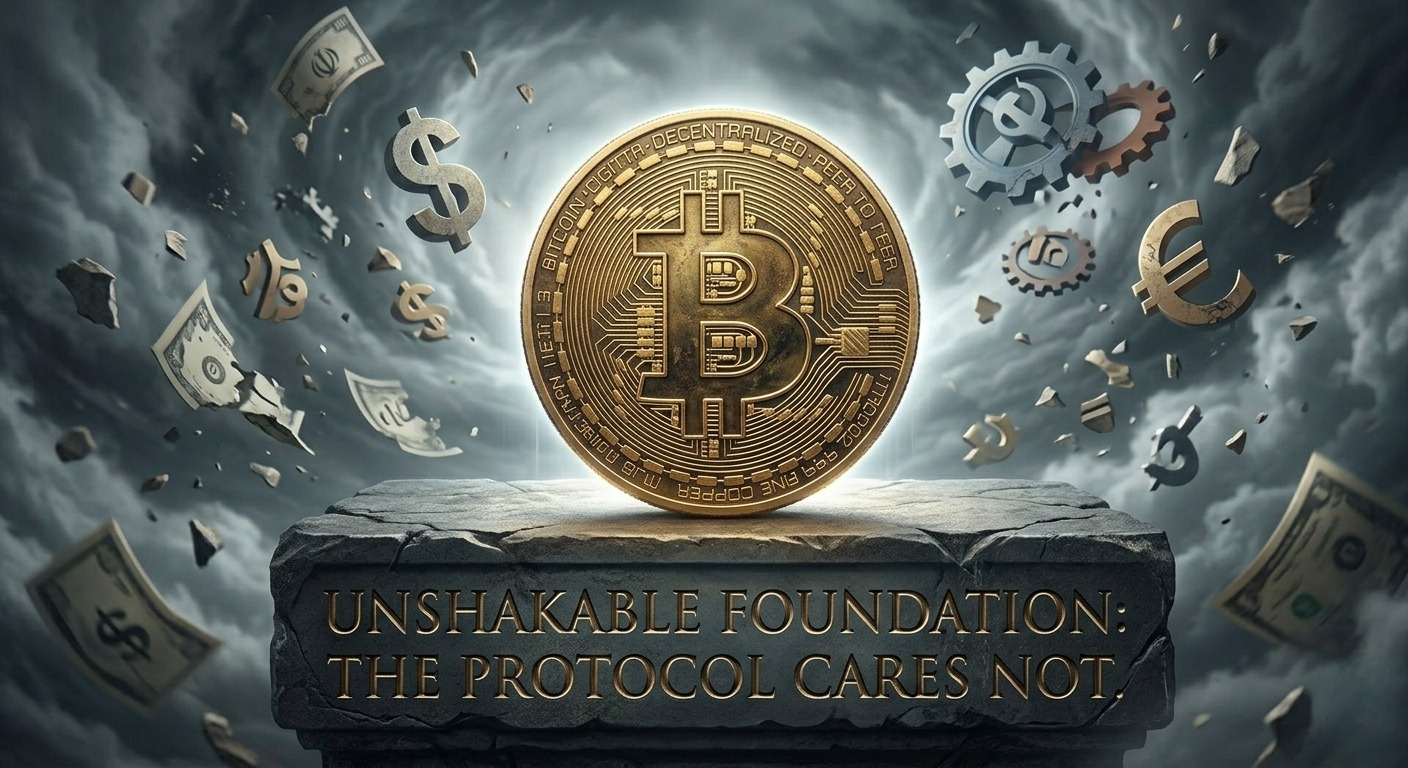
(Note to publisher: Place the final close-up image of the unshakable golden Bitcoin coin on the stone pedestal, contrasting with the background storm, here.)
#bitcoin #CryptoNews🔒📰🚫 #globaleconomy

