Walrus is one of those tokens that teaches you patience the hard way. Not because it’s quiet, but because when it moves, it rarely does so for the reasons traders expect. The first thing I noticed after holding WAL wasn’t volatility, but how uneven its liquidity felt. Depth would look fine for days, then disappear abruptly. Small trades would slip price further than they should, then nothing would follow. That kind of behavior usually points to infrastructure-driven demand rather than speculative flow, and Walrus fits that pattern almost uncomfortably well.
Walrus lives at an awkward intersection of storage, privacy, and DeFi, and that shows up directly in how the token trades. Its core utility isn’t constant transactional churn. It’s tied to decentralized storage on Sui, using erasure coding and blob distribution, which means usage scales in chunks, not streams. You see this when activity spikes briefly around deployments or testing phases, then fades. Traders read that as fading interest. In reality, storage doesn’t behave like swaps or lending. Data gets written, sits there, and stops generating visible motion.
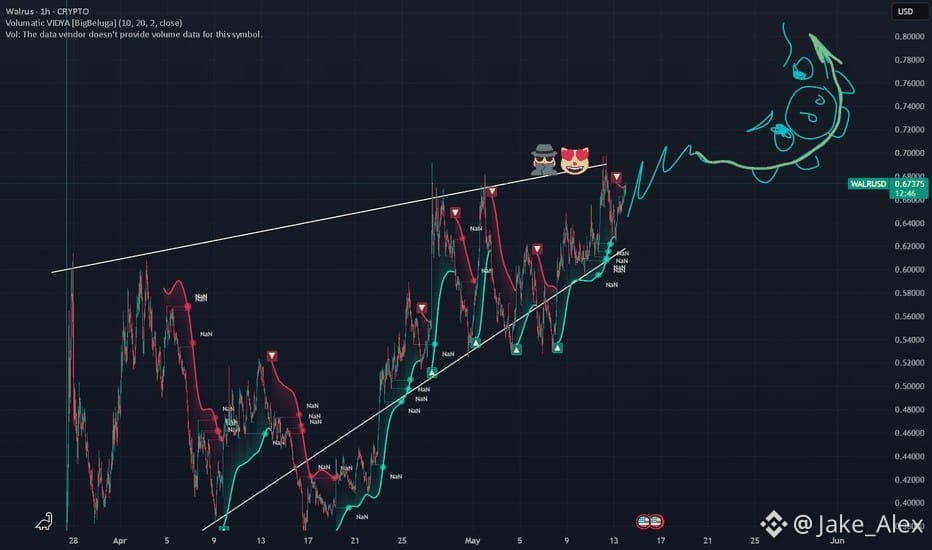
That architectural reality quietly shapes WAL’s market. There’s no reason for users to constantly touch the token once storage is allocated. Fees don’t loop back into aggressive demand, and governance participation is sparse because most users are builders, not speculators. As a result, the token spends a lot of time decoupled from visible usage. I’ve watched periods where network-side progress was obvious if you knew where to look, while price drifted sideways or bled simply because nothing forced attention back onto WAL.
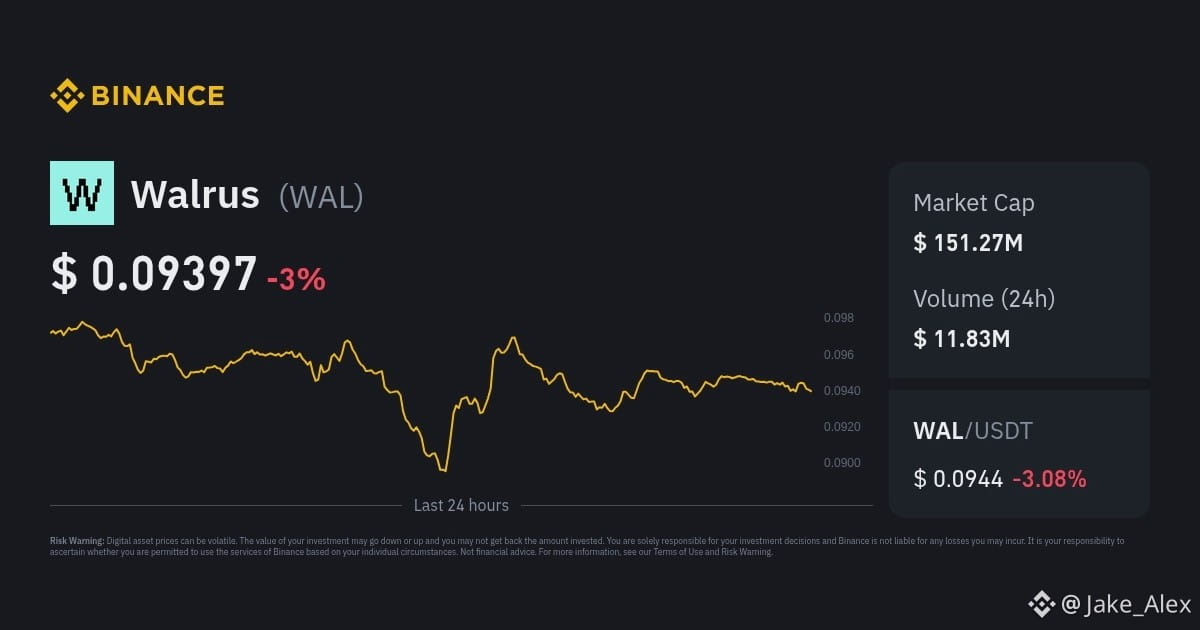
Liquidity gaps are the most honest signal here. WAL tends to trade well when there’s narrative overlap with DeFi or $SUI ecosystem momentum. Outside of that, liquidity thins fast. You notice it when volume dries up after an initial move and price stops respecting obvious levels. That’s not market makers leaving; it’s a lack of organic two-sided flow. The protocol doesn’t incentivize constant participation, so the market doesn’t either. Traders expecting reflexivity get frustrated and exit, reinforcing the thinness.
Staking and incentives add another layer of friction. WAL holders often lock supply for reasons that have nothing to do with price expectations. That reduces float in unpredictable ways. When enough supply is parked, price becomes jumpy. When it unlocks, there isn’t always demand waiting. I’ve seen WAL drift lower on unlocks without panic, just absence. No bids rushing in, no sellers pressing. Just gravity. That’s a sign of a token whose economic role isn’t aligned with short-term trading.
Privacy is another misunderstood factor. Walrus is built for private interactions and storage, which means a lot of its real usage doesn’t broadcast itself loudly. Traders are conditioned to read on-chain transparency as health. When signals are muted, they assume nothing is happening. That creates a perception gap where progress fails to translate into confidence. I’ve seen WAL underperform peers simply because its activity isn’t easily narrativized. The market prices what it can explain, not what it can’t see.
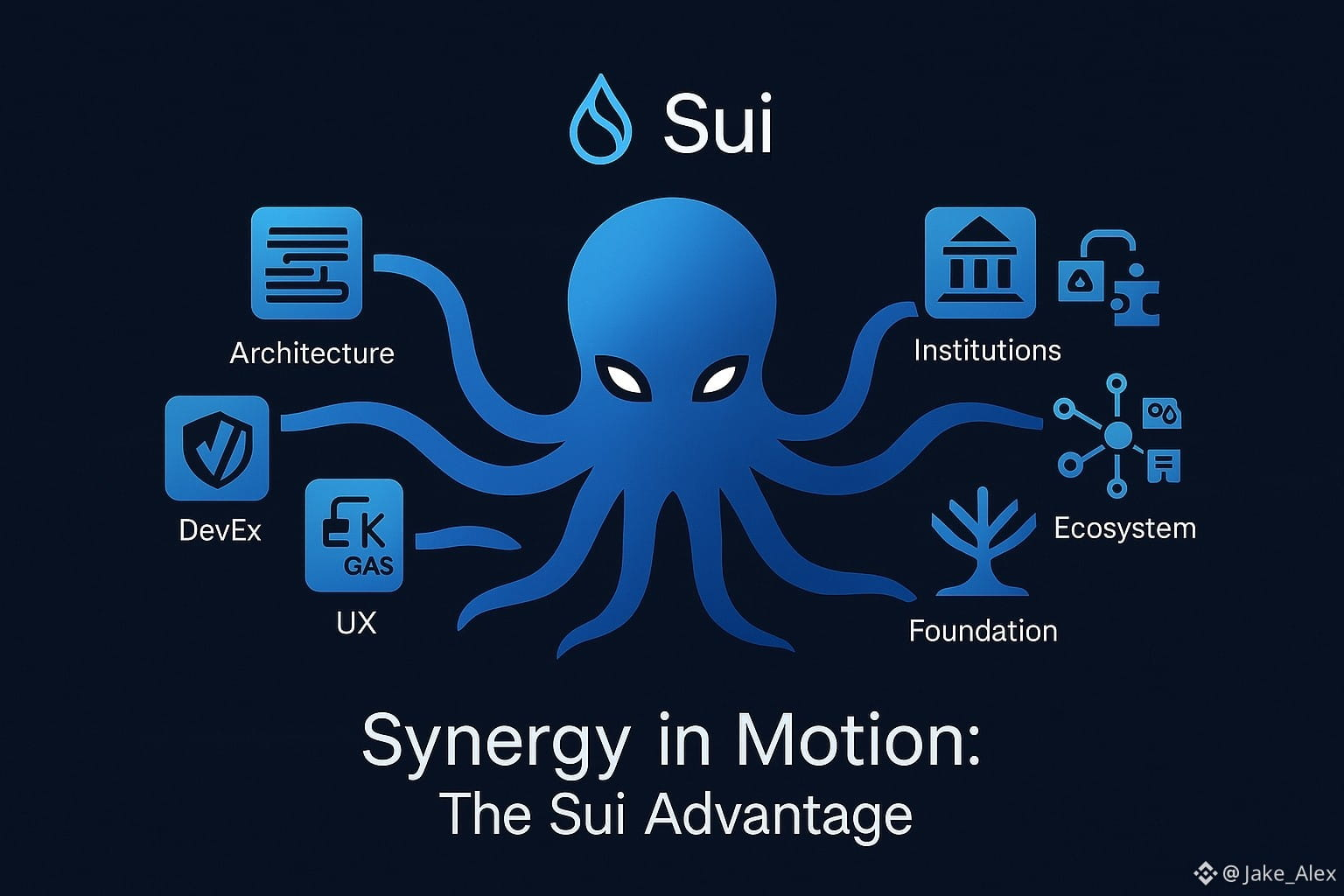
Operating on Sui helps performance, but it also ties Walrus to a still-forming ecosystem. That limits demand sources. Enterprises move slowly. Developers test quietly. None of that creates the kind of constant fee pressure traders look for. Adoption, when it comes, arrives in steps. That’s why WAL often looks asleep until it doesn’t. Moves feel late and awkward because expectations were anchored to the wrong signals.
There are real weaknesses here. Storage is competitive, and Walrus doesn’t subsidize usage aggressively. Without incentives forcing growth, adoption relies on genuine need. That’s slower and less forgiving. From a market perspective, that means long periods of uncertainty where price drifts because no one feels urgency. Traders mistake that for failure. It’s more accurate to call it economic honesty, even if honesty trades poorly in speculative markets.
Over time, I’ve stopped trying to trade WAL like a momentum asset. It doesn’t reward that mindset. The token reflects infrastructure cadence, not attention cycles. When price moves, it’s usually because assumptions finally adjust, not because something new was announced. That’s why entries feel uncomfortable and exits feel anticlimactic. There’s rarely a clean story to lean on.
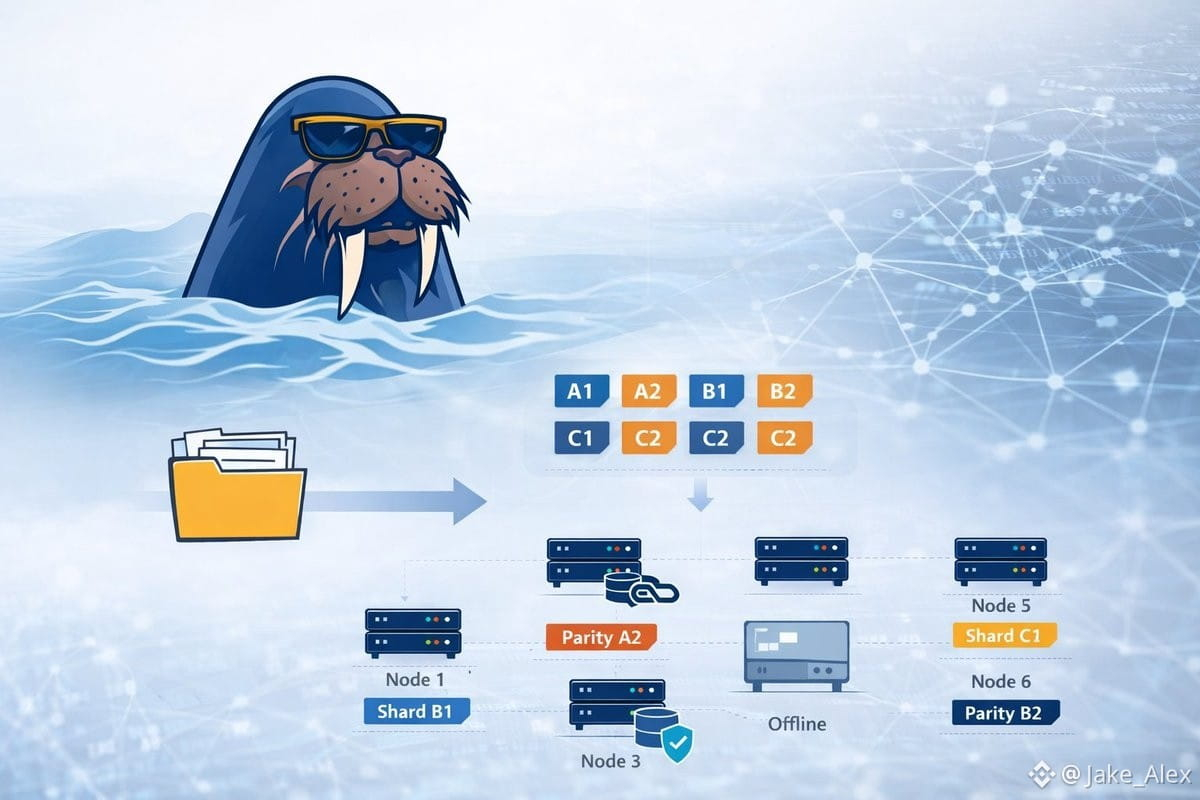
The realization with Walrus is that its market isn’t broken; it’s just aligned with a different clock. If you read it through narratives, it looks inactive and mispriced. If you read it through structure, the behavior is consistent. WAL trades like a piece of plumbing, not a billboard. The market struggles with that distinction, and until it learns to separate visible noise from economic function, Walrus will continue to confuse people who expect infrastructure to perform like spectacle.