
If you’ve been following the DePIN and AI space lately, you’ve probably seen the name @Fabric Foundation popping up everywhere. But this isn't just another AI hype cycle—we’re witnessing the actual plumbing of a machine-to-machine economy being laid down right now.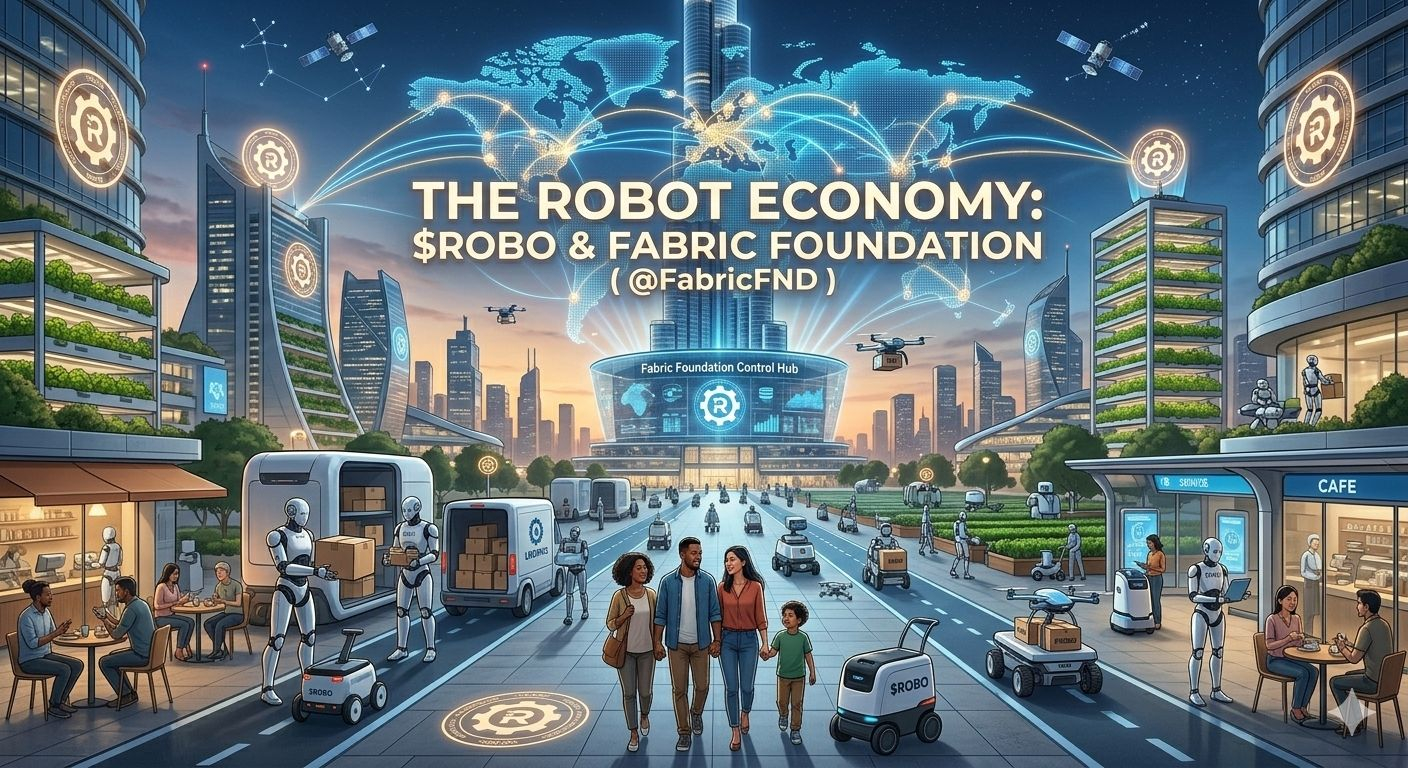
The Problem: Siloed Silicon
For a long time, robotics felt like the early days of computers—every manufacturer had their own "walled garden." If you bought a robot from Company A, it couldn't talk to a robot from Company B. Fabric Foundation is breaking those walls down with the OM1 operating system. Think of it as the "Android for Robots"—a hardware-agnostic brain that allows quadrupeds, humanoids, and robotic arms to share skills and situational awareness in real-time.
The Solution: $ROBO as the Universal Fuel
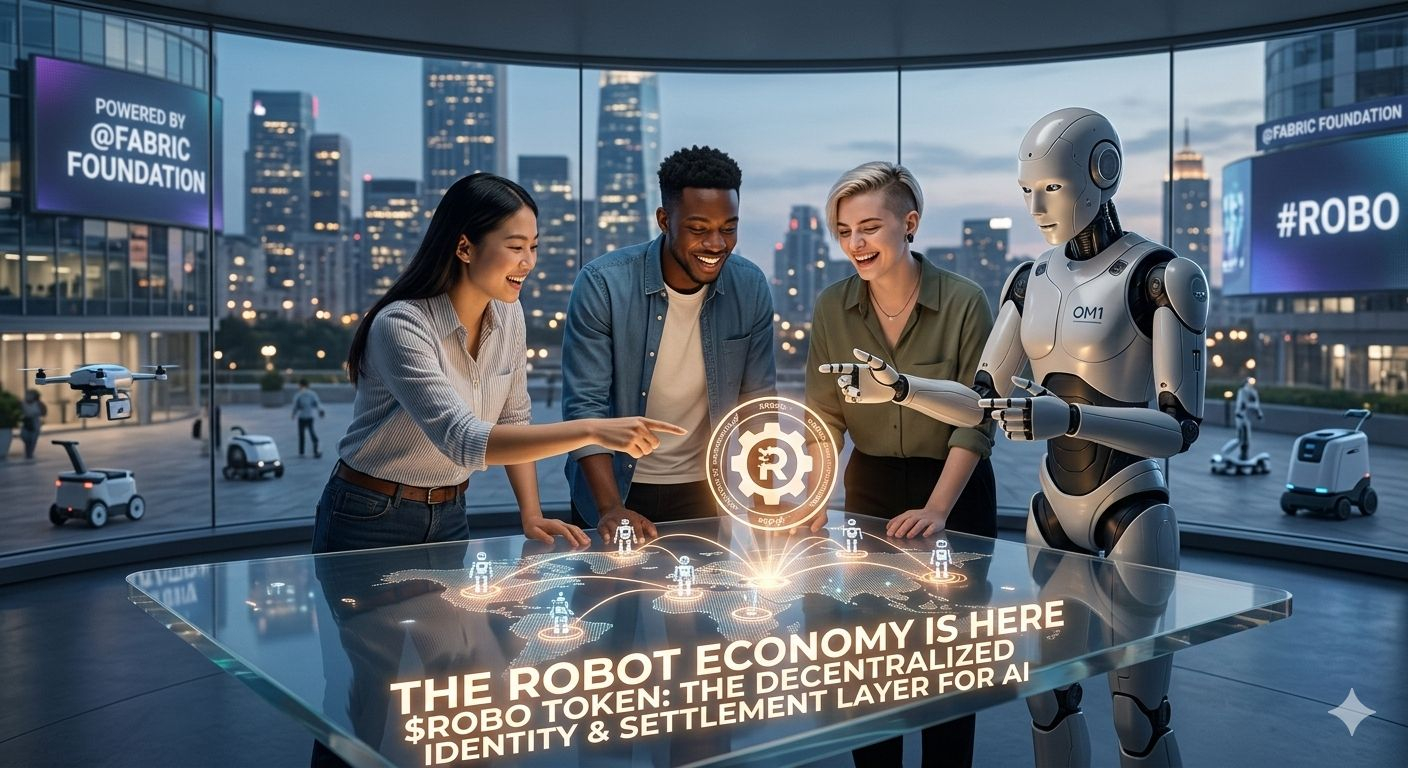
This is where $ROBO comes in. In a world where autonomous machines perform tasks, they can’t exactly open a traditional bank account. They need a native, on-chain identity and a way to pay for data, compute, and even "insurance."
The $ROBO token handles all of this:
Machine Identity: It powers the verifiable registries that let robots prove who (and where) they are.
Settlement: It’s the medium of exchange for task allocation—if a robot does a job, it gets paid in $ROBO.
Human Alignment: It allows us to govern the network, ensuring these machines act according to human-defined rules.
My Take
What I love most about this project is that it moves past the "AI as a chatbot" phase and into the "AI as a physical participant" phase. With the token now live on major spots like Bybit and the massive community energy on Binance Square, the $ROBO ecosystem is finally reaching escape velocity.
The future isn't just coming; it's being coded, and it's powered by decentralized trust. 🚀
#ROBO #FabricFoundation #AI #Robotics #DePIN #Web3 @Fabric Foundation #BitcoinGoogleSearchesSurge