
El rápido avance de la inteligencia artificial y la robótica está transformando industrias, economías y la vida diaria a un ritmo sin precedentes. Las máquinas ya no están confinadas a tareas repetitivas en fábricas; están convirtiéndose en agentes inteligentes capaces de aprender, tomar decisiones e interactuar con los humanos de maneras significativas. Sin embargo, a medida que estos sistemas se vuelven más autónomos e interconectados, surge un desafío fundamental: ¿cómo podemos garantizar la confianza, la coordinación y la gobernanza en un mundo donde las máquinas operan de forma independiente? Fabric Protocol surge como una solución poderosa a este desafío, ofreciendo una infraestructura descentralizada que permite a los robots y agentes de IA colaborar, transaccionar y evolucionar dentro de una red global compartida.
El Protocolo Fabric está diseñado como un sistema abierto y descentralizado que apoya la creación y coordinación de robots de propósito general a través de computación verificable e infraestructura nativa de agentes. A diferencia de los sistemas tradicionales donde los robots operan en entornos aislados controlados por entidades centralizadas, Fabric introduce un marco compartido donde las máquinas pueden comunicarse, realizar tareas e intercambiar valor de manera transparente. En su núcleo, el protocolo aprovecha la tecnología blockchain para proporcionar un libro mayor público que registra interacciones, verifica acciones y garantiza responsabilidad. Esto transforma a los robots de herramientas simples en participantes autónomos en una economía digital.
Uno de los aspectos más importantes del Protocolo Fabric es su énfasis en la computación verificable. En los sistemas convencionales, la confianza a menudo se deposita en autoridades centralizadas o algoritmos opacos. Fabric reemplaza esto con prueba criptográfica, permitiendo que cada acción realizada por un robot o agente de IA sea verificada de manera independiente. Esto asegura que los datos no puedan ser manipulados y que las tareas se completen como se pretendía. Como resultado, los usuarios pueden confiar en las máquinas sin necesidad de depender de intermediarios, lo que mejora significativamente la transparencia y la seguridad.
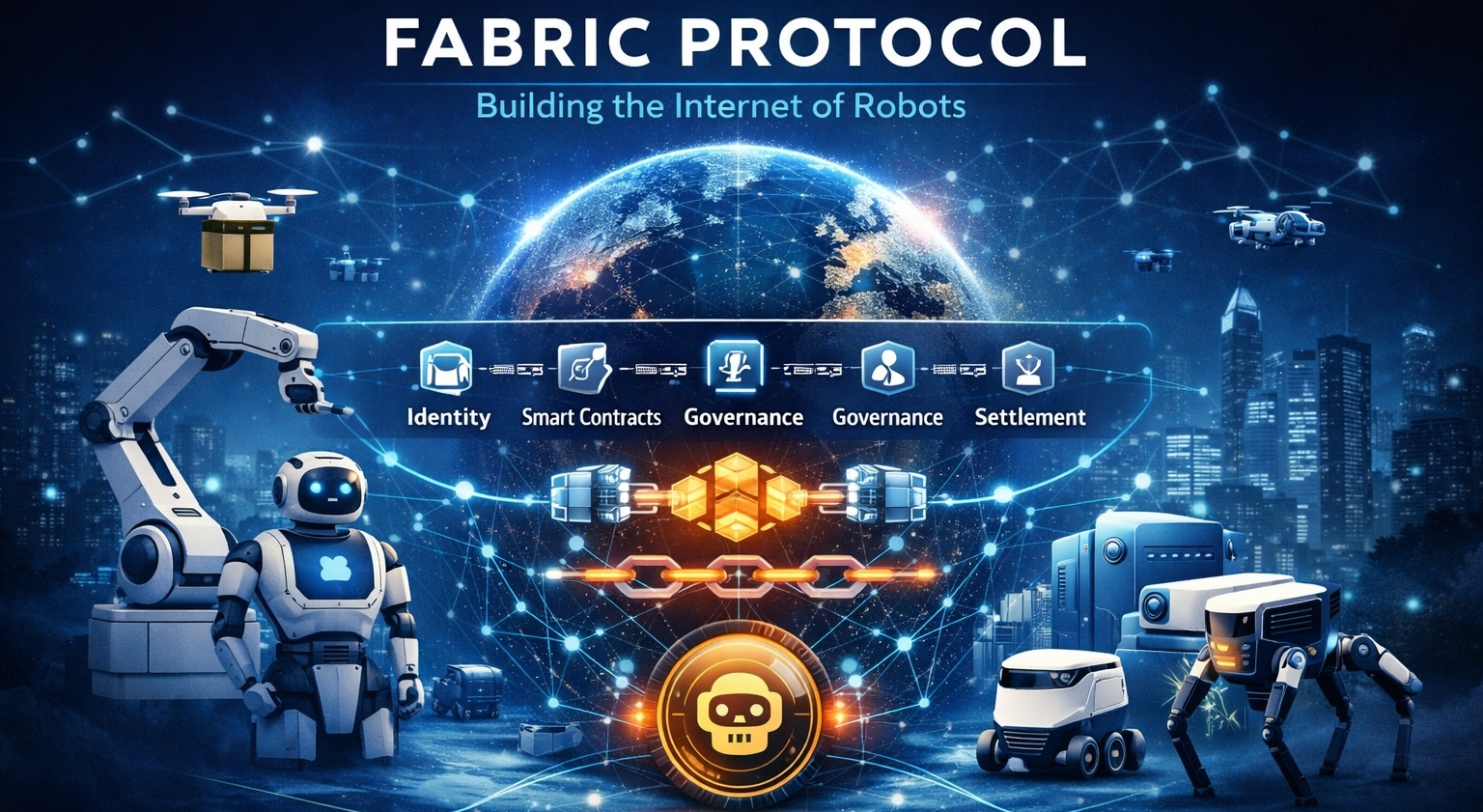
La arquitectura del Protocolo Fabric se basa en múltiples capas interconectadas que permiten una operación fluida. La capa de identidad asigna identidades únicas y verificables a robots y agentes, asegurando que cada participante en la red pueda ser autenticado. La capa de comunicación permite a las máquinas intercambiar información de manera eficiente, mientras que la capa de tareas gestiona cómo se asigna, ejecuta y valida el trabajo a través de contratos inteligentes. La capa de gobernanza permite a las partes interesadas participar en procesos de toma de decisiones, asegurando que el sistema evolucione de manera justa y descentralizada. Finalmente, la capa de liquidación maneja transacciones y recompensas, permitiendo a las máquinas ganar y gastar valor de manera autónoma.
Las aplicaciones en el mundo real del Protocolo Fabric son vastas e impactantes. En la fabricación, los robots pueden coordinar líneas de producción, optimizar flujos de trabajo y reducir ineficiencias. En la atención médica, las máquinas inteligentes pueden asistir en el cuidado de pacientes, monitorizar signos vitales y apoyar a los profesionales médicos con datos precisos. Las ciudades inteligentes pueden beneficiarse de sistemas autónomos que gestionan el transporte, el mantenimiento y los servicios públicos de manera más eficiente. Además, Fabric abre la puerta a mercados laborales descentralizados donde las máquinas realizan tareas y reciben compensación, creando un modelo económico completamente nuevo impulsado por la automatización.
La introducción de un token nativo, a menudo denominado ROBO, desempeña un papel crucial en el ecosistema. Este token facilita transacciones entre participantes, incentiva contribuciones y apoya decisiones de gobernanza. Al integrar una capa económica en el protocolo, Fabric asegura que todos los participantes, ya sean humanos o máquinas, sean recompensados por sus contribuciones. Esto crea un sistema autosostenible donde el valor fluye sin problemas a través de la red.
A pesar de su potencial, el Protocolo Fabric enfrenta varios desafíos. La integración de la robótica, la IA y blockchain es técnicamente compleja y requiere una infraestructura significativa. La adopción puede ser lenta, ya que las industrias a menudo son reacias a la transición de sistemas centralizados establecidos. La incertidumbre regulatoria también presenta un obstáculo, ya que los gobiernos todavía están desarrollando marcos para tecnologías emergentes. Además, los riesgos de seguridad, particularmente en contratos inteligentes y sistemas de hardware, deben ser gestionados cuidadosamente para garantizar la fiabilidad y la confianza.
Mirando hacia adelante, el Protocolo Fabric representa un componente clave de un cambio tecnológico más amplio hacia infraestructuras físicas descentralizadas y sistemas autónomos. El concepto de un “Internet de Robots” se está volviendo cada vez más realista, donde las máquinas de todo el mundo pueden colaborar en tiempo real. Los agentes económicos autónomos desempeñarán un papel más importante en los mercados, y la colaboración humano-máquina se volverá más integrada y fluida. A medida que el protocolo evoluciona, tiene el potencial de redefinir cómo interactuamos con la tecnología y cómo se crea y distribuye el valor.
En conclusión, el Protocolo Fabric ofrece una visión convincente para el futuro de la robótica y la inteligencia artificial. Al combinar gobernanza descentralizada, computación verificable y coordinación económica, aborda algunos de los desafíos más apremiantes en la tecnología moderna. Aunque persisten obstáculos, el protocolo sienta las bases para un mundo donde las máquinas no son solo herramientas, sino participantes activos en un ecosistema global y descentralizado. La conclusión es clara: a medida que la tecnología continúa evolucionando, adoptar sistemas como el Protocolo Fabric será esencial para construir un futuro seguro, transparente y colaborativo.
@Fabric Foundation #fabric $ROBO
