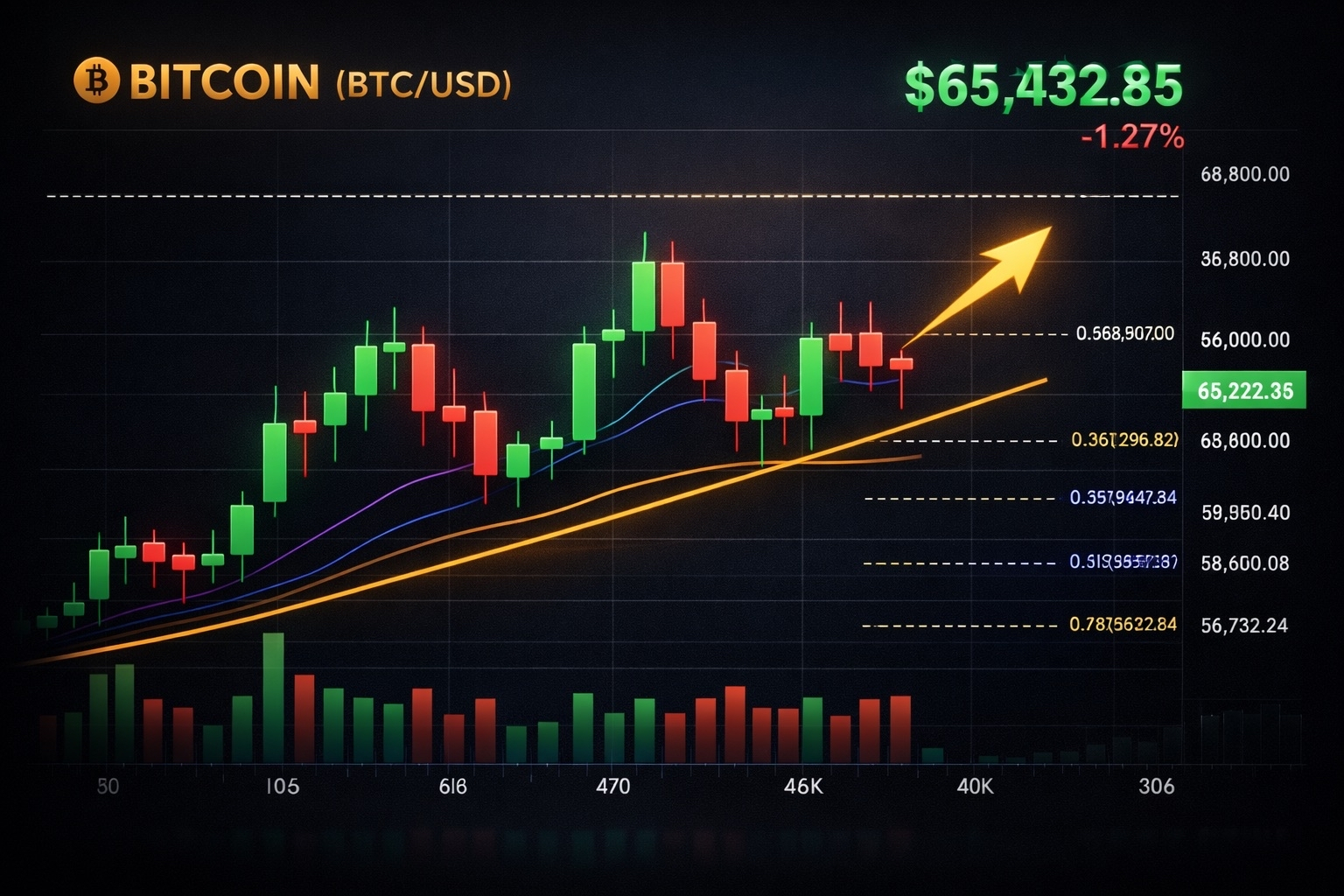
Since its launch in 2009 by the pseudonymous creator Satoshi Nakamoto, Bitcoin has transformed from a niche experiment into the most recognized digital asset in the world 🌍. Today, it stands as the foundation of the entire cryptocurrency market.
What makes Bitcoin truly powerful is its fixed supply of 21 million coins. This built-in scarcity makes BTC fundamentally different from traditional fiat currencies that can be printed without limit. In an era of rising inflation and economic uncertainty, scarcity matters more than ever 📊.
Bitcoin operates on a decentralized proof-of-work network secured by miners globally. No central authority controls it — making it censorship-resistant, transparent, and borderless 🔐. This level of security and decentralization has never existed before in financial history.
Institutional adoption is another key driver. Major corporations, hedge funds, and asset managers have added $BTC to their portfolios, recognizing it as “digital gold” 🏆. As global awareness increases, Bitcoin continues strengthening its position as a long-term store of value.
Yes, volatility is part of every market cycle ⚡. However, experienced investors focus on fundamentals, network strength, adoption trends, and macroeconomic conditions rather than short-term price swings.
Looking ahead to 2026 and beyond, Bitcoin’s long-term potential depends on continued adoption, regulatory clarity, and global demand. But its first-mover advantage and unmatched network effect keep it at the center of the crypto ecosystem.
Final Thought:
In a rapidly digitizing world, Bitcoin is not just an asset — it represents a financial revolution.
👉 Do you see BTC as digital gold, a hedge against inflation, or the future of money?