
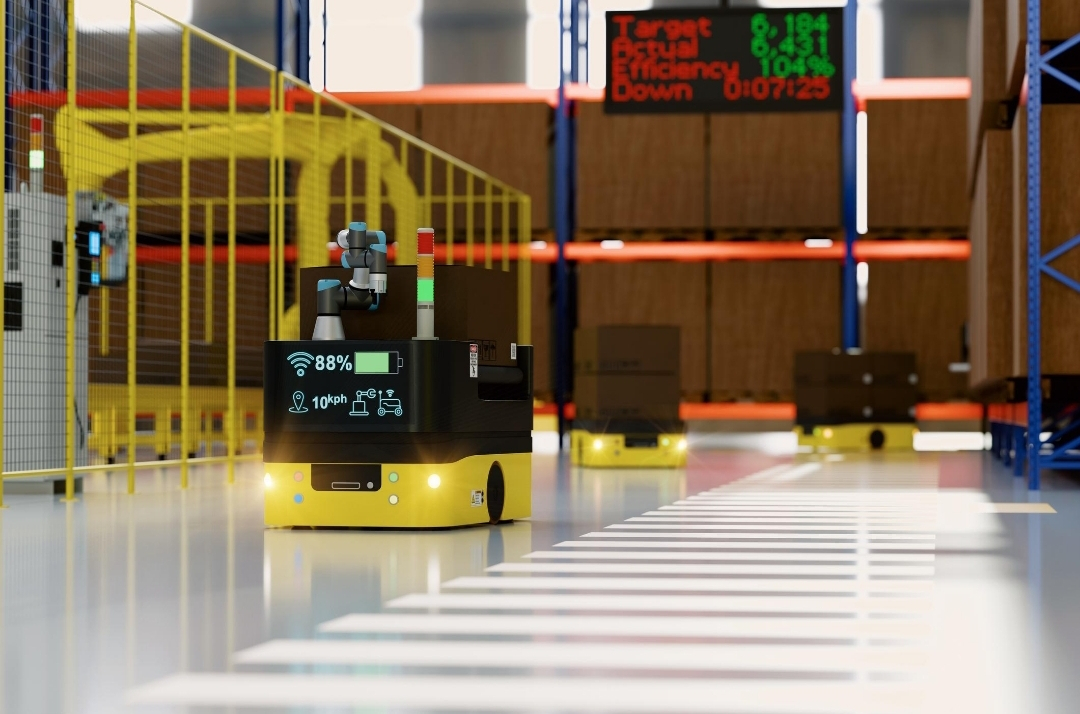
For years, the conversation around decentralized infrastructure has revolved around a simple idea: move computation away from centralized servers and distribute it across networks. Edge computing, IoT systems, and autonomous machines are all pushing the world toward a future where decisions and execution happen outside the traditional cloud.
But beneath that shift lies a deeper structural challenge that often receives far less attention.
Verification.
When machines begin performing real-world tasks inside economic networks, the core problem is no longer just where computation happens. The real challenge becomes proving that the work actually took place.
Fabric Protocol sits directly at this intersection.
Rather than simply connecting robots and edge devices to blockchain infrastructure, Fabric attempts to address a deeper issue: making machine activity economically accountable inside decentralized systems.
And that is where the architecture becomes interesting.
The Shift From Digital Execution to Physical Execution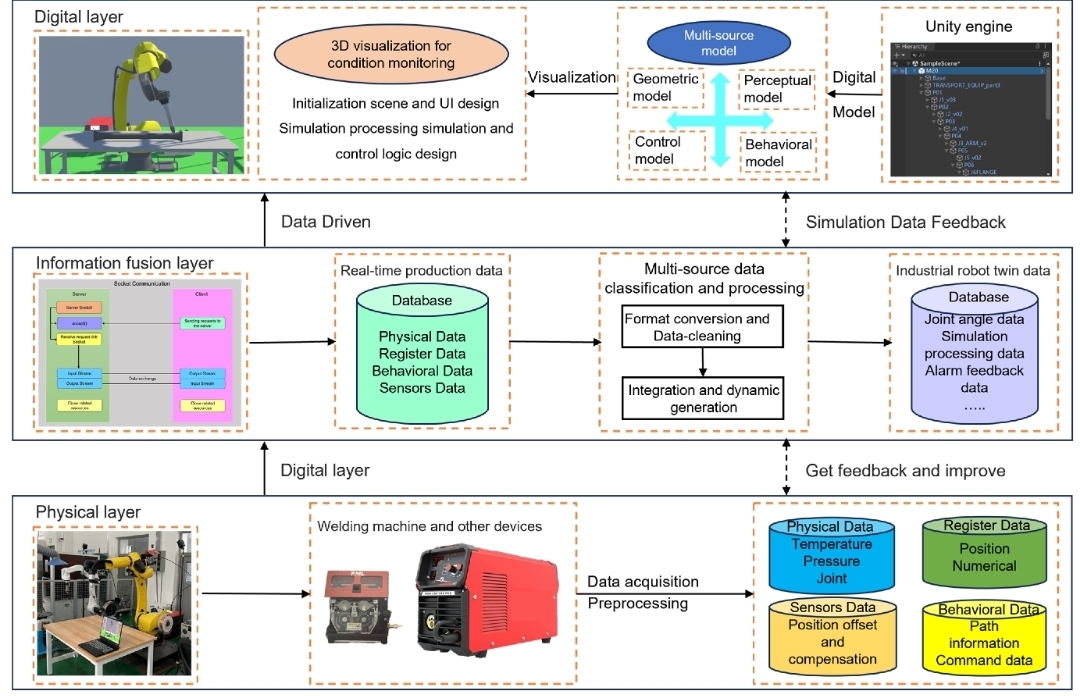
Traditional blockchain systems were designed to verify digital actions.
Tokens move. Smart contracts execute. Transactions settle. Every step can be validated through deterministic rules and cryptographic consensus.
Machine economies operate differently.
When robots, sensors, and autonomous devices perform tasks in the real world, the execution layer moves beyond pure software. Deliveries happen across cities. Data is gathered through sensors. Machines interact with physical environments.
At that point, the blockchain cannot directly observe what is happening.
It only receives claims about what happened.
A robot might claim it completed a delivery.
A sensor might report environmental data.
An autonomous device might report that it executed a computation task.
But the network itself cannot see the real-world action.
This creates a critical structural gap between digital consensus and physical execution.
Fabric Protocol attempts to build mechanisms that reduce that gap.
Building Accountability Into the Device Layer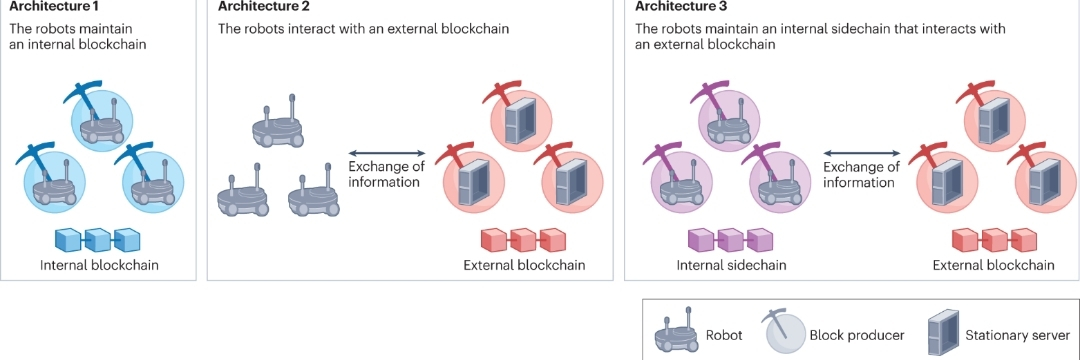
Fabric approaches the verification problem through a combination of reinforcing mechanisms designed to create accountability within the device layer.
The first component is robot identity.
Devices inside the network operate as identifiable actors rather than anonymous endpoints. Each machine can maintain a cryptographic identity tied to its operational history, allowing the network to evaluate reliability over time.
The second component is bonded participation.
Participants must stake value when accepting tasks within the network. This creates economic consequences for dishonest reporting or failed execution, turning machine activity into something that carries financial accountability.
Third, Fabric introduces structured task settlement processes that define how work moves from assignment to completion verification.
Finally, the system includes dispute resolution pathways that allow contested outcomes to be examined when verification signals conflict.
Individually, these tools exist across decentralized systems. But Fabric attempts to combine them in a way that supports machine-based coordination in unpredictable environments.
The Real Stress Test: Operational Reality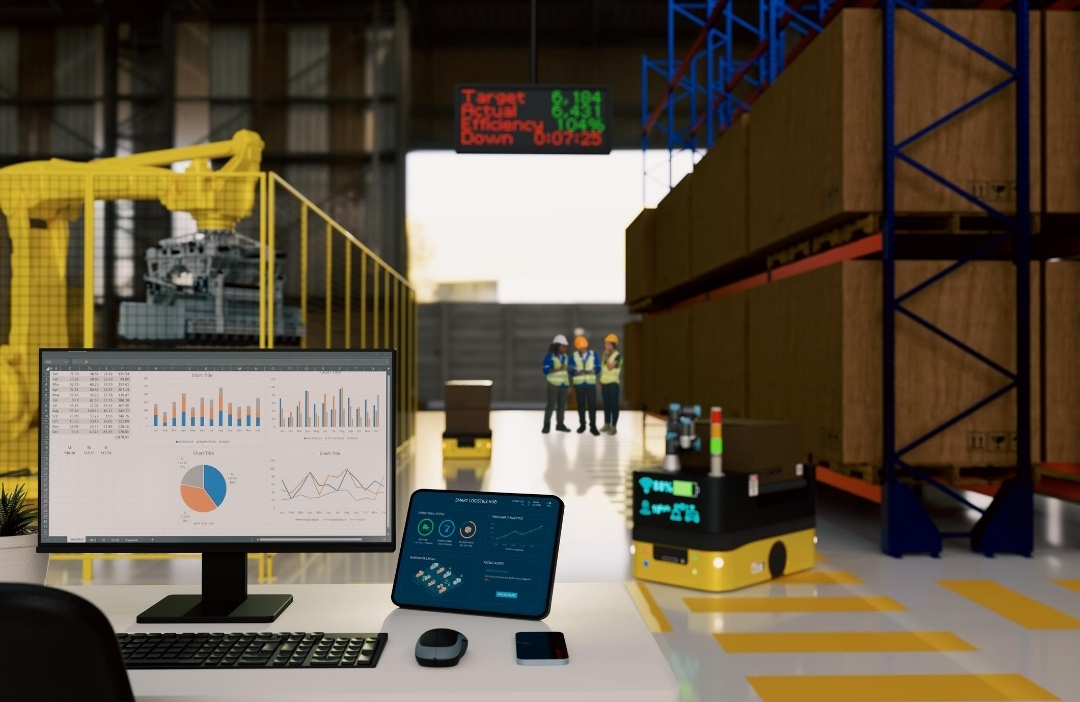
Protocols often look convincing in architecture diagrams.
But real-world environments introduce noise, uncertainty, and operational complexity.
Sensors fail.
Connectivity drops.
Devices misreport information.
Physical conditions create ambiguity.
In these environments, verification mechanisms must remain credible under stress.
If verification becomes slow, expensive, or subjective, decentralized coordination begins to break down. Participants lose confidence, and economic incentives stop functioning reliably.
Fabric’s long-term credibility will therefore depend on how well its verification systems perform under operational pressure.
Can dishonest claims be detected quickly?
Can disputes be resolved efficiently?
Can the system scale while maintaining trust?
Those questions will determine whether edge-based machine coordination can actually function at scale.
Market Attention Arriving Early
Timing adds another interesting dimension to the story.
The ROBO token, associated with the Fabric ecosystem, only entered broader market trading in late February 2026, yet trading activity expanded rapidly soon after launch.
This pattern is common in sectors combining multiple powerful narratives robotics, AI infrastructure, and decentralized systems.
Markets tend to move faster than infrastructure maturity.
Speculation often arrives before real-world validation.
For serious observers, the meaningful signals will not come from short-term price movements. They will come from how the protocol performs under real machine activity and real economic interaction.
The Future of Machine Economies Depends on Verification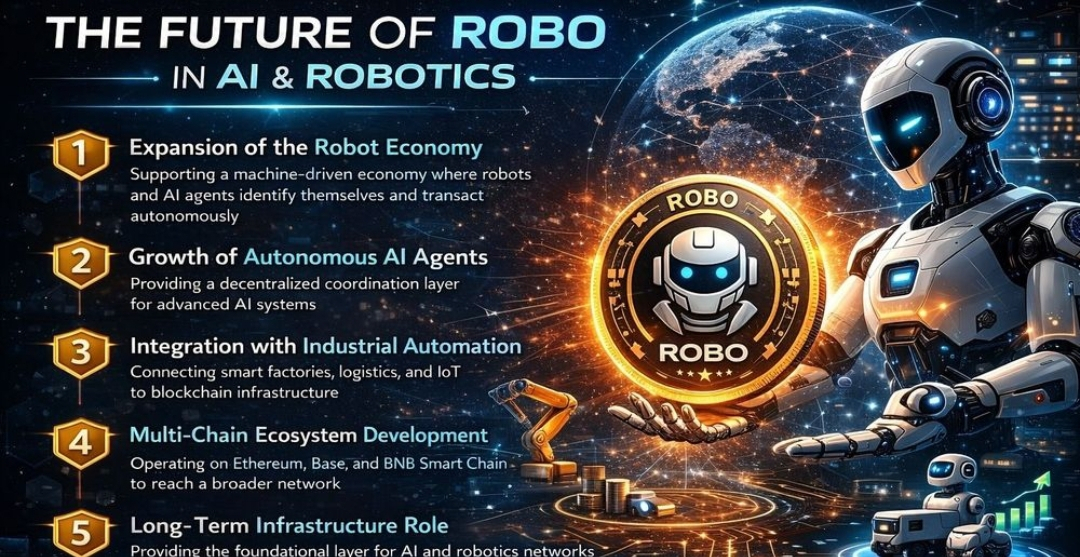
The idea of machines participating in economic networks is powerful.
Factories, logistics networks, delivery systems, and autonomous infrastructure could potentially coordinate through decentralized incentives rather than centralized control.
But none of that becomes stable without one essential requirement:
trust in verification.
If a network cannot reliably confirm that machines completed the work they claim to have performed, machine economies remain fragile.
If verification becomes credible and scalable, an entirely new infrastructure layer for autonomous coordination could emerge.
Fabric Protocol is attempting to operate at exactly that boundary.
It is not simply asking whether robots can join blockchains.
It is asking something far more important:
Can decentralized networks reliably prove that machines did the work they claim to have done?
The answer to that question will determine whether systems like Fabric become foundational infrastructure for machine economies or remain experimental ideas waiting for stronger enforcement mechanisms.
@Fabric Foundation #ROBO $ROBO
