
Blockchain was promised as the future of freedom, but it has a "glass house" problem. In our current Web3 market, every dollar you own, every transaction you make, and every digital move you take is visible to anyone with an internet connection.
This isn't just a technical flaw—it’s the single biggest barrier to mass adoption. Here is why Privacy is the real "Holy Grail" of the next bull run.
1. The Privacy Gap: A Playground for Predators
Public blockchains are radically transparent. While this ensures integrity, it exposes your financial history, medical records, and trade secrets to hackers and competitors. Most current "privacy" solutions are just band-aids—mixers that only break links temporarily but leave the rest of your history exposed. For healthcare, finance, or government sectors, this lack of data protection isn't just a risk; it's a legal deal-breaker.
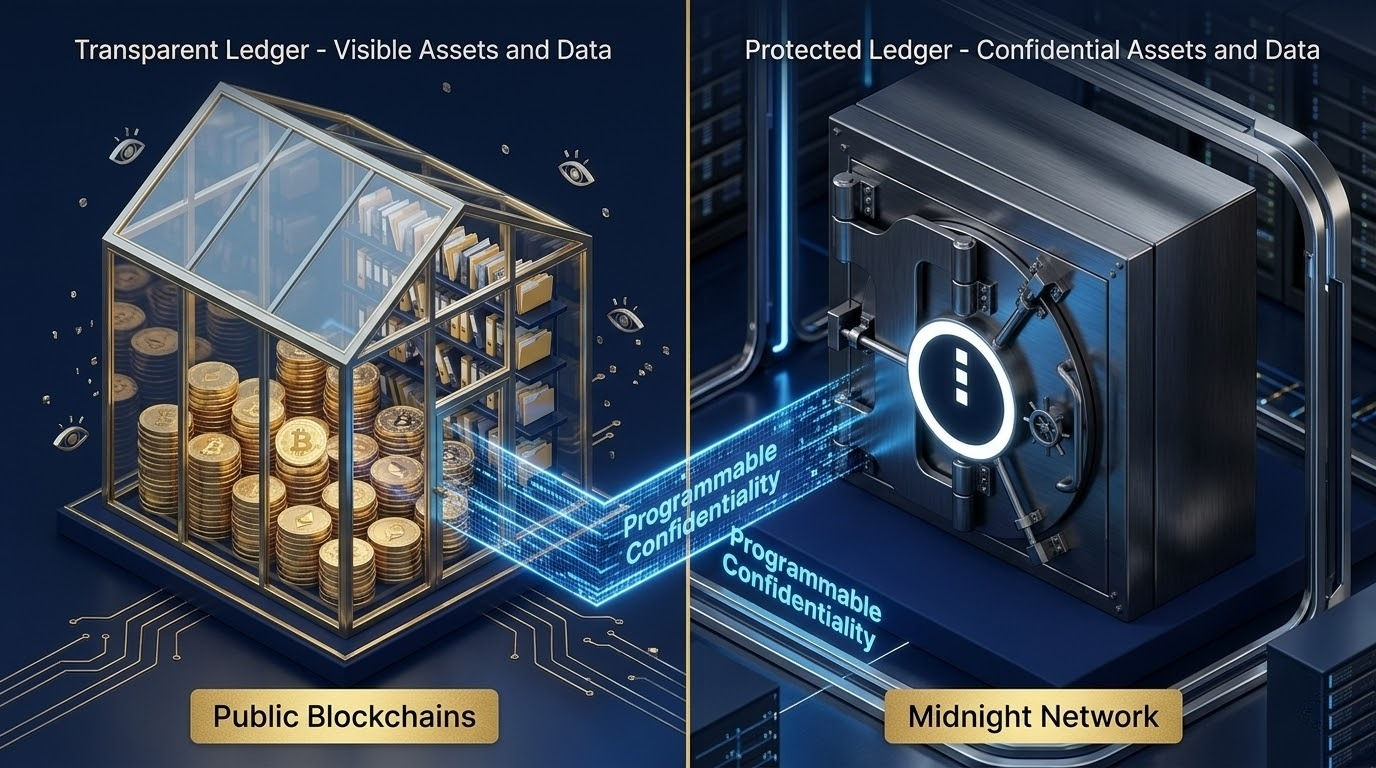
2. Metadata: The Invisible Leak
It’s not just about the transaction amount. Your wallet address, timestamps, and interaction patterns—your metadata—tell a complete story of who you are. Midnight changes the game by offering shielded tokens and mechanisms that treat metadata with the same level of secrecy as the transaction itself. No more leaking your digital identity every time you buy a coffee or swap a token.
3. The End of "All-or-Nothing" Anonymity
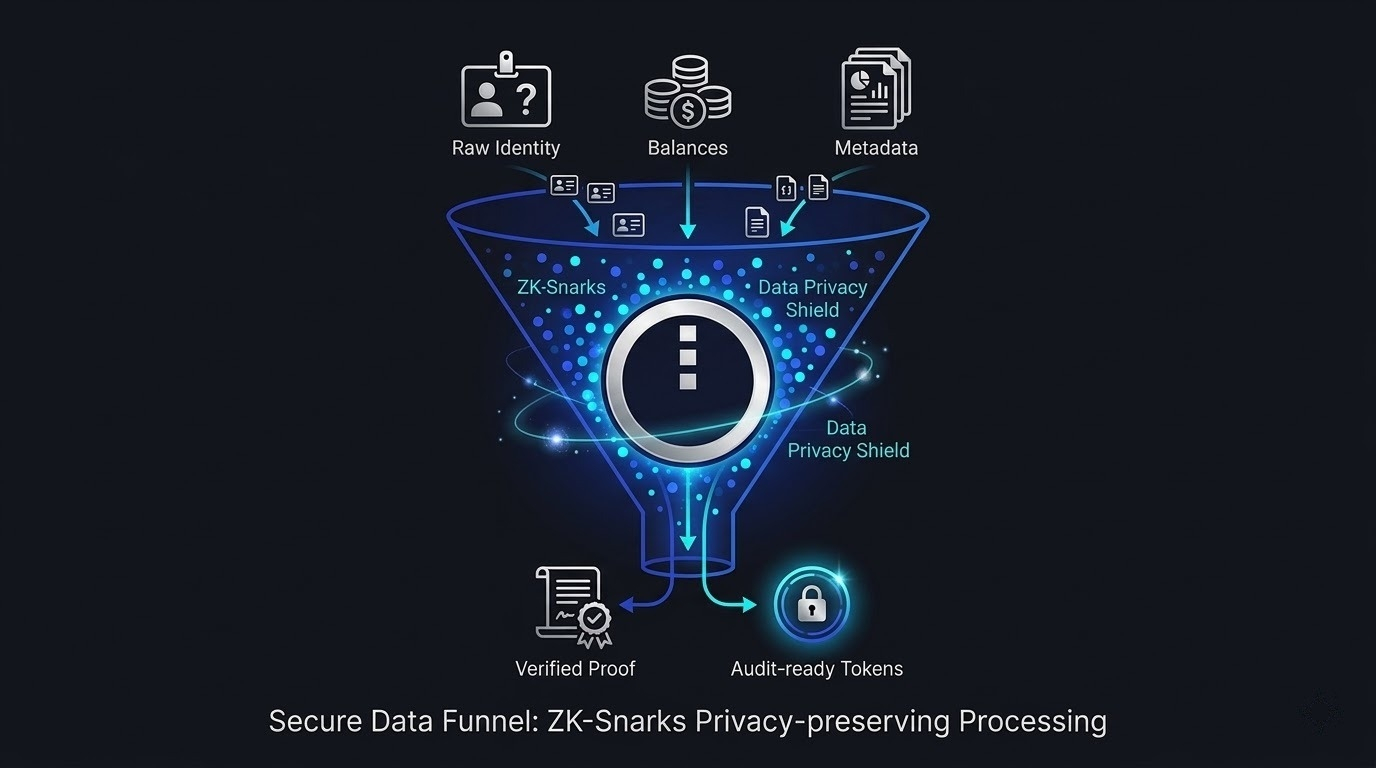
The world doesn't need more "dark pools" for illicit activity; it needs Selective Disclosure.
Midnight’s breakthrough is the ability to prove you are eligible for a service (like being over 18 or a verified resident) without revealing your birth date or home address. This is Compliance-Friendly Privacy. It satisfies GDPR, HIPAA, and global regulators while keeping your private life, private.
4. Unlocking the $Trillion Markets
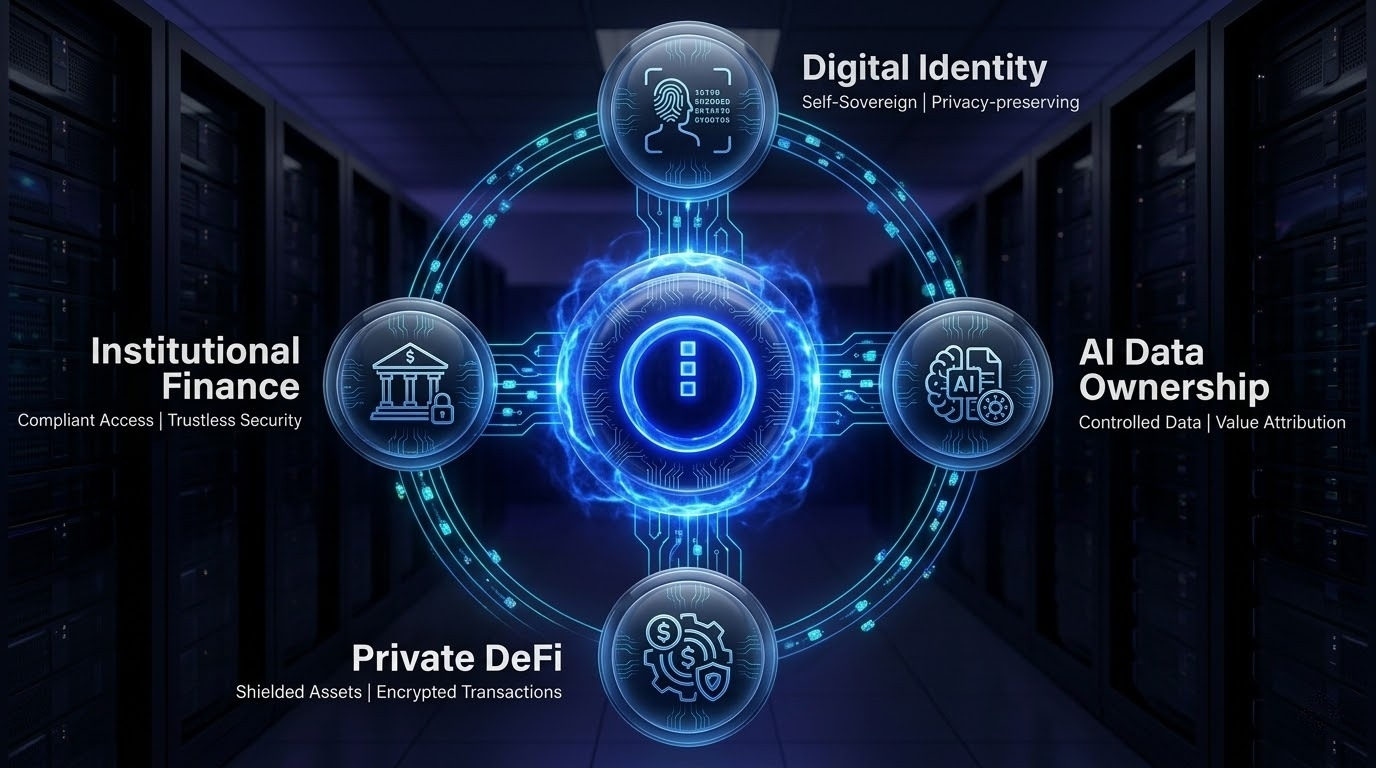
Privacy isn't just a feature; it’s an enabler for:
Digital Identity: Proving who you are without revealing everything you have.
Real-World Assets (RWA): Moving trillions in assets on-chain without exposing the owner's identity to kidnappers or competitors.
Regulated DeFi: Creating a financial system that is decentralized yet fully compliant with KYC laws.