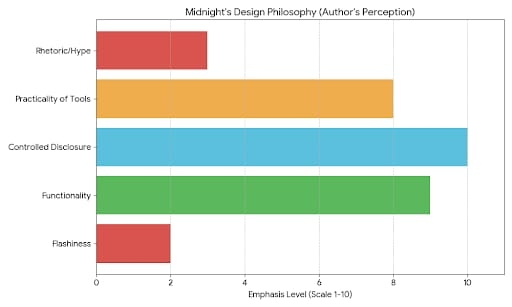
I’ve been around this space long enough that I don’t really get pulled in by big claims anymore. I don’t rush to call something the future, and I don’t dismiss it instantly either. Most of the time, I just watch. Quietly. Let things unfold at their own pace. Because in crypto, time usually reveals more than hype ever does.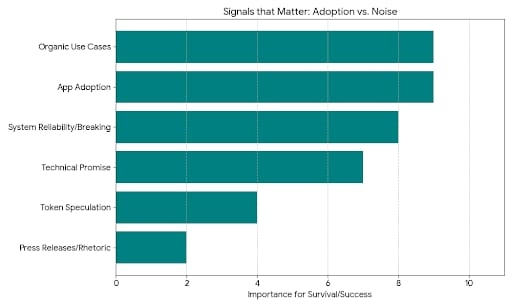
A lot of projects start to feel the same after a while. Different names, different branding, but underneath it’s often a familiar story. There’s always a strong narrative, something that sounds important, something that feels like it fixes a major flaw. And for a moment, it works. People believe in it. But if you’ve seen enough of these cycles, you start to recognize how often those ideas fade before they fully land.
Privacy is one of those ideas that keeps coming back. It’s always there, always part of the conversation, but never really resolved. Everyone agrees it matters, but the way it’s handled usually feels incomplete. Either it’s treated like an add-on, or it’s sacrificed somewhere along the way to keep everything else simple and transparent.
And that’s the thing—crypto was built on transparency. That’s what made it different. Everything open, everything visible, everything verifiable. It solved one problem, but over time it quietly created another. Because real people don’t always want to live that way. They don’t want every transaction exposed, every action traceable forever. That level of openness sounds good in theory, but in practice, it can feel limiting.
For a long time, the space just kind of accepted that trade-off.
So when I first came across this idea of a blockchain built around zero-knowledge proofs, I didn’t think much of it. It sounded like something I’d heard before. Another attempt to balance privacy and transparency. Another solution to a problem that’s been sitting there for years.
But the more I sat with it, the more it felt slightly different—not louder, not more exciting, just… harder to ignore.
Because it’s not just trying to hide data. It’s trying to change how trust works in the system. The idea that you can prove something is true without showing everything behind it—that’s a shift. It doesn’t reject transparency completely, but it doesn’t depend on full exposure either. It sits somewhere in between.
And that’s where it gets interesting to me.
Not because it’s guaranteed to work, but because it’s actually pointing at a real tension. One that crypto hasn’t fully solved yet. How do you keep systems trustworthy without forcing people to give up control over their own information?
Still, I’m careful with it. I’ve seen too many good ideas struggle once they leave the whiteboard and enter the real world. That’s usually where things get complicated. Technology is one thing, but adoption, usability, incentives—those are completely different challenges.
And honestly, not everything that makes sense ends up succeeding.
So I stay in that middle space. Interested, but not convinced. Curious, but not committed. Just watching how it develops, how people use it, whether it actually holds up over time.
Because if there’s one thing I’ve learned, it’s that the projects that matter don’t usually force you to believe in them early. They just keep showing up, quietly improving, slowly proving themselves.
Maybe this is one of those. Or maybe it’s not.
Either way, I’m not in a rush to decide. I’m just watching, like always, waiting to see what it becomes.