
I’ve been spending some time with Midnight Network, and I keep coming back to the same thought: this is a blockchain that actually tries to think about people, not just numbers. Most projects I look at are obsessed with speed, gas fees, or flashy tokenomics—but here, the starting point is privacy and ownership. It’s subtle, but it makes a difference in how you feel about building or using the network. You get the sense that the creators are asking themselves, “How can we let people do meaningful things without exposing their lives or data?”
What really grabs me is how zero-knowledge proofs are baked into the architecture. I’m not just talking about a “feature”—it’s in the bones of the system. That means if you want to verify a transaction, prove an action, or even participate in some kind of confidential interaction, you can do it without anyone else seeing your private information. It’s not magic, it’s math—but the math is made accessible. There’s a developer layer with SDKs and documentation that feels thoughtful. You’re not left wrestling with cryptography just to get a dApp running. But you do notice the learning curve. Zero-knowledge proofs are elegant, but they’re not trivial. Developers who are used to Ethereum or Solana will find themselves thinking differently here: you can’t just copy-paste patterns. You have to design around privacy from the start, which can be frustrating at first but ultimately rewarding.
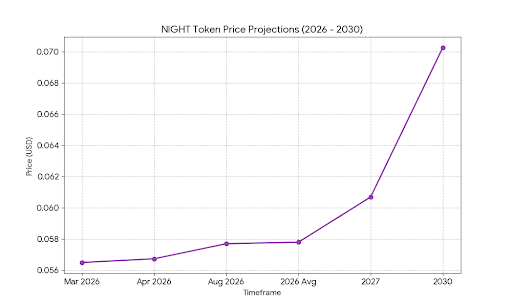
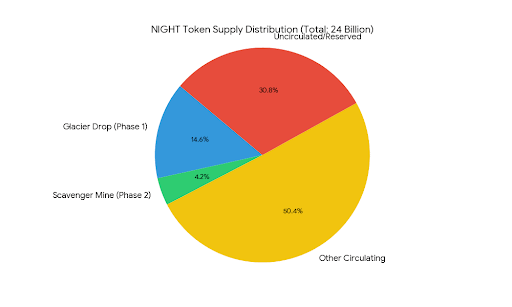
The tokenomics are quietly practical. The native token powers transactions, staking, and governance. There’s no smoke-and-mirrors hype around “moon potential”; the token exists because the network needs it to function. What matters here isn’t speculation—it’s usage. And that’s both a strength and a weakness. The network works beautifully if people build apps that need privacy, but if those apps don’t appear, the token’s utility can feel abstract. It reminds me a lot of early web tools: the tech was solid, but adoption took time and the right use cases.
What I keep coming back to, though, is the human side. Midnight makes it possible to do things in a digital environment without constantly trading privacy for convenience. Imagine proving credentials, sending payments, or sharing data with confidence that your information isn’t being harvested or exposed. That’s not just a technical win; it’s a subtle shift in how people relate to digital systems. And that’s hard to capture in a pitch deck.
There are practical challenges, of course. The reliance on off-chain proofs means verifiers are critical, and any mistakes there could cascade. The learning curve might slow developer adoption. And, like all blockchains, network growth depends on a self-sustaining ecosystem. But those challenges feel grounded, not like exaggerated “risks” thrown into a whitepaper. They are real, and they’re the kind of problems that only surface when people actually start building and using the system.
Spending time with Midnight Network feels a bit like walking into a quiet workshop rather than a flashy launch party. Everything is measured. Everything is functional. And it leaves you thinking not just about what the network can do, but about how it affects the people who use it. How does a system like this change the way we think about ownership, trust, and privacy online? Those are questions that feel far bigger than a single blockchain, but Midnight is actually building something that nudges the conversation forward.
It’s not a project that shouts or demands attention. It whispers, and if you listen, you realize it’s quietly building tools that could make digital life a little more human. That, for me, is rare in crypto. And that’s why I keep coming back, poking at testnets, reading the documentation, and thinking through what it might mean when real apps start using it. It feels like a project designed for the people who care about their digital lives—not just the charts, not just the hype.