

In Web3, most projects fall into one of two categories: strong tech with no users, or strong hype with no substance. Very few manage to bridge both worlds effectively. Sign is positioning itself as one of those rare ecosystems that combine real infrastructure with an engaged, growing community—making it a serious contender for long-term relevance.
At its foundation, Sign is focused on solving a critical problem in Web3: trust. In a decentralized environment, verifying identity, reputation, and credentials without relying on centralized authorities has always been a challenge. Most solutions either compromise privacy or introduce friction that discourages adoption. Sign approaches this differently through its attestation-based model.
Attestations allow users to prove specific information—such as identity, achievements, or eligibility—without exposing unnecessary personal data. This concept shifts control back to the user. Instead of repeatedly submitting sensitive information across platforms, individuals can carry verifiable credentials that are secure, reusable, and privacy-preserving. This is not just a technical upgrade; it’s a fundamental shift in how trust operates online.
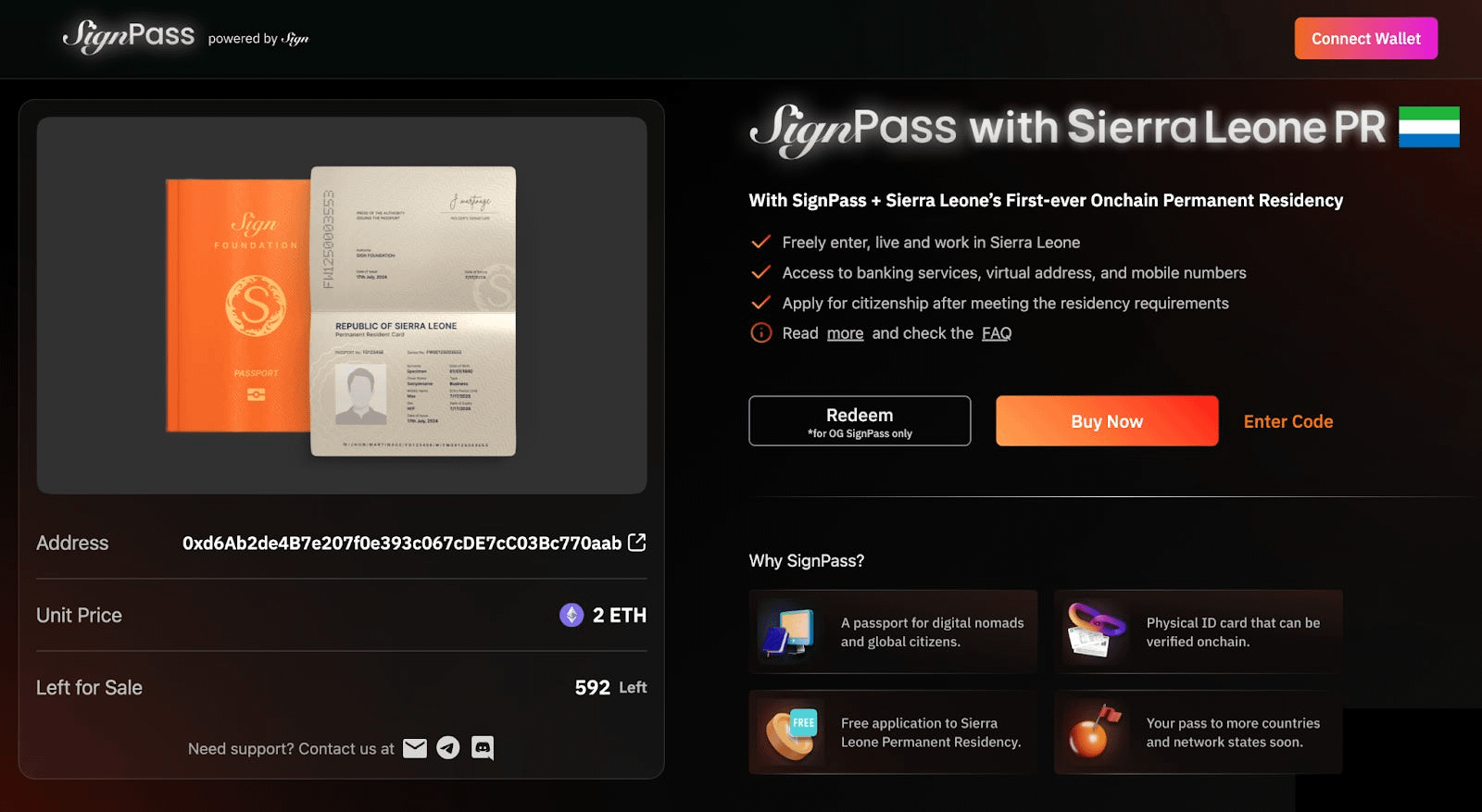
What makes Sign stand out is how seamlessly it blends this infrastructure with usability. The protocol is designed to be flexible and developer-friendly, enabling integration across multiple sectors including DeFi, DAOs, social platforms, and token distribution systems. Whether it’s verifying eligibility for an airdrop, managing governance access, or building on-chain reputation systems, Sign provides a scalable solution.
However, technology alone doesn’t create impact—people do. This is where Sign separates itself from many other infrastructure projects. It has successfully built a community that doesn’t just use the product but actively represents it.
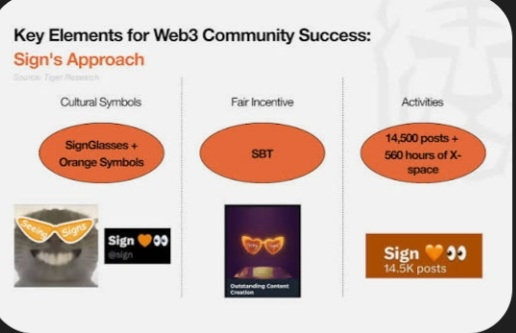
The rise of the orange identity within the Sign ecosystem is a perfect example. What started as a simple visual element has evolved into a cultural symbol. Orange now represents more than branding—it signals alignment, energy, and participation. Community members subtly incorporate it into their online presence, often alongside the recognizable “SignGlasses,” creating a shared identity without forcing uniformity.
This approach lowers the barrier to entry. Users don’t need to completely rebrand themselves to participate. A small visual tweak—an orange background, a pair of stylized glasses—is enough to signal belonging. This kind of organic adoption is powerful because it feels voluntary, not manufactured. It turns users into ambassadors, and that’s where real network effects begin.
From a fundamentals perspective, Sign is building at the right time. As Web3 moves closer to mainstream adoption, the need for compliant yet privacy-focused identity solutions is increasing. Regulators are paying more attention, and institutions are looking for ways to engage with blockchain technology without sacrificing security or compliance.
Sign sits directly at this intersection. Its model allows for verification without overexposure, making it attractive not just to crypto-native users but also to enterprises and platforms that require a higher level of trust. This positions Sign as infrastructure that can scale alongside the industry, rather than being limited to niche use cases.
Another key strength is its long-term vision. Instead of chasing short-term hype cycles, Sign is building a system that becomes more valuable as more participants join. Each new attestation adds to a broader network of trust, creating a compounding effect. This kind of growth is fundamentally different from price-driven narratives—it’s utility-driven and sustainable.
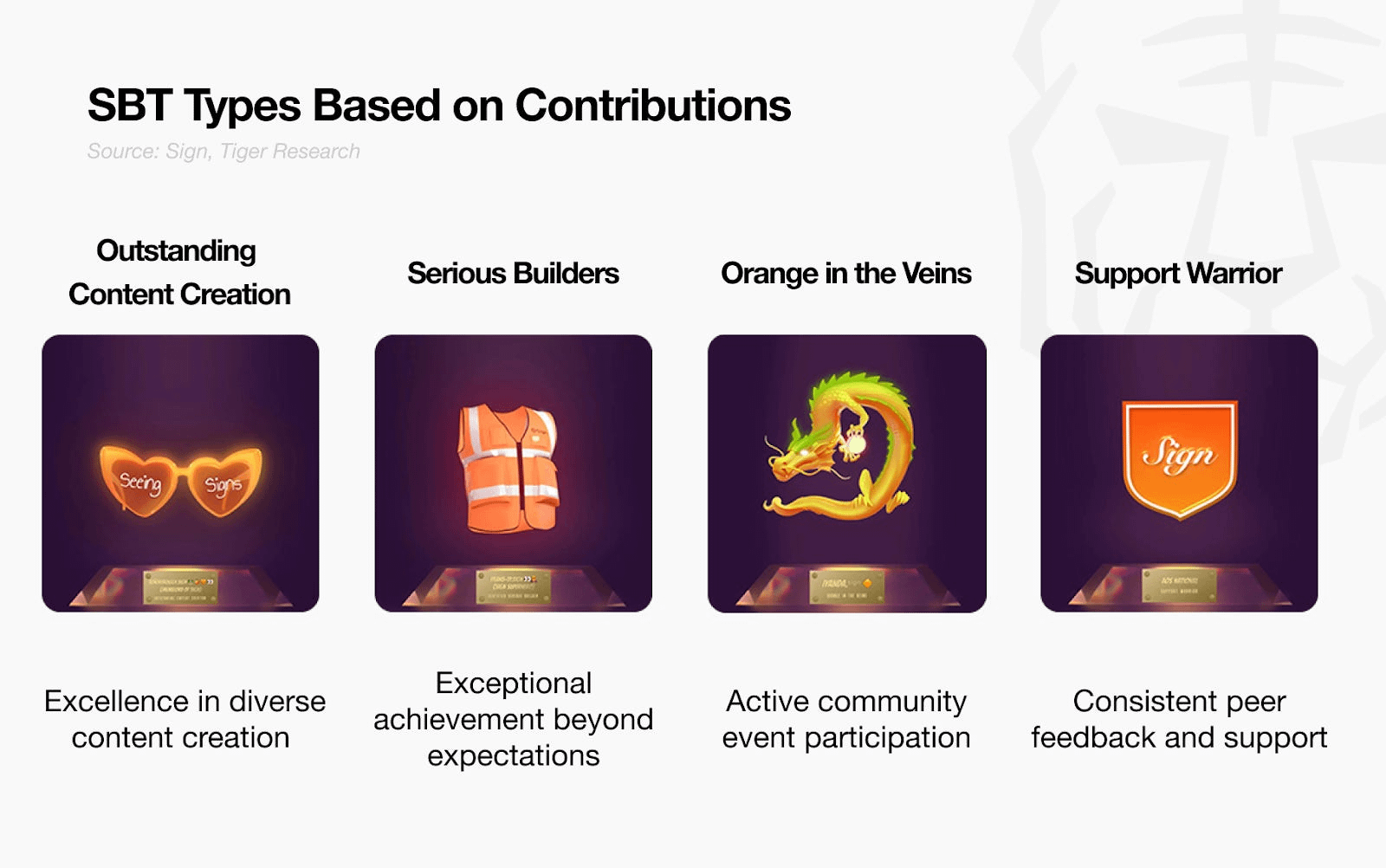
Token incentives further reinforce this ecosystem. By aligning user participation with rewards, Sign encourages consistent engagement rather than speculative behavior. Users are not just holding tokens—they are actively contributing to the network’s expansion and reliability.
In a market filled with noise, Sign offers clarity. It’s not just another project promising innovation—it’s delivering a framework that addresses real problems while fostering a culture people want to be part of. That combination is rare, and it’s what gives Sign its edge.
Ultimately, the future of Web3 will be shaped by projects that can merge strong infrastructure with human connection. Technology provides the foundation, but community drives adoption. Sign understands this balance and is executing on both fronts.
If this trajectory continues, Sign won’t just be another name in the ecosystem—it could very well become the standard for how Web3 projects are built, scaled, and experienced.