

A few weeks ago, I handed some cash to a small courier office to send a package across the city. They didn’t give me anything elaborate in return—just a stamped receipt with a tracking number scribbled on it. That piece of paper wasn’t valuable on its own. What mattered was the system behind it: a network of people, processes, and accountability that made the claim on that paper believable. If the package didn’t arrive, that receipt was my proof. In a very real sense, the paper wasn’t the value—it was a signed claim on a service I trusted would be fulfilled.
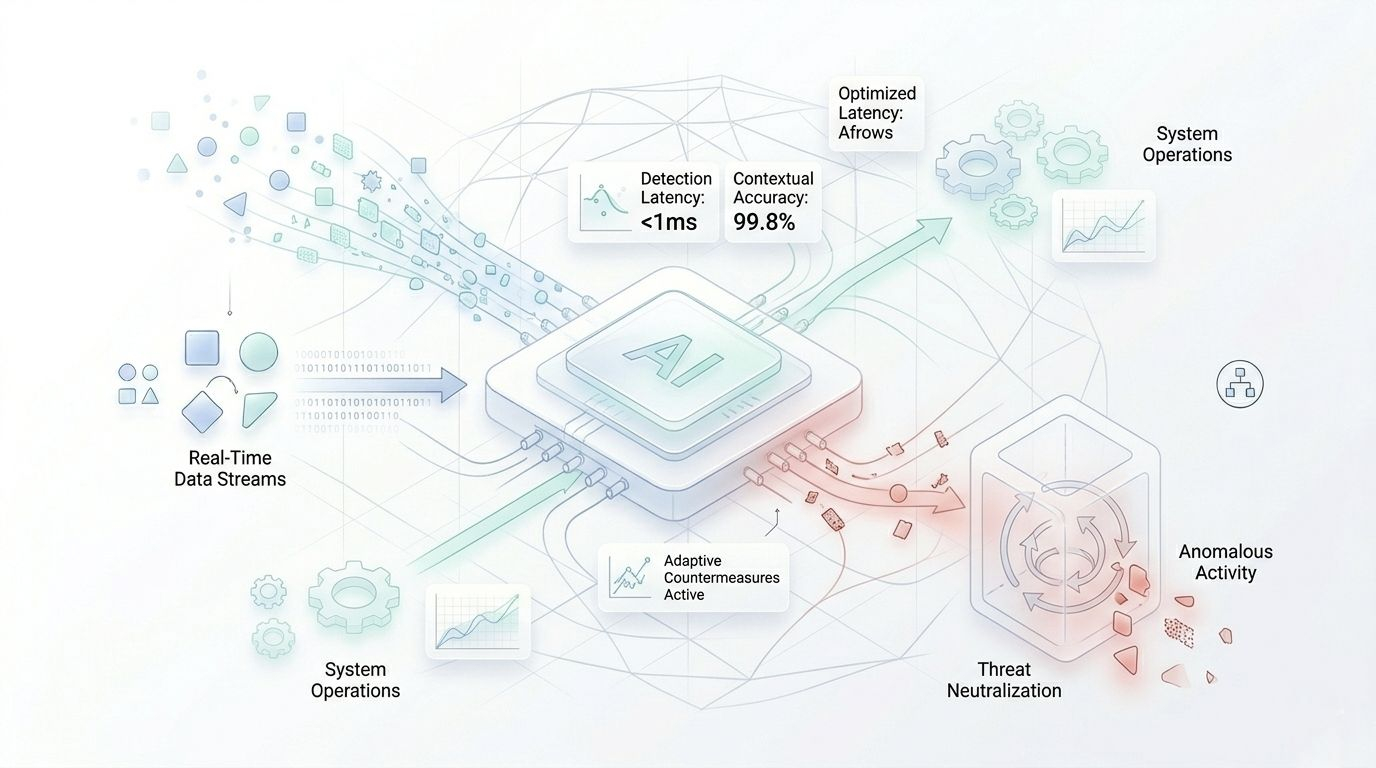
I keep coming back to that idea when I think about money, especially stablecoins. We often talk about them as if they are digital dollars, but that framing feels incomplete. A stablecoin is not the dollar itself; it is a claim on something else—usually reserves, collateral, or some institutional promise. Its usefulness depends entirely on whether that claim can be verified, enforced, and redeemed under pressure. Strip away the branding, and what remains is a system of signed assurances.
This is where the framing around Sign Protocol starts to feel interesting, not because it introduces something entirely new, but because it makes that underlying structure more explicit. If money is already a network of claims, then the real question is not how to create another token, but how to formalize, verify, and manage those claims in a way that holds up in the real world. In other words, the problem shifts from issuance to credibility.
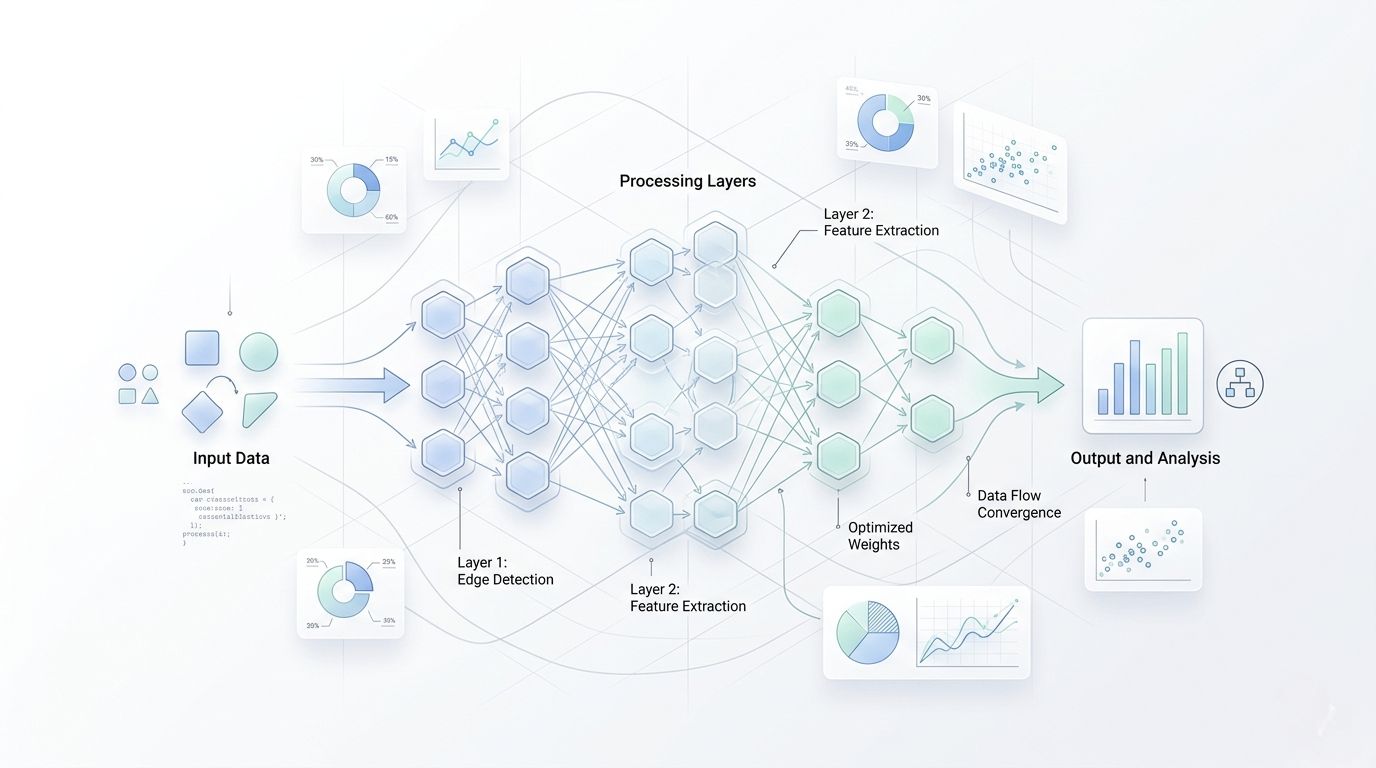
What I find myself questioning is whether making claims more programmable actually makes them more reliable. In theory, attaching verifiable credentials to a stablecoin—proof of reserves, attestations of backing, or conditional redemption rules—should improve transparency. But in practice, the strength of any claim still depends on who is signing it and what happens when things go wrong. A perfectly structured claim is meaningless if the underlying entity cannot or will not honor it under stress.
This is where incentives start to matter more than architecture. In traditional finance, claims are embedded in a web of legal obligations, audits, and reputational risk. These systems are slow and imperfect, but they have been shaped by decades of failure and adjustment. In a blockchain-based system, the enforcement mechanisms are different. Some are automated, some are social, and some are simply assumed. The gap between a claim being verifiable and a claim being enforceable is where most of the real risk lives.
Thinking about stablecoins through this lens makes me less interested in their peg and more interested in their operational reality. Who is verifying the reserves? How often? Under what standards? What happens if the data is delayed, manipulated, or incomplete? Can the system handle a scenario where large numbers of users attempt to redeem at once? These are not edge cases—they are the exact conditions under which the credibility of a claim is tested.
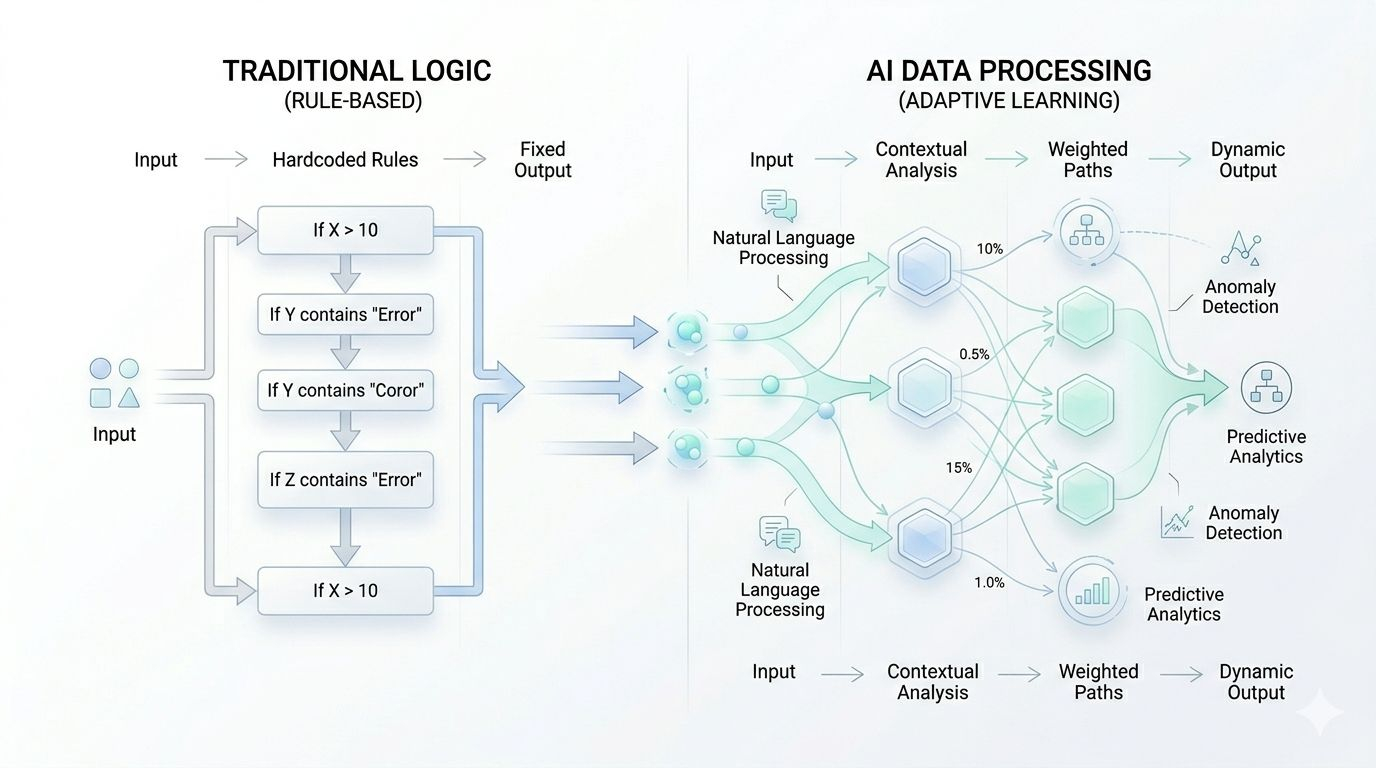
Sign Protocol, at least conceptually, tries to turn these questions into something measurable. If claims can be signed, tracked, and audited in a structured way, then in theory, users are not just trusting a brand—they are evaluating a set of verifiable statements. That sounds like progress, but I’m not entirely convinced it solves the deeper issue. Verification can tell you what is being claimed; it does not guarantee that the claim will hold under pressure.
There is also the question of adoption, which is often where well-designed systems quietly fail. For this model to matter, the people issuing stablecoins, the institutions backing them, and the users relying on them all need to agree—explicitly or implicitly—that these signed claims are worth paying attention to. That requires alignment across multiple layers: technical standards, regulatory expectations, and user behavior. Without that alignment, the system risks becoming a layer of complexity that only a small subset of participants actually uses.
I find it helpful to compare this to logistics infrastructure. A tracking system is only useful if every checkpoint updates the status consistently and honestly. If even a few nodes in the network fail to report accurately, the entire system becomes less reliable. In the same way, a network of signed claims only works if the participants are both capable and incentivized to maintain its integrity over time.
So when I think about the idea that “money is just signed claims,” it doesn’t strike me as a radical redefinition. It feels more like a clarification of something that has always been true. What changes is not the nature of money, but the tools we use to express and verify the claims behind it.
My current view is cautious but curious. I don’t see Sign Protocol as a silver bullet for stablecoins, but I do see it as a step toward making their underlying assumptions more visible and testable. That alone has value. At the same time, I think the real challenge is not designing better claims—it is ensuring that those claims remain credible when the system is under stress. Until that is proven in practice, I’m inclined to treat this as an interesting evolution of infrastructure rather than a solved problem.
@SignOfficial #SignDigitalSovereignInfra $SIGN
