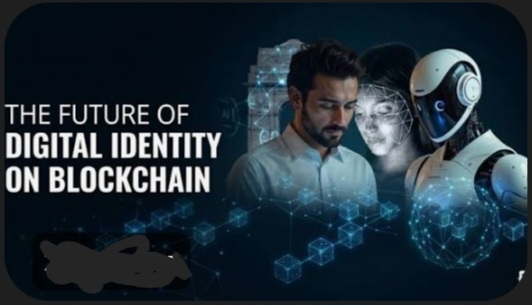
In today’s increasingly digital world, identity has become one of the most valuable and vulnerable assets. From logging into social media accounts to verifying financial transactions, individuals constantly rely on centralized systems to manage and authenticate their identities. However, these systems are often fragmented, insecure, and prone to data breaches. This is where emerges as a transformative solution, redefining how digital identity is created, managed, and protected.
The Problem with Traditional Digital Identity
Traditional identity systems are controlled by centralized authorities such as governments, corporations, and financial institutions. While these systems offer convenience, they also create significant risks. Massive data breaches have exposed sensitive personal information of millions of users, highlighting the weaknesses of centralized databases.
Moreover, users have limited control over their own data. Every time you sign up for a service, your information is stored in yet another database, increasing the risk of misuse or unauthorized access. Identity theft, fraud, and privacy violations have become common issues in this model.
What is Blockchain-Based Digital Identity?
Blockchain introduces a decentralized approach to identity management. Instead of relying on a central authority, identity data is stored across a distributed network, making it more secure and tamper-resistant. This concept is often referred to as self-sovereign identity (SSI).
With blockchain-based identity, individuals have full control over their personal information. They can choose what data to share, with whom, and for how long. This eliminates the need to repeatedly provide sensitive information to multiple platforms.
How It Works
Blockchain-based identity systems use cryptographic techniques to secure data. When a user creates a digital identity, it is linked to a unique cryptographic key. This key acts as proof of ownership and allows the user to authenticate themselves without revealing unnecessary details.
For example, instead of sharing your full date of birth to prove you are over 18, a blockchain system can verify your age without exposing the actual data. This is made possible through advanced cryptographic methods like zero-knowledge proofs.
Additionally, identity credentials can be issued by trusted entities such as governments or educational institutions and stored securely on the blockchain. These credentials can then be verified instantly without needing to contact the issuing authority.
Key Benefits
1. Enhanced Security
Blockchain’s decentralized nature makes it extremely difficult for hackers to compromise the system. Unlike centralized databases, there is no single point of failure.
2. User Control and Privacy
Users own their data and decide how it is used. This reduces the risk of data exploitation and enhances privacy.
3. Reduced Fraud
With tamper-proof records and verifiable credentials, identity fraud becomes significantly harder.
4. Interoperability
A single digital identity can be used across multiple platforms and services, eliminating the need for repetitive verification processes.
5. Efficiency and Cost Reduction
Organizations can streamline identity verification processes, reducing operational costs and improving user experience.
Real-World Applications
Blockchain-based digital identity has the potential to transform multiple industries:
Finance: Simplifying KYC (Know Your Customer) processes while reducing fraud.
Healthcare: Securely storing and sharing patient records.
Education: Verifying academic credentials instantly.
Government Services: Enabling secure digital voting and identity verification.
Web3 and Metaverse: Creating portable identities across decentralized platforms.
Challenges and Limitations
Despite its promise, blockchain-based identity is not without challenges. Scalability remains a concern, as blockchain networks must handle large volumes of data efficiently. Additionally, regulatory frameworks are still evolving, and widespread adoption requires collaboration between governments, businesses, and technology providers.
Another challenge is usability. Managing cryptographic keys can be complex for non-technical users. If a user loses their private key, they may lose access to their identity permanently. Solutions like social recovery mechanisms are being developed to address this issue.
The Role of Emerging Technologies
The future of digital identity will likely involve a combination of blockchain, artificial intelligence, and biometrics. AI can enhance identity verification processes, while biometrics can provide an additional layer of security.
For instance, facial recognition or fingerprint authentication can be integrated with blockchain systems to create a seamless yet highly secure identity experience. However, balancing convenience with privacy will remain a critical consideration.
Looking Ahead
As digital interactions continue to grow, the need for secure and user-centric identity systems becomes more urgent. Blockchain offers a powerful framework to address these challenges by shifting control from centralized authorities to individuals.
Governments and organizations around the world are already exploring blockchain-based identity solutions. Initiatives focused on decentralized identity standards are gaining momentum, signaling a shift toward a more secure and transparent digital ecosystem.
Conclusion
The future of digital identity lies in decentralization, privacy, and user empowerment. Blockchain technology has the potential to revolutionize how identities are managed, offering a safer and more efficient alternative to traditional systems.
While challenges remain, ongoing innovation and collaboration will likely drive widespread adoption in the coming years. As we move toward a more connected digital world, blockchain-based identity could become the foundation of trust in the online space—giving individuals true ownership of their digital selves.
@SignOfficial #signdigitalsovereigninfra $SIGN