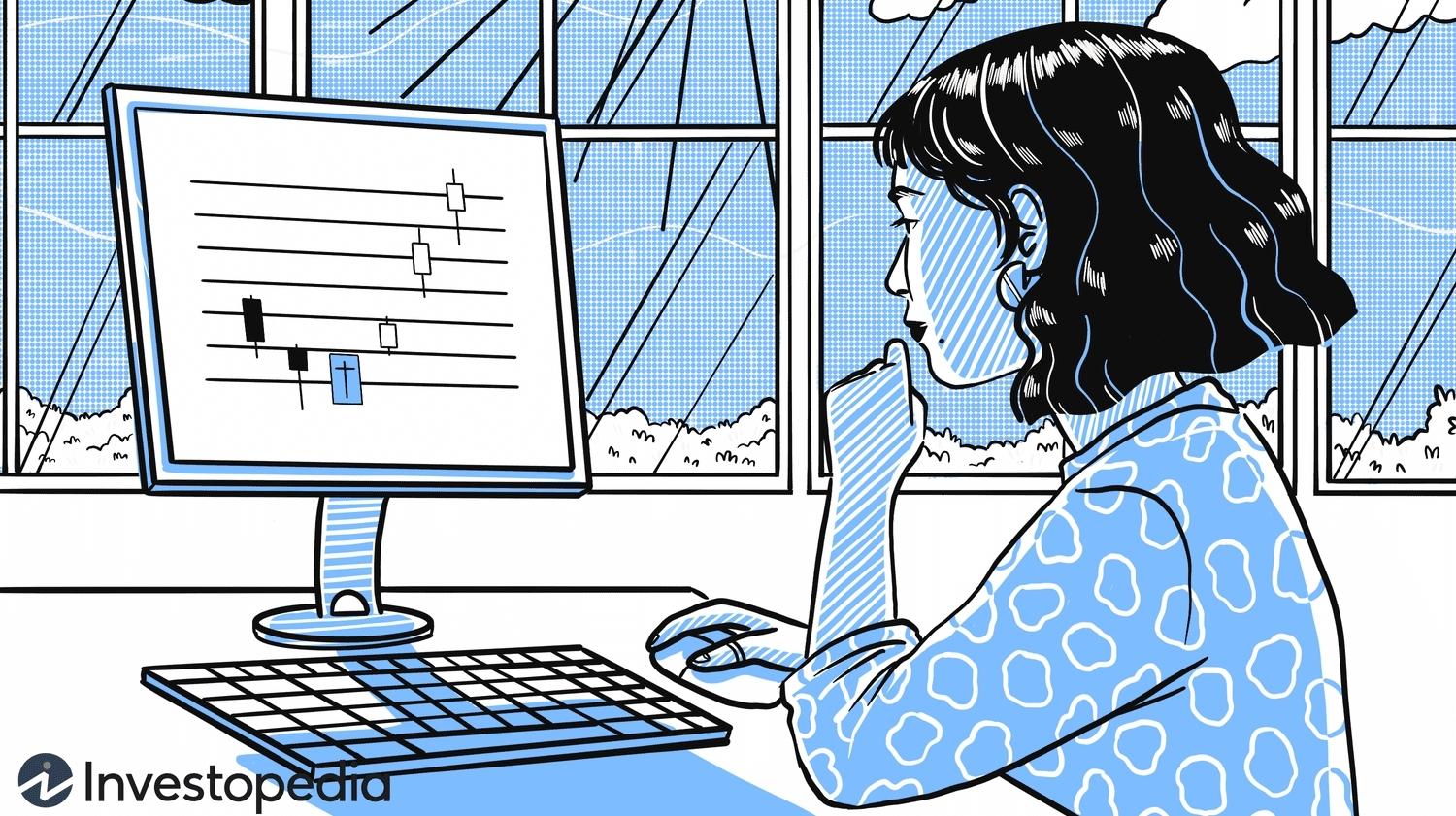
Emotions are the main reason traders fail—not strategy. The goal is not to remove emotions (that’s impossible), but to identify them early and control your response through a structured routine.
🔍 Part 1: How to Pinpoint Your Emotions
Most traders act emotionally without realizing it. You need to recognize emotional signals early.
🚨 Common Trading Emotions & How They Show Up
1. Fear
Signs:
Hesitating before entering a good trade
Closing trades too early
Avoiding trades after a loss
👉 Fear usually comes from:
Risking too much
Lack of confidence in your strategy
2. Greed
Signs:
Holding trades too long
Increasing lot size after wins
Ignoring take-profit levels
👉 Greed comes from:
Wanting more profit than your plan allows
3. Revenge Trading
Signs:
Entering trades immediately after a loss
Increasing risk to recover losses quickly
👉 This is one of the most dangerous behaviors.
4. FOMO (Fear of Missing Out)
Signs:
Entering late trades
Jumping into trades without proper setup
👉 You feel like “everyone is making money except me.”
5. Overconfidence
Signs:
Ignoring rules after a winning streak
Increasing risk too much
Thinking “I can’t lose”
👉 This often leads to big losses.
🧩 How to Detect Emotions in Real Time
Ask yourself before every trade:
Am I following my plan?
Am I trying to recover a loss?
Am I entering because I feel pressure?
Would I take this trade if I was calm?
👉 If the answer feels emotional → DON’T TRADE
🛠️ Part 2: Build a Strong Trading Routine
A routine removes emotional decisions and replaces them with structure.
⏰ Step 1: Pre-Market Routine (Before Trading)
Spend 20–30 minutes preparing:
Check news (economic events)
Mark key support/resistance levels
Identify possible trade setups
Set your mindset:
“I will only take high-quality trades”
“Losses are acceptable if I follow my plan”
👉 This reduces impulsive decisions.
📊 Step 2: Trading Routine (During Market Hours)
Rules to follow strictly:
Only trade your strategy
Only take planned setups
Use stop-loss on every trade
Do not overtrade
Limit number of trades per day
👉 If setup is not perfect → skip the trade
⏸️ Step 3: Break Rule (Critical)
After:
2–3 losses in a row
A big emotional reaction
Feeling stressed or angry
👉 Stop trading immediately.
Step away for:
10 minutes minimum
Or even the rest of the day
📝 Step 4: Post-Market Routine (Review)
After trading, ask:
Did I follow my plan?
Was I emotional during any trade?
What mistakes did I make?
What can I improve tomorrow?
Keep a trading journal:
Entry
Exit
Reason
Emotion
👉 This is how professionals improve.
🧠 Step 5: Daily Mental Reset
Avoid thinking about past trades
Do not chase losses
Accept both wins and losses equally
👉 Each day = a fresh start.
⚖️ The Golden Rule of Emotional Control
“If you feel emotional, you are not ready to trade.”
Professional traders succeed because:
They follow rules, not feelings
They think in probabilities
They accept losses calmly
🔁 Example of a Perfect Trading Routine
Morning: Analyze charts
Wait for your setup
Enter with stop-loss and take-profit
Do not move stop-loss emotionally
Close trade as planned
Journal your trade
Stop after daily target or loss limit
🧩 Final Mindset Shift
You are not trading to “win every trade”
You are trading to execute a system consistently
Your job = follow rules, not predict the market
🔑 Simple Emotional Control Formula
Awareness + Routine + Discipline = Control
Awareness → recognize emotions
Routine → structure your actions
Discipline → follow the rules every time
#StrongerTogether #PsychologyofTrading