
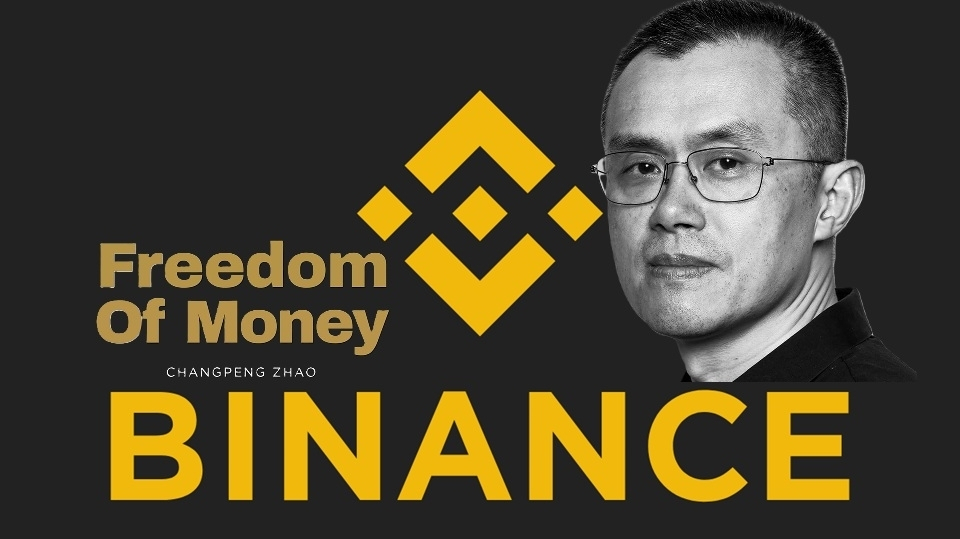
The idea of freedom of money goes beyond a hashtag — it reflects a shifting paradigm in how value moves, how people transact, and who controls financial power. At its core, it means holding, sending, or using money without intermediaries, gatekeepers, or permission from traditional financial institutions — a concept deeply tied to decentralized technologies like blockchain.
In today’s global economy, traditional money flows through banks and central authorities that can restrict access, impose fees, or even freeze accounts. Freedom‑centric financial systems aim to remove those middlemen. Cryptocurrencies and decentralized finance (DeFi) give individuals direct control over their assets and transactions, reduce reliance on centralized institutions, and open access to global markets.
This isn’t purely theoretical. Decentralized money systems offer borderless transfers, reduced censorship, and increased financial inclusion for people without access to traditional banking. For many proponents, freedom of money isn’t just about profit — it’s about autonomy, privacy, and economic self‑determination in a world still dominated by centralized financial power.
In the context of digital assets like FREEDOMOFMONEY, that same ethos takes a market shape: a token emerging within community ecosystems and decentralized exchanges, symbolizing the drive for accessible financial engagement.