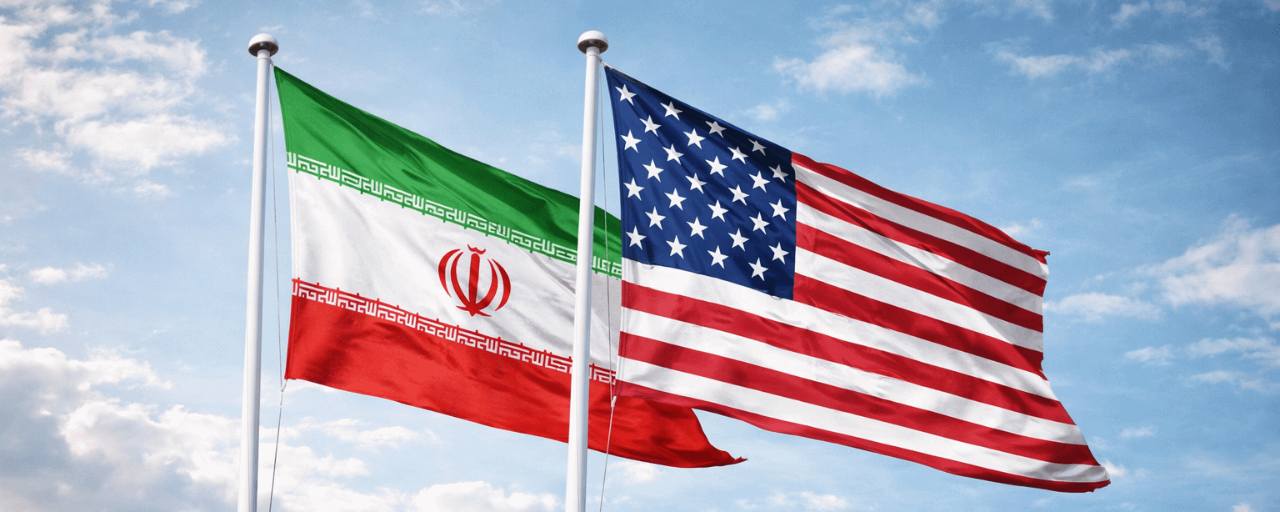
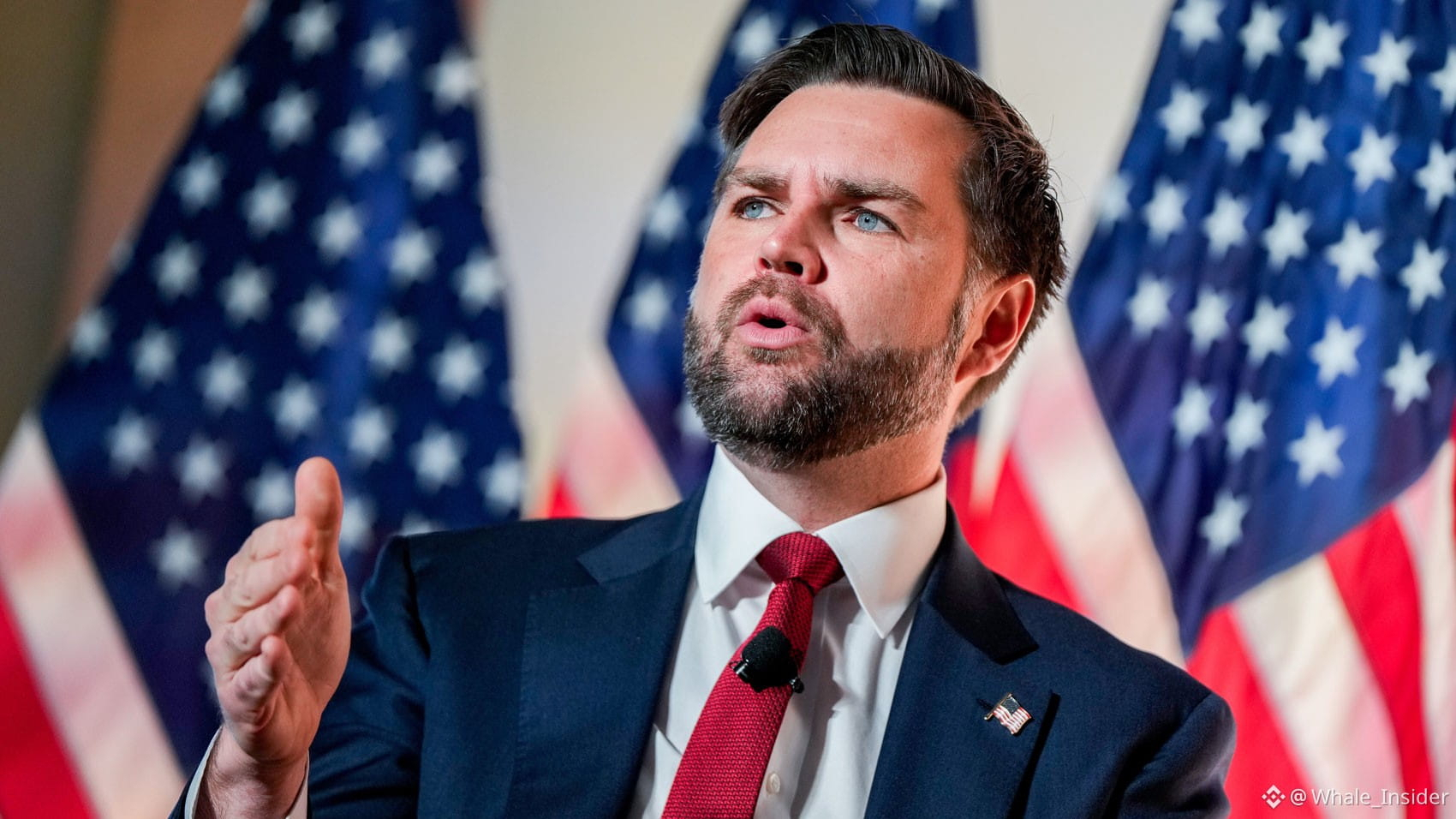
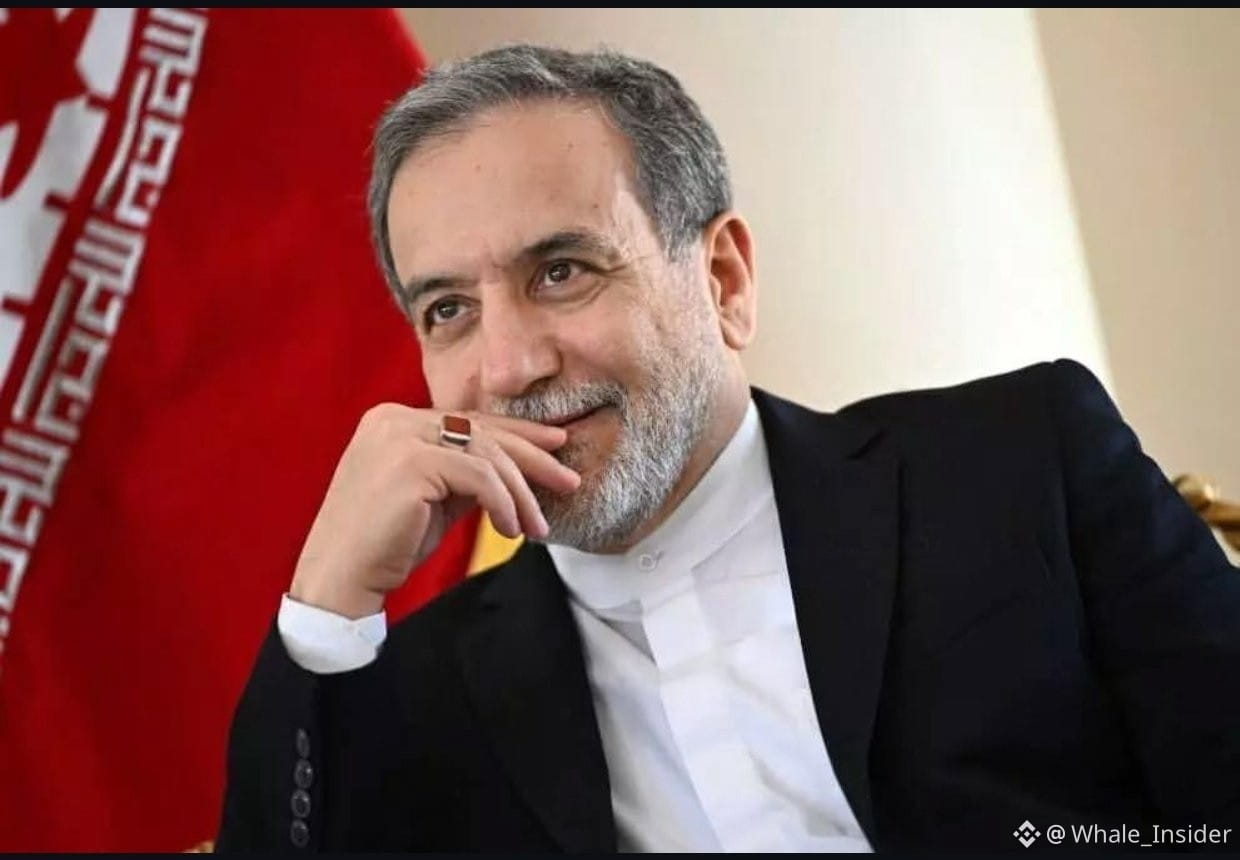
The recent negotiations between the United States and Iran once again failed to reach a final agreement, deepening the atmosphere of global uncertainty. These talks were an important attempt to ease long-standing tensions between the two countries, but the depth of disagreements made any meaningful progress impossible.
The main issues revolved around Iran’s nuclear program, the lifting of sanctions, and the balance of power in the region. Iran consistently maintained that economic sanctions must be lifted first, while the United States insisted that Iran should limit its nuclear program. This deadlock and mutual distrust became the primary reasons behind the failure of the talks.
According to political analysts, this failure is not just a diplomatic setback—it could also have serious implications for peace in the Middle East. The region is already facing instability, and the collapse of negotiations may pave the way for a larger crisis.
At the public level, the situation has increased concern, as the burden of war or further sanctions is ultimately borne by ordinary people. The international community still hopes that both nations will return to the negotiating table and move toward a sustainable solution.
Ultimately, it is becoming increasingly clear that in this power-driven struggle, peace and humanity suffer the most. Without sincere dialogue and trust, such failures may lead to even greater conflicts in the future.
#US-IranTalksFailToReachAgreement #SamAltmanSpeaksOutAfterAllegedAttack #IranClosesHormuzAgain