
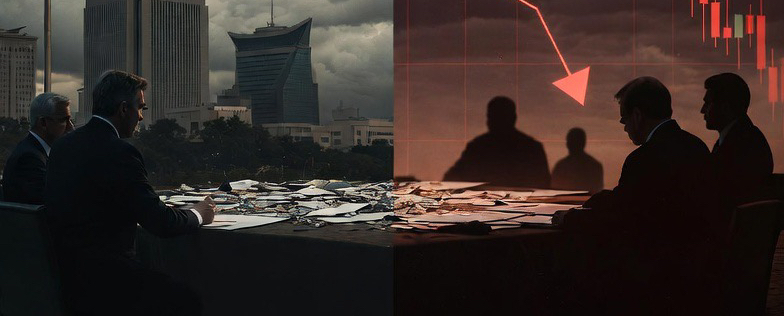
The crypto market faced fresh volatility on April 12, 2026, after high-stakes US-Iran peace talks in Islamabad, Pakistan, collapsed following a grueling 21-hour session. Vice President JD Vance and Iranian negotiators failed to reach a lasting agreement on extending the fragile ceasefire, reigniting geopolitical tensions in the Middle East.
$BTC , which had rallied toward $73,500 earlier in the weekend amid hopes of diplomatic progress, quickly reversed course. It dropped roughly 2% in the hours following the announcement, trading around $71,500–$72,000. Ethereum and other major altcoins followed suit with similar declines, as risk-off sentiment returned to global markets.
Background and Immediate Triggers
The talks aimed to build on a two-week ceasefire agreed earlier in April, which had briefly eased fears over disruptions to the Strait of Hormuz—a critical chokepoint for global oil shipments. That temporary truce had fueled optimism: oil prices fell sharply, equities rallied, and crypto gained ground as investors rotated into risk assets. Bitcoin climbed above $72,000–$73,000 during the relief phase.
However, key sticking points—including Iran’s nuclear program, control of regional assets, and the status of the Strait—prevented a breakthrough. President Trump had previously warned of severe consequences if negotiations failed, adding to the uncertainty. With the ceasefire now at risk of expiring soon, concerns over potential renewed conflict, higher energy prices, and supply chain disruptions resurfaced.
Outlook and Key Factors to Watch
• Oil and Inflation Link: Renewed fears over the Strait of Hormuz could drive crude prices higher (recently trading near $95–$100 per barrel), potentially stoking inflation and pressuring risk assets like crypto.
• Safe-Haven Dynamics: Gold and the US dollar may strengthen in the near term, diverting flows from speculative investments.
• Sentiment Drivers: Traders are closely monitoring any statements from Trump, Iranian responses, or developments involving Israel and regional actors. A quick resumption of talks could stabilize markets; escalation would likely increase volatility.
In summary, the failed US-Iran peace talks have injected short-term downside pressure on the crypto market, highlighting its sensitivity to geopolitical headlines. While Bitcoin and the sector have demonstrated resilience in 2026 amid multiple shocks, investors should brace for continued swings as the situation evolves. As always, this remains a high-risk environment—position sizing and risk management are essential.
#US-IranTalksFailToReachAgreement #freedomofmoney #HighestCPISince2022