
Stacked is changing how game rewards actually work
I have been watching how Pixels ecosystem is evolving and it really feels different now compared to early play to earn models. The introduction of Stacked changes the way rewards are distributed inside games.
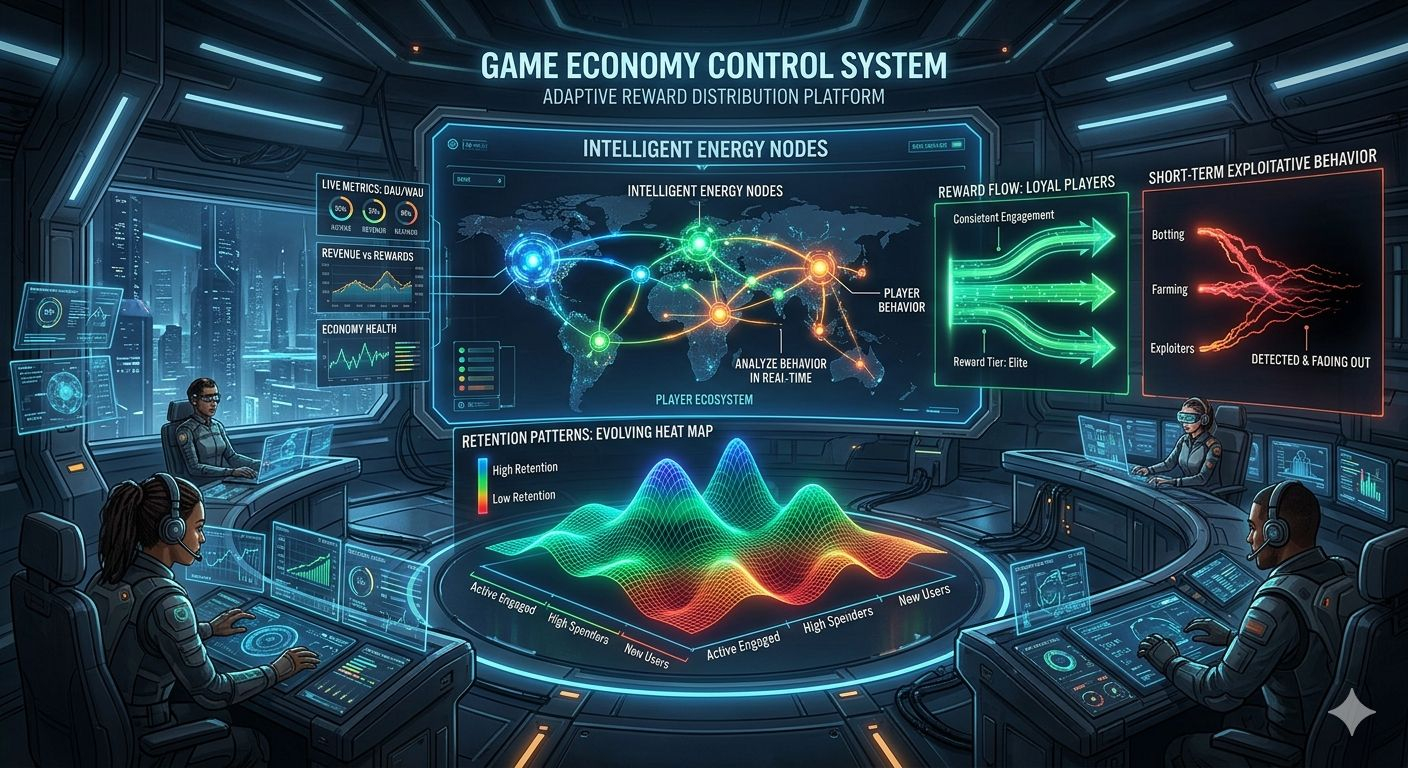
Instead of random farming style rewards, the system is moving toward smarter targeting where real engagement matters more than just activity. This feels like a shift from short term earning mindset to long term ecosystem building.
What stands out most is how rewards are becoming connected with actual player value inside the ecosystem. It feels more structured and sustainable for both players and developers.
---
Why Stacked is not just another play to earn system but real infrastructure
When I look at Stacked from the Pixels ecosystem, it does not feel like another typical Web3 reward experiment. It feels more like infrastructure that is trying to fix the core issues that broke most play to earn systems in the past.
The biggest problem in old models was simple. Players joined only to extract value and leave immediately. That created inflation pressure and weak long term engagement. Pixels already experienced this phase and that is why Stacked feels like a correction rather than an upgrade.
Now the focus is shifting toward smarter reward distribution. Instead of rewarding everyone equally or randomly, the system is trying to understand which players actually bring long term value. This includes retention behavior, engagement quality and how players interact with the ecosystem over time.
What makes this interesting is that rewards are no longer just incentives. They are becoming tools for shaping behavior inside the game economy. This is a big shift because it connects gameplay with economic sustainability in a more controlled way.
Another important angle is how this system connects multiple games and experiences under one ecosystem. It is not limited to a single game loop anymore. It feels like a network where data and rewards flow across different experiences, creating a larger economy rather than isolated games.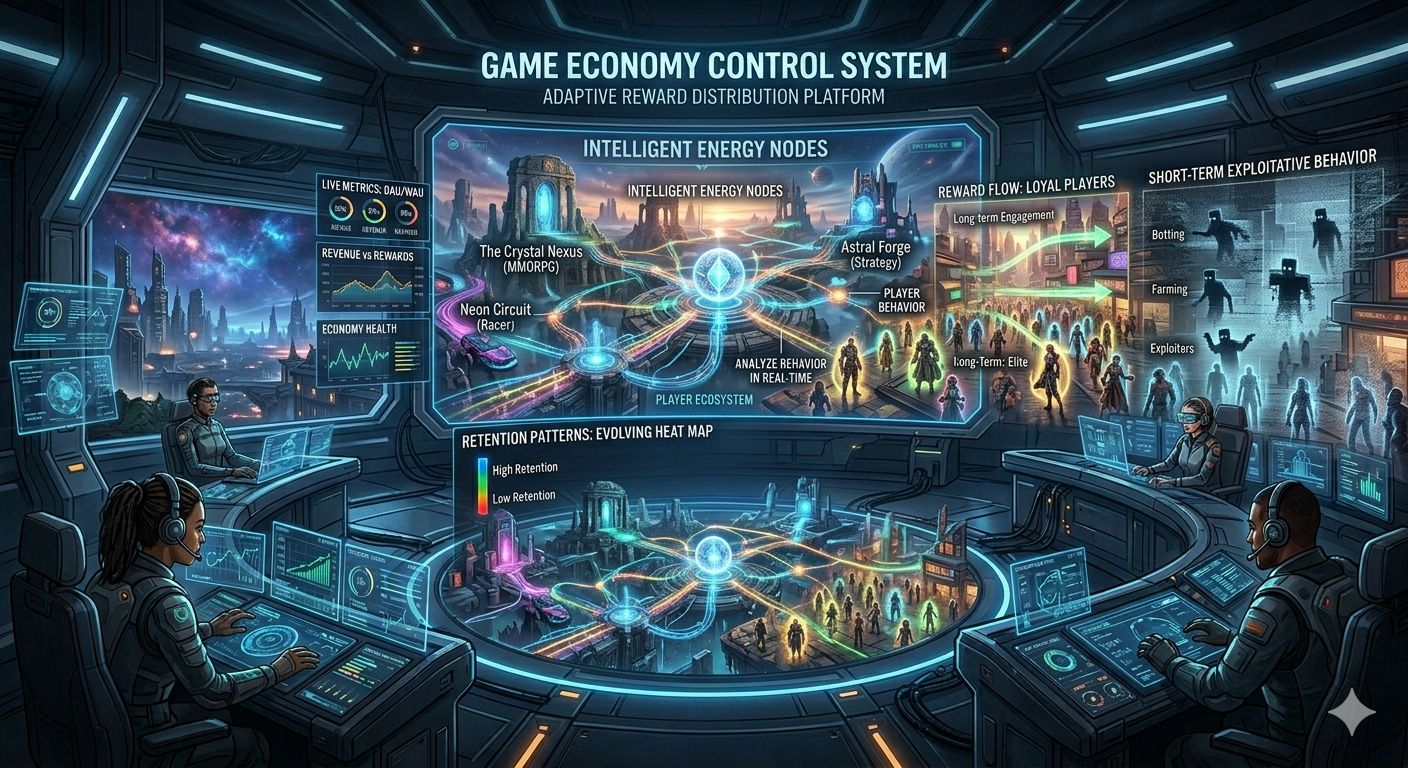
From my perspective, this is where Pixels is trying to position itself differently. Not just as a game but as a reward driven gaming infrastructure that learns and adapts over time. If this model continues to improve, it could redefine how Web3 gaming economies are designed in the future.