
# Pixel Crypto: The Intersection of Blockchain and Digital Worlds
## Introduction
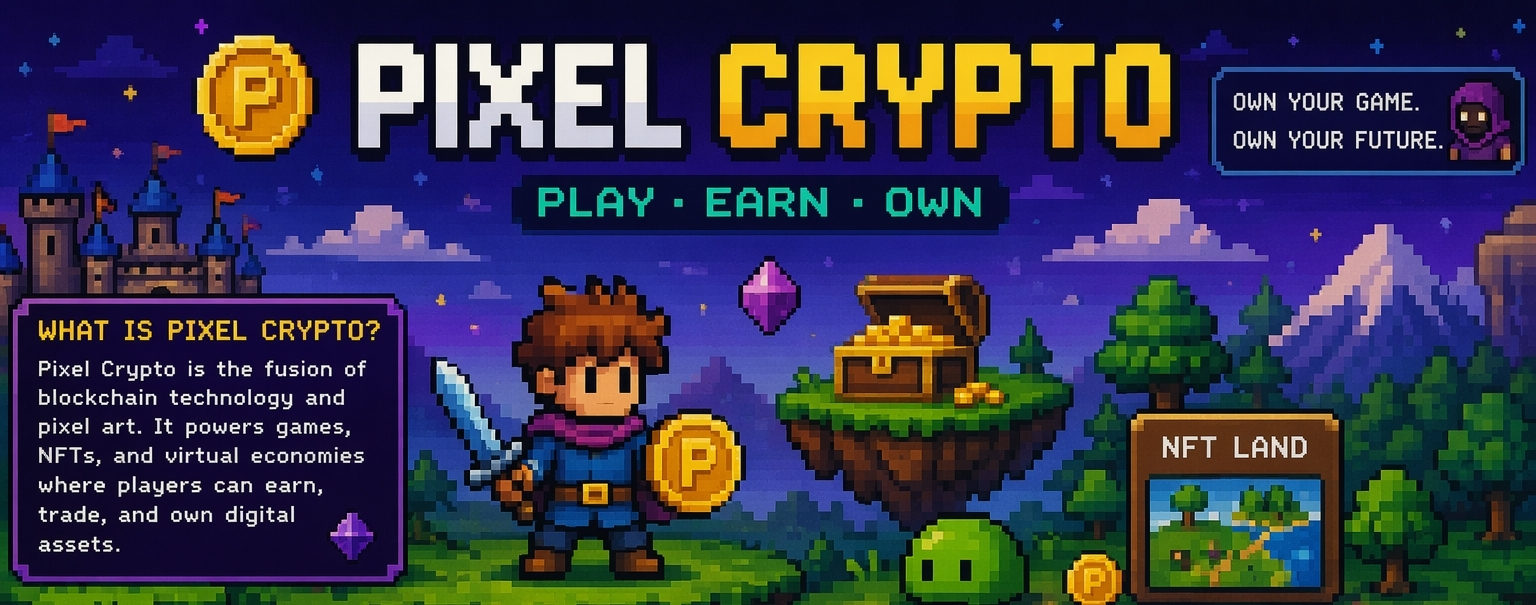
The rise of cryptocurrency has transformed how people think about money, ownership, and digital interaction. Among the many innovations in this space, “Pixel Crypto” represents a fascinating blend of blockchain technology, gaming, and digital art. It refers broadly to crypto-based ecosystems where pixel-style graphics—often nostalgic and minimalist—power decentralized games, NFTs, and virtual economies.
## What Is Pixel Crypto?
Pixel crypto is not a single currency but a category of blockchain projects that use pixel art aesthetics as a core part of their identity. These projects often combine:
* **Cryptocurrencies or tokens** for transactions
* **NFTs (non-fungible tokens)** representing characters, land, or items
* **Play-to-earn mechanics** that reward users for participation
The pixel style, reminiscent of early video games, is intentional—it is lightweight, universally recognizable, and deeply tied to gaming culture.
## The Role of Blockchain
Blockchain technology is what gives pixel crypto real value and utility. Unlike traditional games where assets are owned by the developer, blockchain enables:
* **True ownership** of in-game assets
* **Decentralized marketplaces** for trading items
* **Transparency** in transactions and scarcity
Players can buy, sell, or trade their pixelated assets securely, often across platforms.
## Pixel Crypto in Gaming
One of the biggest drivers of pixel crypto is blockchain gaming. These games allow players to earn tokens while playing, creating real-world financial incentives. Common features include:
* Farming or resource collection
* Crafting and upgrading items
* Owning virtual land
* Competing in battles or quests
Because assets are tokenized, players can monetize their time and effort—something not possible in traditional gaming ecosystems.
## NFTs and Digital Art
Pixel art NFTs have become especially popular due to their simplicity and nostalgic appeal. Collections of pixel characters or avatars are often:
* Limited in supply
* Randomly generated with unique traits
* Traded on NFT marketplaces
These assets can gain value based on rarity, demand, and community engagement.
## Advantages of Pixel Crypto
* **Accessibility:** Pixel graphics require less computing power, making them widely accessible
* **Strong community appeal:** Nostalgia attracts both gamers and collectors
* **Interoperability potential:** Assets may be usable across multiple platforms
* **Ownership economy:** Users control their digital assets
## Challenges and Risks
Despite its promise, pixel crypto faces several issues:
* **Market volatility:** Token values can fluctuate dramatically
* **Regulatory uncertainty:** Governments are still defining rules for crypto assets
* **Sustainability concerns:** Some play-to-earn models struggle to maintain long-term value
* **Scams and low-quality projects:** The space can be crowded with unreliable offerings
## The Future of Pixel Crypto
As blockchain technology matures, pixel crypto projects are likely to evolve into more complex virtual worlds, often referred to as the metaverse. Improvements in scalability, user experience, and regulation could make these ecosystems more stable and mainstream.
The charm of pixel art combined with the power of decentralized ownership creates a unique niche—one that bridges the past of gaming with the future of digital economies.
## Conclusion
Pixel crypto is more than just a trend; it represents a shift in how digital content is created, owned, and monetized. By combining simple visual design with advanced blockchain infrastructure, it opens new opportunities for gamers, artists, and investors alike. While challenges remain, the continued growth of this space suggests it will play a meaningful role in the broader crypto ecosystem.
