
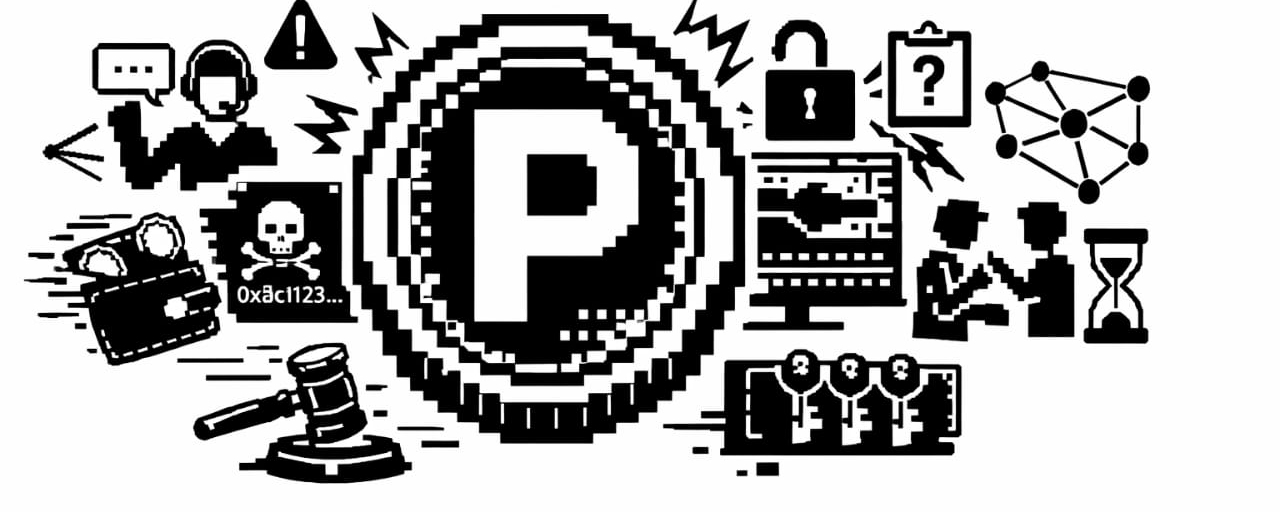
@Pixels A key gets exposed and suddenly every part of a pixel token project starts moving at a different speed. Wallets move fast. Messages move badly. Moderators try to sound calm before they know enough. Someone posts a contract address too early. Someone else deletes a message that probably should have stayed up. By the time the team says the situation is contained, the system has already shown you what it depends on when things stop being normal.
I used to think compromised-key recovery was mostly a test of technical readiness. Clean signer rotation, emergency permissions, treasury separation, maybe a pause switch if the design allows it. That still matters. Obviously. But after watching enough of these incidents, the technical part almost looks like the easy part, or maybe not easy exactly, just narrower than people pretend. The harder problem is whether anyone can tell the difference between legitimate intervention and a second layer of chaos wearing official language.
That gets sharper in pixel token projects because the whole thing often looks lighter from the outside than it really is. Bright branding, game logic, small-denomination assets, a community used to movement. It can make the trust model feel casual even when it is not casual at all. Then a compromised key hits and people stop treating the token like a game unit or a social object. They start reading it as a live measure of operator control. Every wallet action becomes a signal. Sometimes a false one, but that barely matters in the moment.
And recovery has this unpleasant way of widening the original problem. A team rushes to move funds. Good. They revoke roles. Good again. Maybe they coordinate with marketplaces or ask users to ignore one address and follow another. Fine. But if those steps depend on a handful of people acting through powers the community never really understood in the first place, the project is not just recovering. It is exposing its unwritten constitution. That is usually the part that lingers.
I do not mean that teams should slow down and write essays while assets are at risk. That would be absurd. In a real incident, speed beats elegance. Still, there is a difference between emergency action and improvised authority. Users can feel it. They may not phrase it cleanly, but they can feel when a recovery path was prepared in advance and when a project is discovering, in public, who actually has the keys to the keys.
What changed for me is that I no longer see compromised-key recovery as a narrow security episode. It is closer to a forced audit of coordination. Who can verify the rescuers. Who can confirm the new wallet without relying on the same broken trust path. Whether the project has a way to reduce dependency after the incident instead of just reassembling it with better wording and a fresh multisig.
Maybe some of this sounds unfair. Incidents are messy. People act with partial information. Good teams can look clumsy for a few hours because the situation itself is clumsy. Still, when I watch a pixel token project recover from compromised keys, I pay less attention to the patch and more to the shape of authority that appears around it. That shape is usually there long before the exploit. The incident just makes it impossible not to look at it.
$PIXEL #PIXEL. #pixel.