
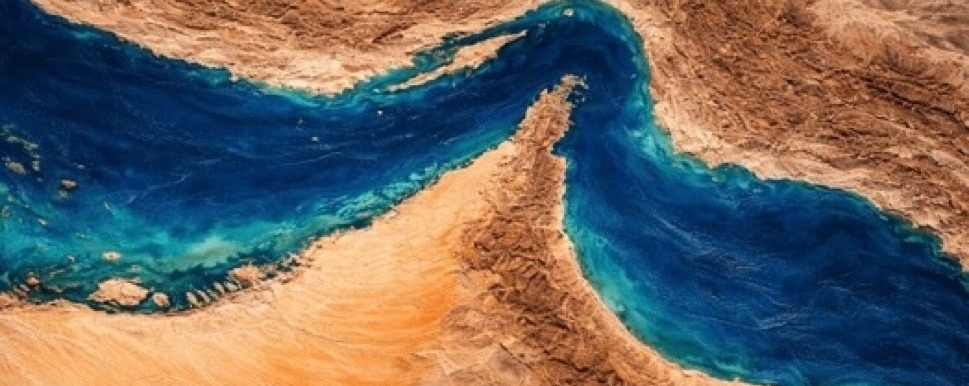
geopolitical and economic implications of Iran's decision to reopen the Strait of Hormuz.
Key takeaways include:
Oil Market Impact: Following the announcement to fully reopen the strait, global oil prices experienced a sharp decline, dropping from roughly $120 per barrel during the peak of tensions to around $83 .
Iran's Strategic Position: The narrator argues that Iran has emerged as a significant power player, effectively holding control over the global economy and oil markets .
Diplomatic Developments: agreement involving a $20 billion package (unfreezing Iranian funds) in exchange for restrictions on uranium enrichment, with international mediation from countries like Pakistan, Egypt, and Turkey.
Shift in Power Dynamics: The host claims this development signals a failure of past US and Israeli objectives to destabilize Iran, suggesting instead that the current situation represents a major victory for Iran and its allies, including China and Russia
Global Economic Outlook: The reopening is viewed as a move toward a ceasefire and potential economic normalization, with the expectation that international trade with countries like France, Spain, Italy, and India will resume
Despite the positive short-term market reaction, remains skeptical about the long-term stance of Israel and the future influence of the United States in the region

BTCUSDT
Perp
77,113.7
+3.18%

ETH
2,415.99
+3.75%

SIGN
0.01949
-3.75%